

















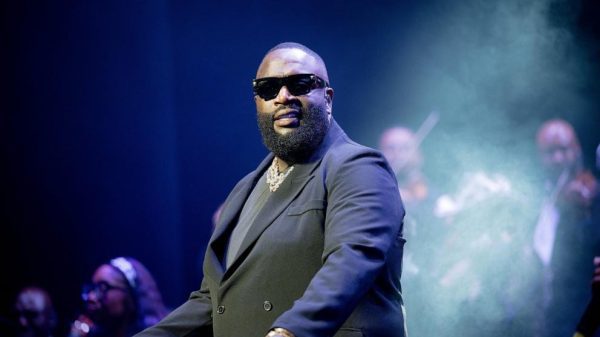









Nigerian music sensation Asake, widely known as Mr. Money, has found himself at the center of a social media storm following the release of his latest album, M$NEY. While fans were eager to dive into the new project, a specific line in the track titled ‘Amen’ has sparked a heated debate, with many listeners interpreting it as an endorsement of President Bola Tinubu.
In the song, Asake reflects on the concept of manifestation and the power behind one’s words. The controversy stems from a lyric where he references the President’s famous “Emi Lokan” catchphrase and his subsequent victory in the 2023 elections. The line, “Presido sope emi lokan, e dey win election,” quickly went viral, drawing sharp criticism from those who feel such a reference is insensitive given the current economic climate and the rising cost of living in the country.
The backlash on platforms like X has been swift and vocal. Many users expressed a sense of betrayal, arguing that it is the same struggling Nigerians who fuel the streaming numbers of these global stars. Some listeners went as far as threatening to boycott the artist entirely, claiming that praising political figures during a period of widespread public frustration is a misstep that could hurt the album’s overall reception.
The reactions are not entirely one-sided. A segment of the fanbase has jumped to Asake’s defense, suggesting that the lyrics are being taken out of context. These supporters argue that the singer was merely using a well-known public event as a metaphor for the strength of one’s declarations rather than offering a political campaign or a formal praise song. They maintain that listeners are being overly emotional and that a mention does not always equate to an endorsement.
The M$NEY album, which features 13 tracks, was released this Friday and has already dominated online conversations. However, the discussion regarding the ‘Amen’ track continues to overshadow other parts of the project. Whether this controversy will impact Asake’s long-term standing with his local audience remains to be seen, but it highlights the increasingly thin line Nigerian artists must walk when referencing politics in their music.







