
































The Nigerian telecommunications landscape is entering a high-stakes period of restructuring as the Nigerian Communications Commission (NCC) steps up its demands for mobile operators to inject fresh capital into their networks. Despite a multi-billion-dollar investment cycle already underway, regulatory authorities are concerned that the current pace of infrastructure development is failing to keep up with the explosive surge in data demand and persistent service gaps across the country.
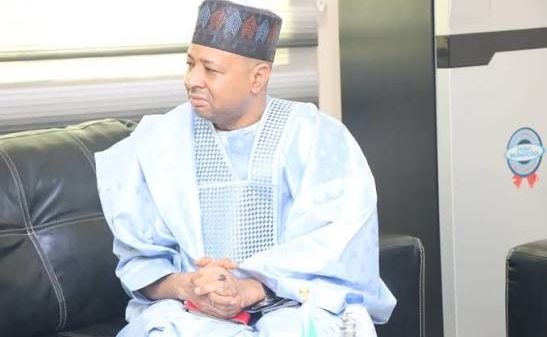
During a recent engagement with the media in Lagos, the Executive Vice Chairman of the NCC, Aminu Maida, made it clear that existing capital expenditure plans may no longer be enough. While acknowledging that some improvements have been recorded, Maida stressed that the gains are not yet sufficient to match the scale of growth in user demand. He noted that for consumers to feel a real difference, particularly in congested urban areas, operators must commit to expanding capacity far beyond their previous targets.
This shift in regulatory tone marks a move from merely monitoring service metrics to actively influencing how companies allocate their wealth. Nigeria’s primary providers—MTN, Airtel, and Globacom—are currently navigating different stages of this infrastructure build-out. Information gathered by Zoyols News shows that MTN Nigeria has taken a massive leap, disclosing a network-related spend of roughly N1tn for 2025, a figure that doubles its previous year’s commitment. This funding is being funneled into 4G expansion, urban densification, and the strengthening of fiber backhaul to support the heavy data consumption seen today.
Airtel Nigeria is similarly ramping up its efforts. After a period of more conservative spending, the company has outlined plans to invest over N500bn in 2025. This capital is earmarked for a broader 5G rollout and a more aggressive fiber and rural site deployment. On the other hand, Globacom continues to strengthen its position through its Glo-1 submarine cable and its extensive tower portfolio. While the company does not typically release granular financial breakdowns, industry experts suggest its capital deployment remains steady, focusing on backbone upgrades that link Nigeria to international hubs.
The challenge, however, remains structural. Regulators point out that every time capacity is added, it is almost immediately swallowed by the accelerating consumption of video streaming, social media, and cloud-based apps. Maida suggested that the industry must move away from reactive expansion—building only what is needed for today—and instead focus on creating surplus capacity. To support this, the NCC has reallocated spectrum to free up more bandwidth, but officials admit that without deeper fiber penetration, mobile networks will continue to struggle under the weight of current demand.
Compounding these technical hurdles is a difficult economic climate. Telecom operators are heavily reliant on equipment imported from global suppliers like Nokia and Ericsson, leaving them exposed to foreign exchange volatility. The depreciation of the currency has made expanding these networks more expensive and planning for the long term more complex. To ensure that announced budgets actually translate into physical infrastructure, the NCC is tightening its enforcement through independent audits and more localized quality monitoring.
Ultimately, the demand for fresh capital signals a new phase of reform for the sector. It is no longer just about competition; it is about enforced infrastructure deepening. While the investment momentum is undeniable, the gap between what the networks can handle and what the public demands remains a work in progress. For the average user, the hope is that this new wave of multi-trillion naira investments will finally bridge that divide and deliver a truly reliable digital experience.







