


































The Nigerian fashion landscape continues to attract attention, even as industry stakeholders debate its real level of progress. Nigeria’s fashion sector is currently operating below its potential, according to business executive and fashion entrepreneur Zara Eniola Oladega. She recently shared her concerns about the industry’s contribution to the country’s economy, saying it remains far from where it should be despite the creativity and energy within the sector. Her comments were shared during a media conversation reported by Zoyols Blog.
Oladega explained that while official figures place the fashion industry’s contribution to Nigeria’s Gross Domestic Product at about $6.1 million, the number feels more like a reflection of untapped opportunity rather than real success. She argued that with a population exceeding 200 million people and a youthful, fashion-conscious market, Nigeria should realistically be recording much stronger economic returns from fashion production, design, and exports. According to her, celebrating such figures would ignore the larger global competition where fashion is a powerful economic driver.
She compared Nigeria’s situation with other African nations that have successfully structured their fashion sectors. Countries such as South Africa and Kenya have built stronger textile and fashion export systems, helping them generate sustainable revenue and create employment opportunities. In her view, Nigeria already has creativity, culture, and market demand. The real challenge, however, lies in building systems that can convert talent into measurable economic value. She believes stronger infrastructure, supportive policies, and investment in local manufacturing could help transform the industry into a stronger export-driven sector.
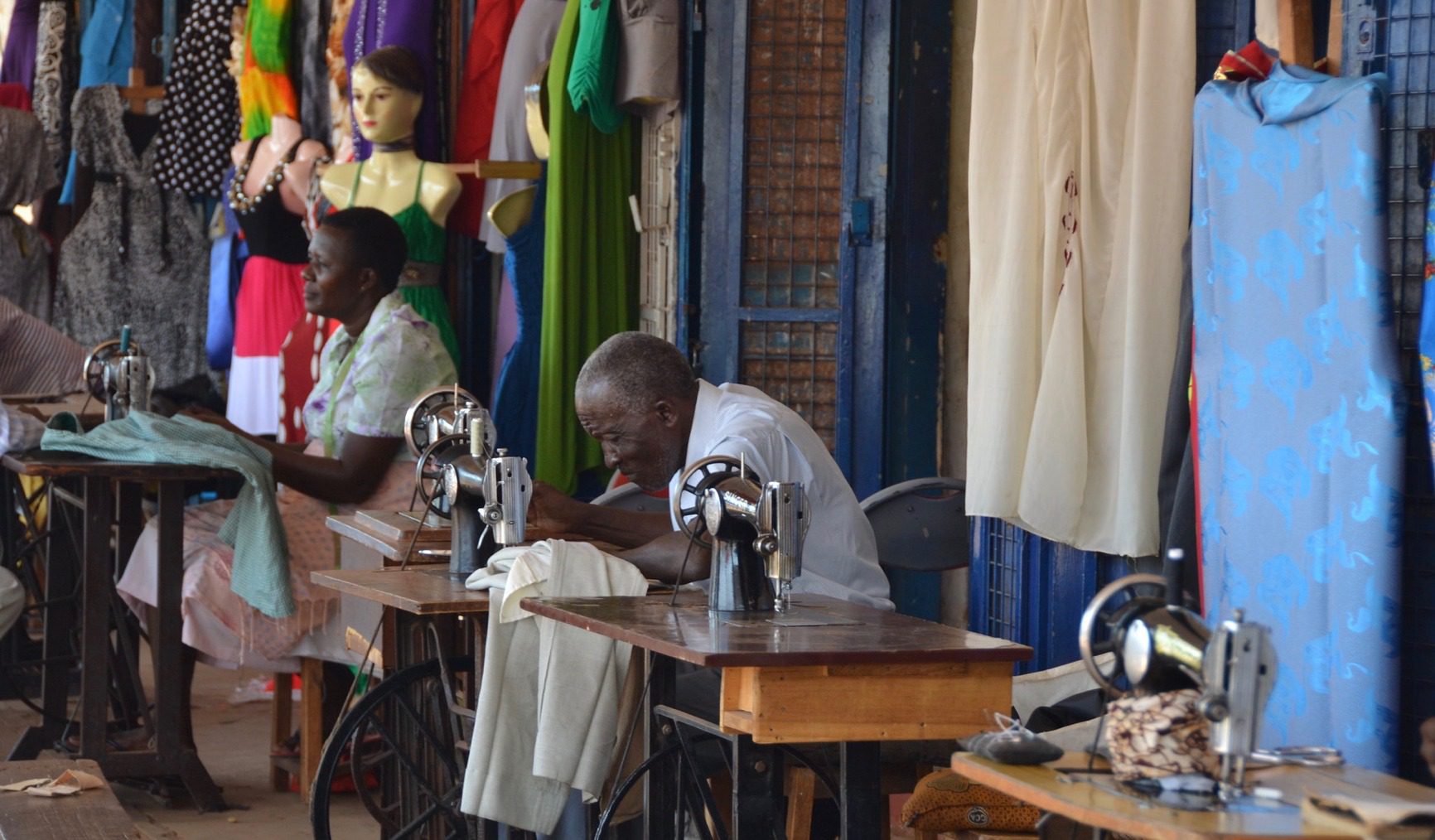
Drawing from her personal experience as a designer with more than five years in the industry, Oladega said Nigerian youths are highly talented but often face structural challenges. One major problem she highlighted is the weak state of local textile manufacturing. She explained that strengthening fabric production locally would create opportunities across multiple sectors, including agriculture, manufacturing, and fashion design, while also reducing dependence on imported materials that increase production costs for local brands.
Despite these challenges, she remains hopeful about the future of Nigerian fashion. She described fashion as both cultural expression and serious business capable of creating financial independence for young people. She encouraged more celebrities and public figures to support local designers by promoting homegrown brands rather than focusing mainly on international labels. She also called for more government and private sector support through grants, training programmes, and marketing platforms that can help young designers compete globally.
Oladega concluded by stressing that Nigerian fashion is not yet fully thriving but is surviving with strong creative energy. She shared that learning tailoring changed her life and helped her achieve financial independence early. She encouraged young Nigerians to acquire practical skills, emphasizing that fashion and creative industries offer endless opportunities for economic growth if given proper support and investment.