

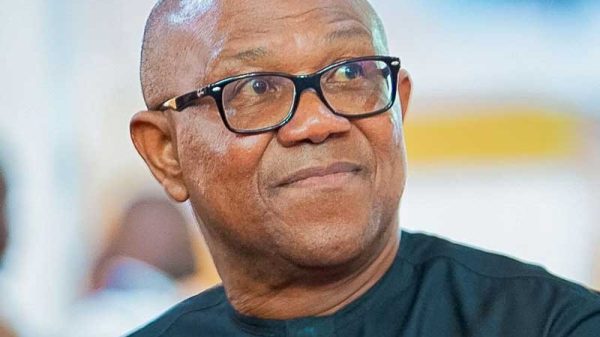





























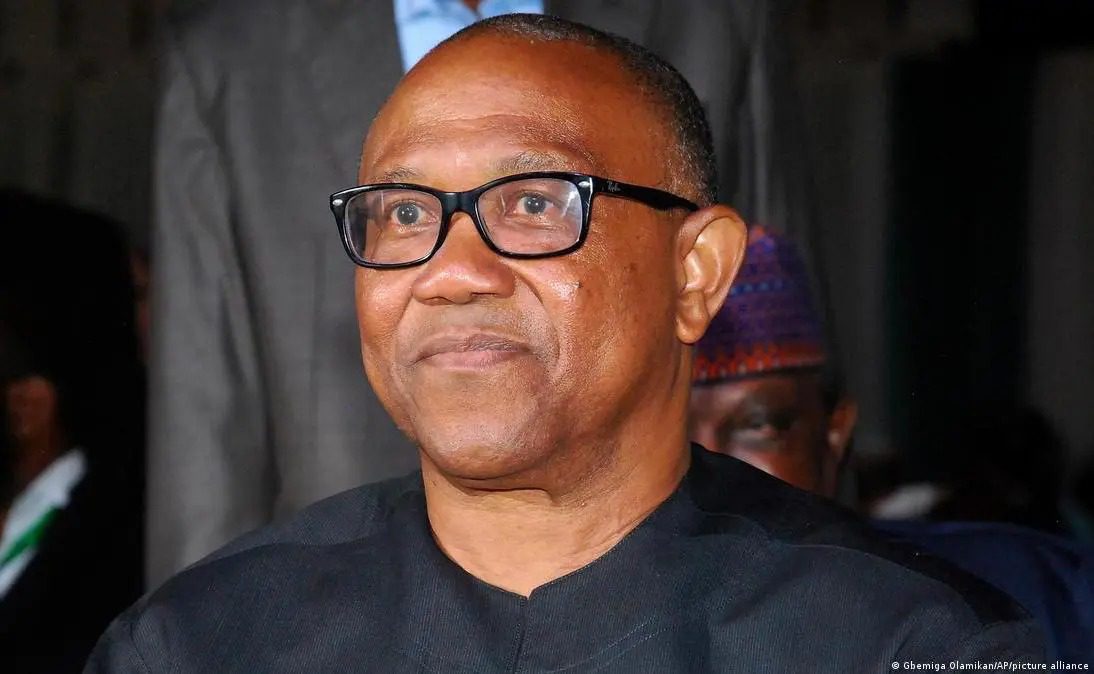
The political landscape shifted significantly on Sunday as Peter Obi, the former presidential candidate whose movement redefined the previous election cycle, announced his formal departure from the African Democratic Congress (ADC). In an expansive and deeply personal statement shared via his verified social media account, Obi clarified that his exit was not born of personal animosity but rather a reaction to the persistent internal friction currently plaguing the party.
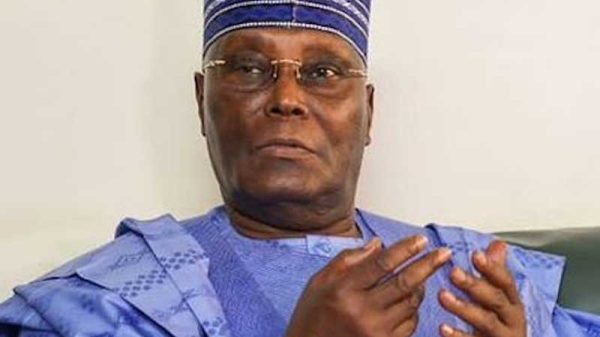
While he stopped short of announcing his next political destination, Obi spoke candidly about the motivations behind his move. He took care to note that his relationship with party leadership remains intact, specifically mentioning his respect for Senator David Mark and his continued regard for figures like Alhaji Atiku Abubakar. For Obi, the issue isn’t the individuals involved, but a systemic pattern of disruption that seems to follow his political journey.
Obi expressed a growing frustration with the way external state actors have allegedly infiltrated the ADC. He drew a direct parallel to his time with the Labour Party, suggesting that the same forces of hostility and legal warfare that forced him out of his previous home are now manifesting within the ADC. He lamented that instead of addressing the country’s pressing national crises, the party’s energy was being drained by internal power struggles, court cases, and a culture of exclusion.
There was a palpable sense of exhaustion in his words as he described the feeling of being treated like an outsider despite his sincere contributions. He noted that even when he chooses to step away to allow others peace, his character is often maligned and his intentions questioned. Obi questioned why integrity, the prudent management of resources, and a commitment to the rule of law are so often viewed as weaknesses or “stinginess” within the Nigerian political context.
Addressing the long-standing rumors regarding his future, Obi emphasized that his drive is not fueled by a hunger for high office. He stated firmly that he is not desperate for the presidency or any other title. Instead, his desperation is rooted in the plight of the average Nigerian. He spoke of a desire to see a country where mothers don’t have to mourn children lost to insecurity, where citizens are no longer confined to IDP camps, and where no Nigerian has to go to bed hungry.
Despite the setbacks and the “cold” of political independence, Obi’s message remained one of cautious optimism. He maintained his belief that Nigeria can be transformed through competent leadership built on the foundations of justice and compassion. As the road to 2027 begins to take shape, his next move remains the most anticipated question in the country’s political discourse.