




































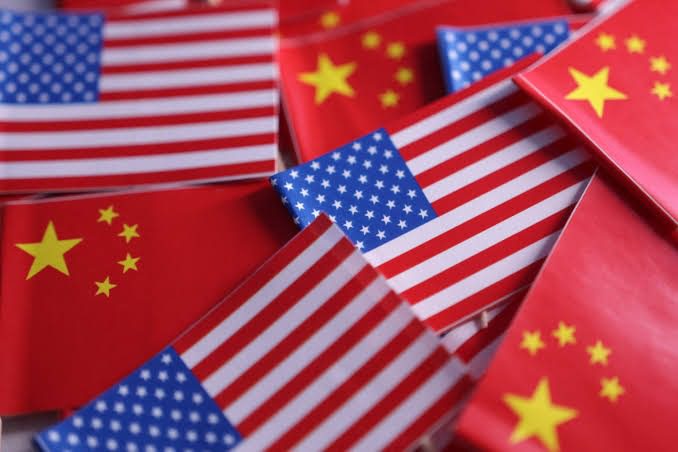
Trade tensions between Washington and Beijing have deepened following a decisive move by the United States to block imports from three prominent Chinese genomics firms over allegations of complicity in human rights abuses.
Officials at the Department of Homeland Security announced on Wednesday that BGI Genomics, MGI Tech, and Shenzhen BGI Technology—collectively recognized as the BGI Group—have been placed on the Uyghur Forced Labor Prevention Act Entity List. This designation targets organizations accused of partnering with regional authorities in Xinjiang to facilitate the forced labor or relocation of Uyghurs, Kazakhs, Kyrgyz, and other vulnerable minority groups.
International concerns have long surrounded the Xinjiang territory. Back in 2022, the United Nations cautioned that widespread actions against more than a million Uyghurs and Muslim minorities in the area could amount to crimes against humanity. American authorities maintain that the newly restricted firms actively gathered genetic material utilized to monitor these populations, many of whom were subjected to involuntary labor arrangements.
Predictably, the decision drew a swift and sharp rebuke from Beijing. A spokesperson for the Chinese commerce ministry issued a statement on Thursday expressing strong condemnation of the ban, dismissing the allegations as entirely baseless. The ministry accused Washington of weaponizing human rights concerns as a smoke screen to advance unilateral protectionism and economic bullying, while demanding an immediate halt to political manipulation and smear campaigns. Beijing further warned that it would take all necessary steps to protect its national interests.
Defending the administration’s stance, Homeland Security Secretary Markwayne Mullin emphasized that the American market should remain closed to entities linked to forced labor and the surveillance of marginalized communities. Representatives for BGI and MGI have strongly denied the claims, maintaining that both companies strictly oppose any form of forced labor.
This trade action arrives closely on the heels of new regulatory proposals introduced last week aimed at curbing investments in Chinese biotechnology ventures. Biotechnology now joins advanced fields like artificial intelligence and semiconductor manufacturing as a primary battleground in the broader economic rivalry playing out between the two global superpowers.







