







































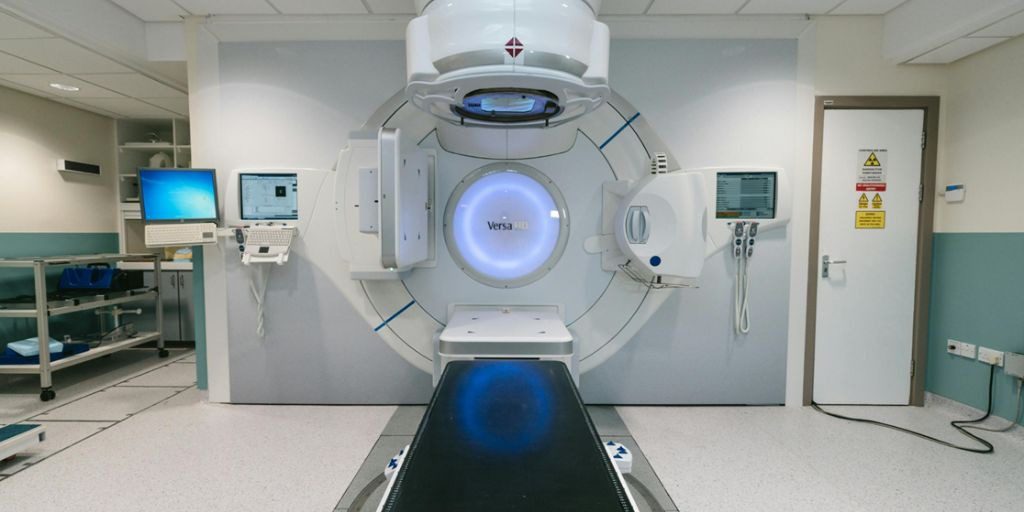
Modern medical technology has delivered remarkable advances in treating cancer, yet it also carries risks that can complicate care for patients. When doctors place too much faith in machines and test results, they sometimes overlook simple but essential steps like physical checks and listening carefully to a patient’s story. This over-reliance can lead to wrong diagnoses, unnecessary worry, and extra expenses that many families struggle to meet.
Data stored in electronic health records is another growing concern. As more medical information moves online, the chance of sensitive details falling into the wrong hands increases. A single breach can expose patients to identity theft and fraud, leaving them to deal with the long-term consequences long after the initial treatment.
Perhaps the biggest loss is the human touch. Cancer care depends heavily on trust and hope, which are often built during face-to-face conversations between doctor and patient. When technology takes over these interactions, patients can feel isolated and less supported, slowing down their emotional and physical recovery.
Cost remains a major barrier too. While new tools can make some treatments more efficient, they also push prices higher. Many people in low-income communities are left behind, unable to access the very technologies meant to help them. For those who have suffered from these shortcomings, seeking proper legal advice may be necessary to explore compensation options.







