





























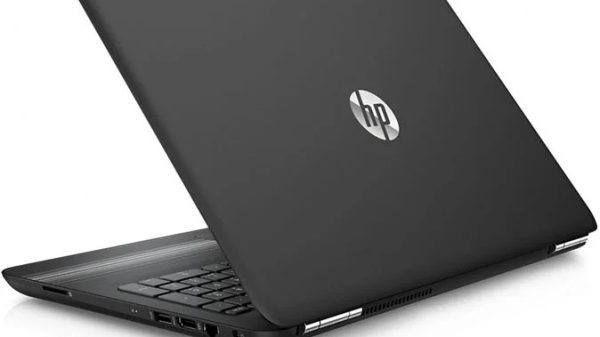









For many Nigerians, a laptop has evolved from a luxury item into a fundamental necessity. Whether it is a student preparing for a new academic session, an entrepreneur managing a growing digital business, or a professional navigating the shift toward remote work, these devices have become the backbone of daily productivity and learning. Yet, acquiring one is about to become a much steeper financial challenge.
The local market is already under immense pressure, with Nigerians grappling with the weakened Naira, persistent inflation, and the daunting costs associated with foreign exchange and international shipping. Now, an additional hurdle has emerged: a global shortage of memory chips. Because these components are essential to both laptops and desktops, their scarcity is driving up manufacturing costs worldwide. This development arrives just as the global personal computer market experiences its first decline in over two years, signaling that countries like Nigeria—which rely heavily on imported hardware—may face an even tighter supply and higher price tags.
Data released by industry trackers highlights a 4.9 percent year-on-year drop in global shipments during the second quarter of 2026, marking the end of nine straight quarters of growth. This dip is not necessarily due to a lack of consumer interest, but rather to severe production bottlenecks caused by the memory chip crunch. As a result, manufacturers are shifting higher production costs onto the consumer, leading to an unusual trend where shipping volumes fall while total revenue continues to climb. Experts suggest this supply constraint is not expected to ease anytime soon, meaning vendors are already bracing for further price hikes.
Because Nigeria imports nearly every laptop sold within its borders—be it a Dell, HP, Lenovo, or Apple MacBook—the country is highly sensitive to these global disruptions. Even before this current report, prices had already soared due to currency volatility and increased freight charges. Market checks confirm that entry-level laptops now frequently retail between N350,000 and N610,000, while mid-range models can easily exceed N950,000. Premium hardware and high-end gaming machines have reached even more staggering price points, sometimes surpassing N2 million.
This escalating cost structure poses a significant threat to various sectors of the Nigerian economy. For students, the rising expense of hardware risks widening the digital divide, as universities continue to shift toward virtual lectures, online research, and computer-based testing. Families already stretched thin by the cost of living may find it nearly impossible to equip their children for higher education. Meanwhile, startups and small businesses, which rely on these tools for everything from marketing to software development, may be forced to delay essential upgrades or continue operating with outdated equipment that hinders their overall efficiency.
The situation also raises alarms about future availability. Experts warn that as manufacturers prioritize larger, more profitable markets, countries that are overly dependent on imports may see fewer product options and significant delivery delays. While the demand for high-performance computers remains robust—pushed by the rise of artificial intelligence and digital transformation—supply chain pressures show little sign of relenting.
This recurring vulnerability serves as a stark wake-up call regarding Nigeria’s reliance on foreign technology. Stakeholders have long argued that investing in local assembly and domestic hardware manufacturing could act as a buffer against these global shocks. While local production wouldn’t immediately solve the chip shortage, it could help stabilize prices, improve product accessibility, and ultimately build a more resilient digital economy. Until such structural changes take root, however, Nigerian consumers will likely continue to face an upward trend in prices, turning the simple act of purchasing a computer into an increasingly difficult economic hurdle.