



























The local currency maintained a steady footing against the United States dollar on Thursday, July 23, 2026, holding firm across both official banking channels and the informal parallel market. Financial data monitored by Reports shows that the naira continued to trade within a predictable band, offering a brief sense of calm for market participants navigating Nigeria’s evolving foreign exchange landscape.
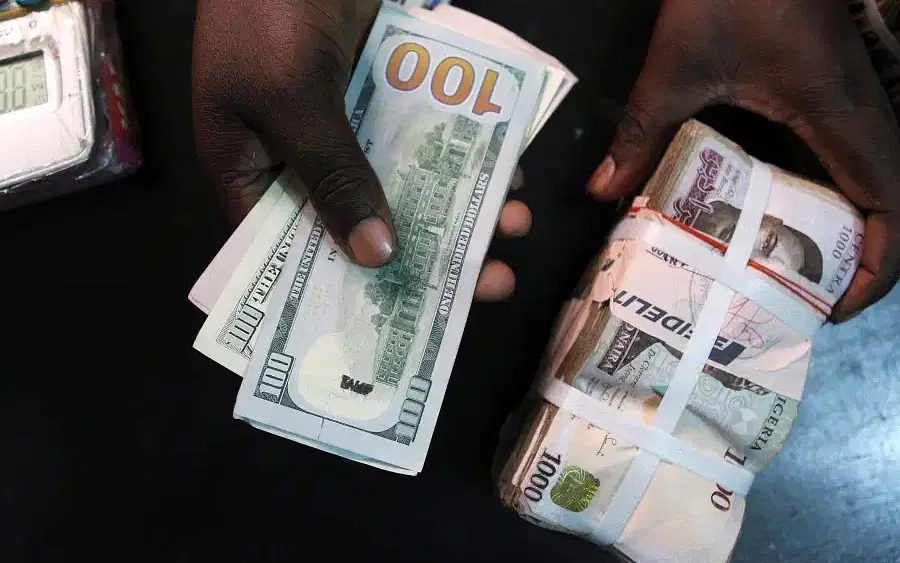
At the official window, known as the Nigerian Foreign Exchange Market, the naira recorded a trading figure of roughly ₦1,371.36 against the greenback. Driven by Central Bank of Nigeria transaction mechanisms, this official benchmark serves as the primary gateway for legitimate trade, corporate transactions, and formal foreign transfers.
Street traders and bureau de change operators across major commercial hubs quoted slightly higher figures, reflecting ongoing supply trends. On the parallel market, operators were purchasing the dollar at around ₦1,405 and selling near ₦1,410. This marginal disparity highlights the persistent demand for quick-access foreign currency outside regulated banking channels.
While structural currency reforms over the past year have noticeably narrowed the margin between official and unofficial rates, the remaining gap continues to serve as a real-time barometer for market liquidity. Many importers and local businesses still turn to parallel market dealers to bridge immediate dollar shortfalls whenever official supply allocations fall behind schedule.
Market watchers note that these numbers remain dynamic throughout the trading day, shifting alongside broader economic conditions, transaction volumes, and minor regional dealer variations across major cities such as Lagos, Abuja, and Port Harcourt.