








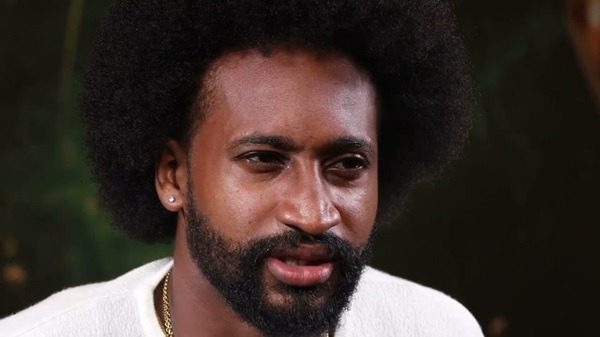





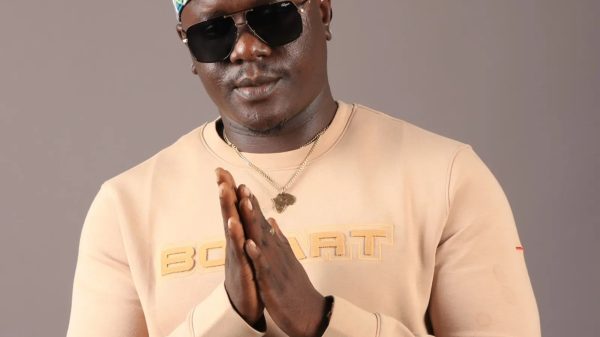



In an exclusive sitting with ADENIYI ADEWOYIN, veteran entertainer Baba Dee shared a raw and deeply personal perspective on his relationship with Nigeria, the evolution of the music industry, and the void left by his late brother, Sound Sultan. Having relocated his family abroad years ago, the artist has remained a frequent visitor to his homeland, but his most recent trip in 2026 has left him feeling more disillusioned than ever.
Baba Dee admitted that while coming home used to be the absolute highlight of his calendar, the current state of affairs is forcing him to reconsider his frequent visits. He spoke passionately about the growing disconnect between the Nigeria he remembers and the one he currently sees, citing systemic corruption and a breakdown in accountability. Using the Ministry of Works as a reference, he questioned how massive budgetary allocations for road infrastructure seem to vanish while citizens remain stranded on dilapidated highways. To him, the “better pass my neighbor” mentality has created a society where people have become comfortable watching things fall apart as long as they feel personally superior to those around them.
The conversation naturally drifted toward the music industry, where Baba Dee offered a critique of the global Afrobeats phenomenon. While the genre has successfully laundered Nigeria’s image abroad, he argued that it isn’t truly benefiting the nation’s economy. He pointed out that the biggest artists often seed their publishing rights to foreign companies because local copyright management organizations have spent decades in internal conflict. Without a unified system to handle publishing administration, the financial rewards of the “Afrobeats to the world” movement are largely flowing out of the country.
Reflecting on the festive season and the skyrocketing prices of concert tickets, the legend noted that the Nigerian spirit is incredibly adaptable, but often to its own detriment. He observed that high prices have become a status symbol, with people paying exorbitant fees just to feel part of an exclusive class. However, he warned that while the global interest in Nigerian culture is at an all-time high, the lack of basic infrastructure like stable electricity and good roads will continue to hinder the country from fully capitalizing on this international spotlight.
Baba Dee also addressed the debate surrounding industry “legends,” dismissing the trend of labeling every artist with a single hit as a legend. For him, the title belongs to those who have shown consistency for at least a decade and have made foundational contributions to the craft. He laid claim to being the first to successfully blend local Yoruba dialects with foreign beats—a style he believes laid the groundwork for the groups that followed.
The most poignant moment of the interview came when discussing his brother, the late Sound Sultan. Baba Dee confessed that his interest in the industry has waned significantly since Sultan’s passing. He described the loss as something one never truly gets over but simply learns to deal with daily. Coming home to Nigeria no longer feels the same without his brother waiting to receive him at the airport.
Despite his personal grief and his concerns for the country, Baba Dee remains committed to preserving Sound Sultan’s legacy. He noted that while the last person who physically remembers someone will eventually pass away, an artist’s work can live forever through digital archives. His goal now is to ensure that future generations can look back and see exactly what Sound Sultan stood for and the impact he made during his time on earth.