


































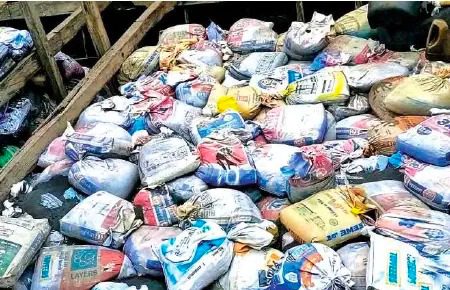
A fresh scramble for mineral resources is unfolding along the Atlantic coastline of Bayelsa State, and it is already stirring concerns that the state could be heading into another familiar cycle of tension, exploitation and conflict.
At the centre of the growing interest is Black Sand, a heavy mineral deposit believed to contain valuable elements such as titanium and zirconium. Experts say the resource could open a new economic window for Bayelsa, but the manner in which extraction is beginning to take shape has triggered unease among environmental advocates and local observers.
What should have been seen as an opportunity is now being viewed with caution, especially following reports that military gunboats have been escorting barges loaded with the mineral. For many in the Niger Delta, that image is hard to separate from the region’s troubled history with crude oil, where resource wealth often came hand in hand with secrecy, environmental damage and conflict.
Environmental activist and Chief Operating Officer of ECARD, Comrade Alagoa Morris, said the signs emerging around Black Sand mining are raising more questions than answers. According to him, if the reports and images showing military escorts for barges carrying Black Sand are accurate, then the public deserves to know who is behind the operation and under what authority the activity is being carried out.
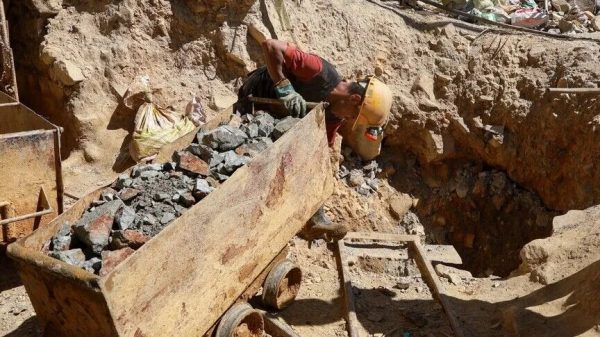
Black Sand is not ordinary coastal sediment. It is made up of dense mineral particles such as magnetite, zircon and garnet, which become concentrated along the shoreline after ocean waves wash away lighter materials like quartz. Because of the minerals it contains, the resource is considered commercially valuable and is used in industries ranging from steel and ceramics to paints, electronics and other advanced manufacturing processes.
Industry sources say a 50 kilogram bag of the material currently sells for between N1,000 and N1,500, depending on location and handling costs. Bayelsa’s advantage lies in the fact that it has the longest stretch of Nigeria’s Atlantic coastline, covering parts of Brass, Southern Ijaw and Ekeremor local government areas. Recent court decisions affirming the rights of Bayelsa and Lagos states over mineral resources found in their territorial waters have also strengthened the state’s standing in relation to the resource.
Still, the concern is not just about the value of the mineral, but about how the business is being managed. Morris said the reported use of military protection around the evacuation of Black Sand mirrors the same pattern seen in the crude oil economy, where control of resources often became shrouded in power, exclusion and conflict. He questioned whether the military was officially involved in the operation and called for full transparency on those mining and moving the resource out of the state.
The development has also drawn comparisons with the lithium rush in parts of Kogi, Kaduna and Nasarawa states, where the mineral often described as White Gold has attracted growing attention. With Nigeria’s biggest lithium processing plant now located in Lafia, some analysts and civil society voices believe Bayelsa should learn from that example by ensuring the mineral is processed locally rather than exported in raw form.
Morris said there is no reason Bayelsa should allow another valuable natural resource to leave its shores without first creating economic value within the state. He argued that the government should encourage the establishment of a Black Sand processing plant in Bayelsa, especially at a time when the administration of Governor Douye Diri is pushing infrastructure projects aimed at opening up the state’s coastal corridor through the three senatorial roads.
He warned that the state must not repeat the same mistake made with crude oil, where raw resources were exported while the country later spent heavily importing finished products. In his view, investors interested in the resource should be required to work with the appropriate state institutions and align their activities with a clear development framework.
Although Black Sand mining does not involve deep excavation like some other forms of solid mineral extraction, environmentalists say that does not make it harmless. Because the deposits sit naturally along the coastline, large scale removal of the material could still alter the coastal surface, worsen erosion and destabilise the surrounding ecosystem if not properly regulated.
Akassa based conservationist Raymus Henry Ebiegberi said the environmental risk is one of the biggest issues being ignored in the rush for quick profit. He noted that in some areas, the mineral is already becoming scarce, forcing miners to move from one location to another in search of fresh deposits. According to him, the growing number of young people entering the trade daily shows just how quickly the activity is expanding, even though there is little public discussion about its long term impact.
Ebiegberi said the concern goes beyond the price of a bag of Black Sand or the money changing hands in local communities. What worries him, he said, is the sheer scale of daily extraction and the absence of a visible environmental plan. He warned that continued mining without oversight could leave host communities facing severe erosion and ecological damage in the future.
He also questioned the recent arrest of 13 persons by the Navy in connection with Black Sand activities, suggesting that the focus may be falling on transporters and small scale actors while those truly driving the business remain untouched. In his view, the authorities should be more interested in identifying the companies buying the mineral and the networks behind the operation rather than simply parading those moving it from one point to another.
Ebiegberi argued that if there were no organised buyers, the business would not be thriving at its current pace. He said government agencies should investigate the bigger operators and enforce proper regulations instead of making public examples of individuals whose daily earnings are likely only a fraction of the value being generated from the trade.
With interest in Black Sand rising and extraction already underway, stakeholders are warning that Bayelsa must move quickly to put clear rules in place before the situation spirals into another resource driven crisis. For a region still carrying the scars of decades of oil exploitation, the fear is that a lack of transparency, weak regulation and growing militarisation could once again create tension between communities, operators and the state.
Morris said all parties involved, from government and investors to local communities, must insist on social and environmental justice if Bayelsa is to avoid turning another natural blessing into a fresh source of conflict.