








































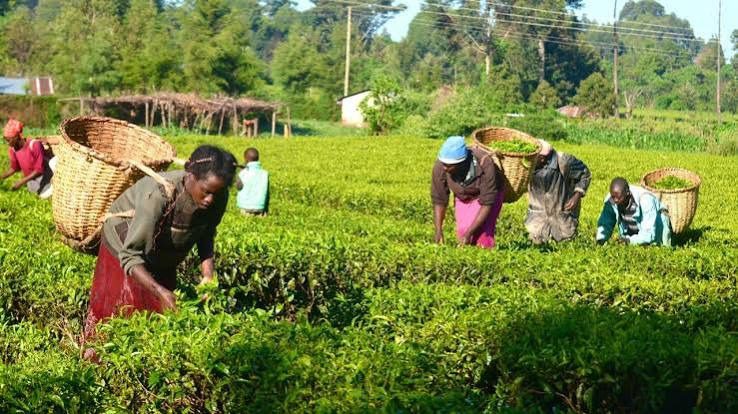
Women farmers in Benue State are calling for greater support to help them expand agricultural production, improve processing and gain access to international markets.
The farmers believe the state has significant potential to supply food beyond Nigeria, but say more investment and support are needed to build a stronger agricultural value chain capable of meeting export demand.
Rebecca Afatyo, a member of the Smallholder Women Farmers Organisation in Nigeria, made the call during a training programme on improved cowpea varieties and good farming practices held in Makurdi.
Afatyo said farmers in Benue already have the capacity to produce enough food for local consumption and export, but need support to increase production, process their harvests and develop better routes to international markets.
She urged women farmers to move beyond small scale production and take a more active role as producers, processors, marketers and exporters.
According to her, significant demand for Nigerian agricultural products exists in parts of Asia, America and other regions, making it important for farmers to develop the capacity to serve those markets.
Also speaking at the training, Dr Teryima Iorlamen, an agronomist and seed specialist at Joseph Sarwuan Tarka University, Makurdi, said the improved Alkam Super cowpea variety could help farmers increase yields while improving the nutritional value of their produce.
Iorlamen explained that the variety contains important nutrients, including iron and zinc, and is part of efforts to move improved agricultural research from institutions to farmers.
He said the research to farmer initiative was designed not only to introduce improved varieties but also to encourage farmers to adopt better agronomic practices that can improve productivity.
The coordinator of the JOSTUM and IITA Breakthrough Cowpea Product Project also highlighted the importance of proper harvesting and airtight storage.
He said improved storage methods could reduce post harvest losses and help farmers preserve cowpea for longer periods, giving them greater flexibility in marketing their produce and reducing pressure to sell immediately after harvest.
Iorlamen advised the farmers to avoid harmful chemicals and other unsafe practices in food production, urging them to make proper use of the knowledge gained during the training.
The State Coordinator of SWOFON, Veronica Guma, said the women were prepared to apply the lessons from the programme to their farms.
Guma said the training would help improve agricultural output and disclosed that the women had already started planting the improved cowpea variety on August 27.
The farmers’ push for export market access reflects their broader ambition to move from small scale agricultural production to a more organised value chain capable of creating better income opportunities and meeting demand both within Nigeria and abroad.







