






























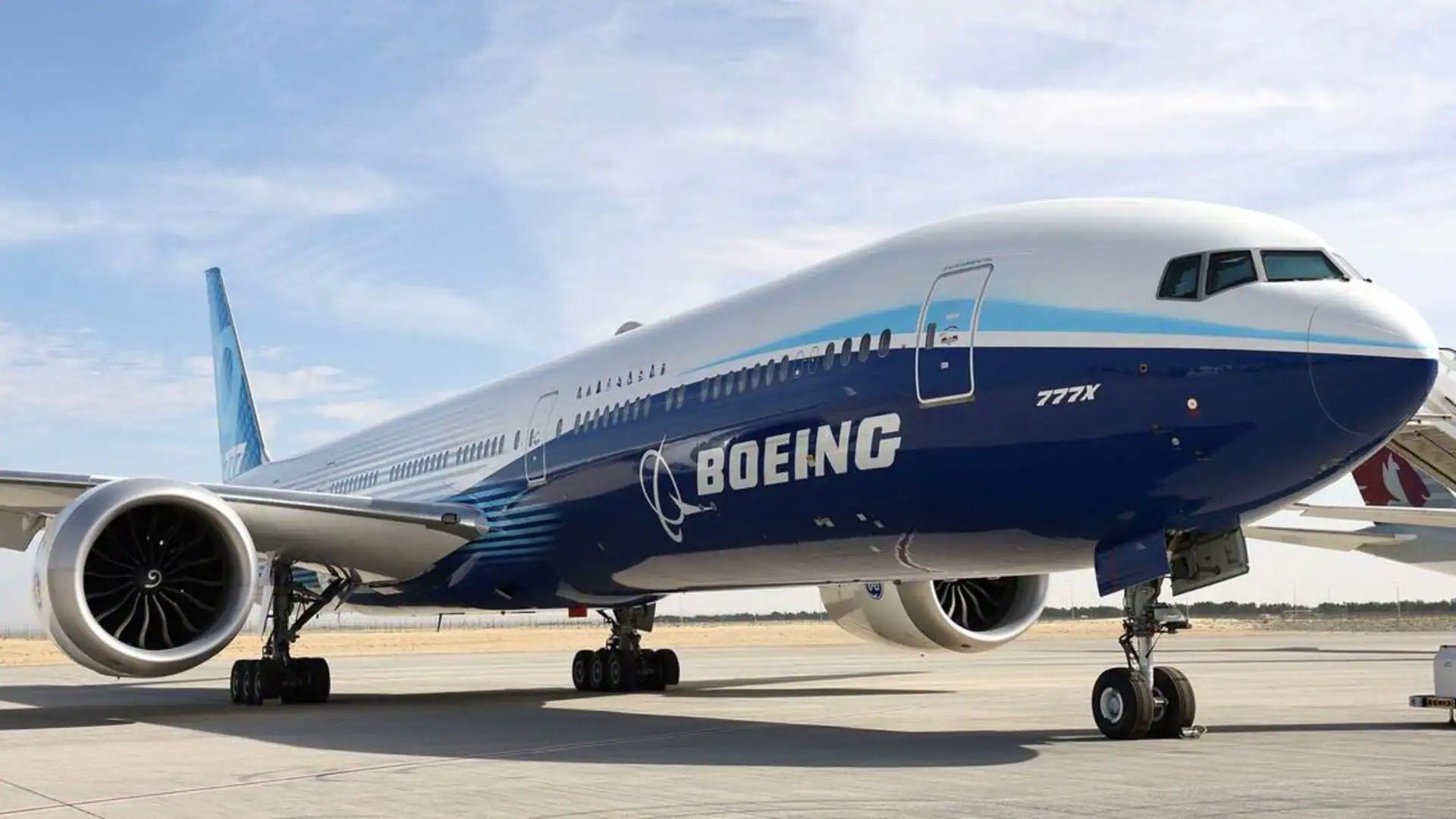
African airlines are poised for a massive fleet expansion, with Boeing projecting that the continent will require 1,205 new aircraft over the next two decades to keep pace with soaring demand for air travel. This optimistic forecast is detailed in the newly released 2025 Commercial Market Outlook (CMO) for Africa.
The report highlights that passenger traffic across Africa is expected to grow at an average rate of 6% annually through 2044. This acceleration is being powered by several key demographic and economic trends: rapid urbanization, a booming youth population, the expansion of the middle class, and increased government investment in crucial airport infrastructure.
To sustain this anticipated surge in travel, Boeing estimates that Africa’s commercial fleet will more than double, reaching a total of 1,680 aeroplanes by the year 2044. This expansion signals significant opportunities for regional airline operators, service providers, and global manufacturers.
The Dominance of Single-Aisle Jets
The majority of these future deliveries will be dominated by single-aisle aeroplanes, which are expected to account for approximately 865 out of the 1,205 new aircraft. This trend is largely driven by the rising demand for efficient, short-haul international and domestic flights across the continent. According to the International Air Transport Association (IATA), these single-aisle aircraft will represent 70% of the total new deliveries, thereby enhancing opportunities for network expansion within Africa.
The remaining deliveries in Boeing’s projection include:
-
Regional jets: 90
-
Widebody aircraft (for long-haul routes): 240
-
Freighters (for cargo): 10
Shahab Matin, Boeing’s Managing Director of Commercial Marketing for the Middle East and Africa, emphasized the pivotal role aviation plays in the continent’s progress. “Aviation is a catalyst for Africa’s economic expansion and intra-continental connection,” Matin stated. He added that more versatile and efficient aeroplanes, when combined with strategic investments to make air travel more accessible, will unlock even greater growth opportunities for the region’s key airline hubs.
The Rise of LCCs and Service Demand
The market outlook also underscores the increasing influence of Low-Cost Carriers (LCCs). Boeing noted that these carriers are exceptionally well-positioned to expand their networks into Europe, the Middle East, and many previously underserved African destinations, all while offering more budget-friendly travel options to consumers.
Beyond aircraft sales, the manufacturing company projects a massive demand for aviation services on the continent, valued at $130 billion by 2044. This includes crucial sectors such as maintenance, training, digital solutions, and operational support systems.
Consequently, Boeing forecasts a significant need for new aviation personnel, estimating a demand for 74,000 workers. This workforce includes pilots, aircraft technicians, and cabin crew—all necessary as African airlines scale their operations to accommodate the rising passenger numbers.
As governments and private operators continue their efforts to enhance connectivity, modernize fleets, and adhere to international safety and efficiency standards, Africa’s growing aviation market presents robust long-term opportunities.