

















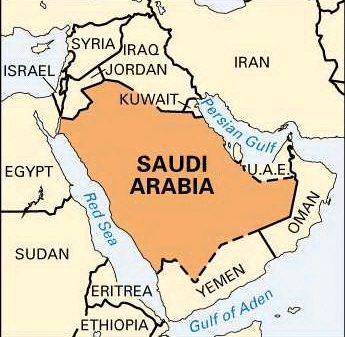


The global energy market is currently in the middle of a “crazy situation,” according to Aliko Dangote. Speaking from his office in Lagos on March 12th, Africa’s wealthiest man noted that crude oil prices had just surged by 10% following the latest instability in the Gulf—a trend he believes is far from over.
While African entrepreneurs are often sidelined during global crises, Dangote has positioned himself as a central figure. In 2023, he launched Africa’s largest refinery complex just outside Lagos. Sprawling across an area half the size of Manhattan, the facility can process 650,000 barrels of oil per day. The demand is so intense that potential buyers are currently willing to pay almost any price to secure a share of the output.
With a fortune estimated at $28.5 billion, Dangote is the only African currently ranked among the world’s 100 richest people. However, he insists that his massive refinery is about more than just personal wealth; it is a push for continental self-reliance. He argues passionately that if Africans do not lead their own industrialization, the continent will remain stagnant.
Dangote’s journey to becoming an industrial titan didn’t happen overnight. He began as a trader in the 1970s, following in the footsteps of his ancestors by importing commodities like sugar and salt. It wasn’t until the turn of the century that he shifted from trading to manufacturing, starting with cement. Today, Dangote Cement is a cornerstone of his empire, boasting a market capitalization of roughly $10 billion and profit margins that often outperform global competitors.
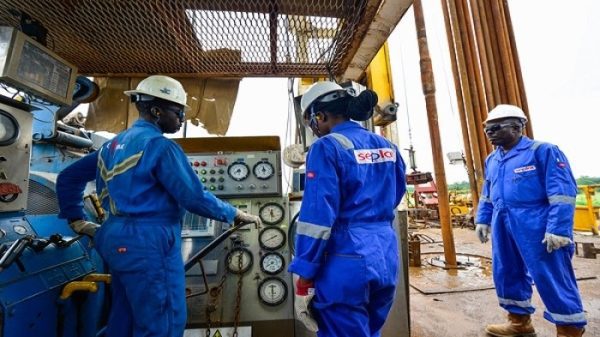
The refinery, however, is a project on an entirely different scale. Building this “industrial Xanadu” required dredging vast swamps and constructing a private port to bring in massive equipment, including a distillation tower taller than Big Ben’s clock tower. The site features nearly 200 fuel tanks capable of storing over 4 billion liters of fuel—a volume larger than the annual wine production of France.
Beyond the sheer size, the refinery is a macroeconomic game-changer for Nigeria. For decades, the country has been forced to import the majority of its petrol despite being a major crude producer. Running at full capacity, the plant is expected to boost Nigeria’s non-oil GDP and save billions in foreign reserves by reducing the demand for US dollars. Dangote suggests that without this facility, the Nigerian economy would currently be at a standstill.
The complex is also diversifying into other sectors, producing raw materials for plastics, detergents, and fertilizers. With the recent closure of the Strait of Hormuz affecting global fertilizer trade, Dangote’s ability to produce 3 million metric tons of fertilizer per year has become even more critical.
Looking ahead, Dangote has no plans of slowing down. He intends to list the refinery on the stock exchange and expand its capacity over the next three years. His ambitions also stretch across the continent, with billion-dollar projects planned in Ethiopia, Zimbabwe, Zambia, and Ghana, ranging from phosphate mining to cocoa processing.
Comparisons are already being drawn between Dangote and India’s Mukesh Ambani. Like Ambani, Dangote is betting big on the idea that local industrialists must be the ones to build their nations. He acknowledges that many are scared to invest such massive capital in Africa, but he remains undeterred. As he prepared for his next meeting, Dangote offered a bold prediction: in three years’ time, the scale of what he has built today will have tripled.