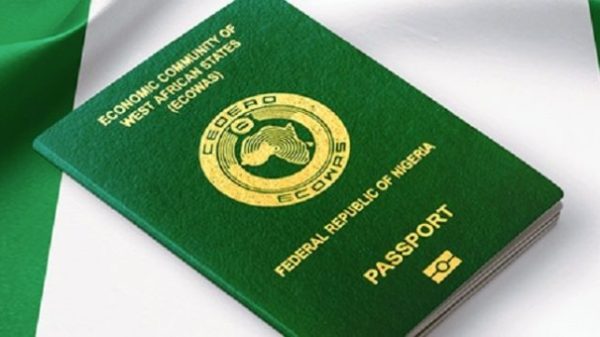




































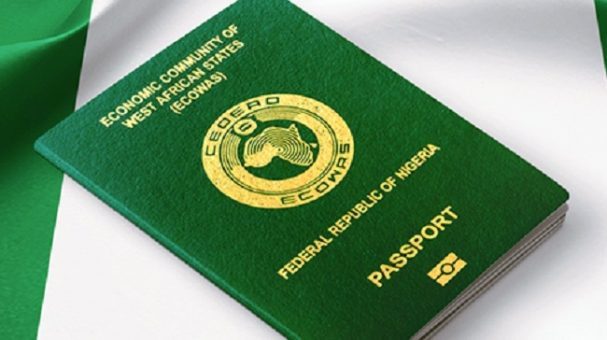
Navigating international travel as a Nigerian passport holder has steadily evolved, offering smoother alternatives to the traditional, often cumbersome embassy paper trail. For globetrotters looking to bypass physical embassy visits, an electronic visa or eVisa has opened up a simpler way to manage travel documentation online prior to departure. However, because processing rules, fees, length of stay, and eligibility criteria change drastically from one country to another, Reports has put together a comprehensive look at how these systems work and the destinations currently extending electronic entry options to Nigerian travelers.
Global passport databases indicate that Nigerian citizens have digital access pathways to dozens of global destinations. While some nations utilize a direct eVisa system, others rely on electronic travel authorizations or online pre-approvals that require careful verification before booking any flights. It is worth noting right away that securing an eVisa is rarely an automatic stamp of approval; applicants must still fully satisfy specific immigration criteria, present proper supporting documents, and often fly through designated ports of entry.
Closer to home and across various continents, several popular and emerging destinations handle applications through streamlined portals. South Africa, for instance, manages an active online system via its Department of Home Affairs, allowing travelers to build a digital profile, upload documents, and settle fees electronically, provided they use designated airports. Rwanda handles things slightly differently; while it maintains digital immigration frameworks, Nigerian citizens have long enjoyed a 30-day visa-free arrangement thanks to regional and multilateral frameworks, meaning a short tourist hop there typically skips the online visa hurdle entirely.
Other African countries featuring electronic pathways include Djibouti, Equatorial Guinea, and a broad roster spanning nations like Angola, Botswana, Ethiopia, Gabon, Malawi, Namibia, and Zimbabwe, though specific entry conditions and portal guidelines fluctuate.
Venture outside Africa, and several Asian and Middle Eastern destinations also feature prominently on electronic visa lists. Cambodia and Malaysia provide digital routes granting defined stays—such as up to 30 days for Cambodia and shorter windows for Malaysia—provided applications are completed beforehand. Qatar and the United Arab Emirates offer digital application frameworks as well, though travelers must pay close attention to changing eligibility parameters tied to their specific nationality, visa category, and purpose of visit. Additional Asian and Middle Eastern options like Bahrain, Oman, Pakistan, and Singapore also appear across various tracking indices, each requiring strict adherence to their official immigration channels.
For those eyeing European or American corridors, destinations like Albania, Serbia, and Moldova have occasionally populated electronic visa directories, offering digital application initiation instead of physical paper drop-offs. Similarly, select nations across the Americas and the Caribbean—including Antigua and Barbuda, Colombia, and Suriname—maintain electronic visa or online travel authorization provisions, though rules heavily depend on whether travelers hold complementary visas from regions like the United States, United Kingdom, or the Schengen zone.
Because tracking platforms rely on differing definitions—some grouping electronic travel authorizations alongside traditional eVisas—aggregate totals can vary, with certain databases pointing to roughly fifty to sixty potential digital entry destinations for Nigerian passport holders. Reportsreminds all travelers to treat an eVisa strictly as a pre-travel convenience rather than a guaranteed ticket, advising everyone to double-check official government portals for the most up-to-date documentation requirements before locking in travel plans.