




























Staying informed about the current exchange rate between the US Dollar and the Nigerian Naira is essential for anyone planning to travel or engage in business within the country. As of today, Monday, December 22, 2025, the fluctuations in the foreign exchange market continue to play a major role in determining the cost of goods, services, and overall project budgeting. Reports provide these daily insights to help you navigate the complexities of the Nigerian financial landscape.
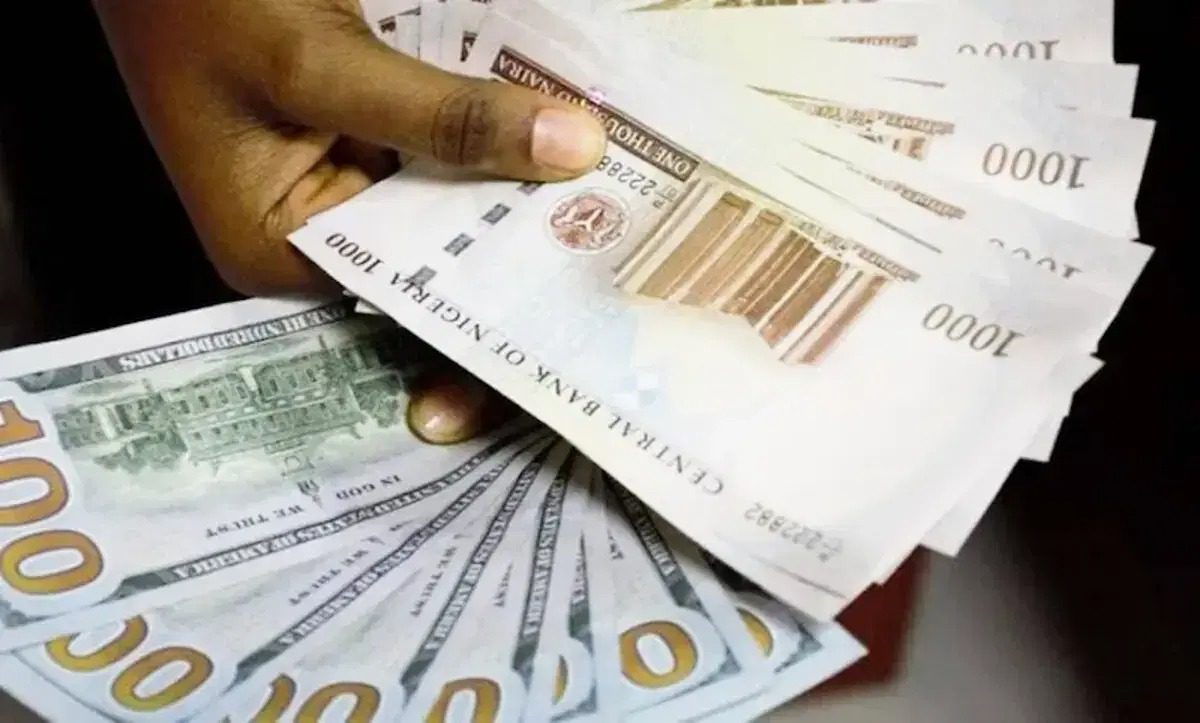
According to data gathered from the parallel market, commonly referred to as the black market or Bureau De Change (BDC), the exchange rates in major hubs like Lagos, Abuja, and Kano are holding steady with slight variations. Today, the buying rate for the US Dollar stands at N1500, while the selling rate is N1510. It is important to remember that these unofficial rates can shift rapidly depending on the specific location and the volume of the transaction.
Several factors influence why the Naira gains or loses value against the Dollar. Economic policies, political stability, and global trade conditions are at the forefront. For instance, when the government introduces policies that make Nigeria attractive to foreign investors, the Naira often finds some breathing room. Conversely, high inflation, rising government debt, and unfavorable interest rates tend to put pressure on the local currency. Currently, many BDC operators have noted that a surge in demand, coupled with limited liquidity, is driving the recent upward trend. This scarcity has even affected bank users with domiciliary accounts, some of whom have reported difficulties in withdrawing their funds.
Managing your money in such a volatile environment requires a proactive approach. It is often wise to use exchange services that offer competitive rates and transparent fees to avoid losing value on every transaction. Many savvy investors also choose to diversify their holdings across different currencies or markets to minimize risk. Monitoring these trends through reliable resources allows you to make better-informed decisions on when to buy or sell.
The debate over the necessity of the black market continues to divide opinions. While some argue that its existence harms the economy, others point out that it remains the most accessible source of foreign exchange for the average Nigerian, especially when banks are unable to meet demand. A balanced solution would likely involve stricter regulation of the parallel market and addressing the root causes of FX scarcity. Strengthening local production, fixing our refineries to stop the drain on foreign reserves caused by fuel imports, and ensuring security for farmers to boost exports are all critical steps toward a more stable Naira.
The US Dollar itself is a fascinating currency with a massive global footprint. Did you know that the first paper notes were printed back in 1862 to address a shortage of coins? Today, there is roughly $1.54 trillion in circulation worldwide. Interestingly, the US prints about 38 million notes daily, though 70% of those are simply produced to replace old, worn-out bills. While paper money is common, coins have a much longer lifespan of about 25 years. However, it seems many people aren’t fond of carrying them, as it is estimated that over $62 million in coins are literally thrown away every year.
Looking ahead, it is clear that the exchange rate will remain sensitive to both local developments and global economic shifts. By keeping a close eye on these changes and staying proactive with your financial planning, you can better protect your interests in the long run.