




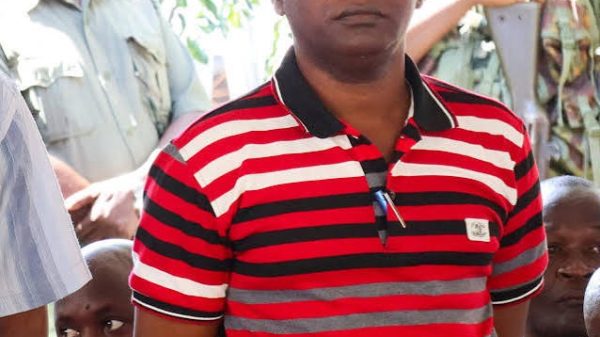













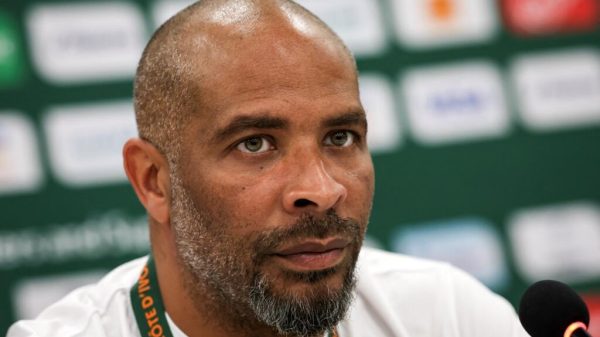



















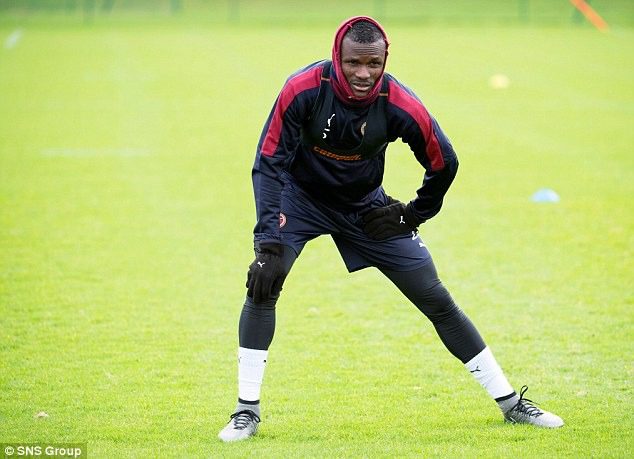
Former Nigerian professional footballer Abiola Dauda has opened up about the unconventional and unsettling tactics he faced during his playing career, specifically alleging that a Belarusian club attempted to manipulate him into signing an inferior contract by raising false alarms about his health.
In a recent social media post, Dauda, who now works as a talent scout, explained that his struggles began with medical screenings that frequently flagged specific heart characteristics common among West African athletes. Throughout his career in Sweden, Serbia, and Belarus, he often had to navigate skepticism from European medical staff who were unfamiliar with the physiological profile of players from his region.
The issues first surfaced in 2008 shortly after he signed with his first professional club, Kalmar FF. During his initial medical, doctors identified a thickening of the heart muscle and a T-wave minus reading on his EKG. While he remained perfectly healthy and capable of performing at a high level, the discovery created immediate friction. According to Zoyols News, Dauda noted that his coach at the time was so concerned by these findings that he was restricted to substitute appearances for the first two years, despite medical clearance to play full ninety-minute matches. It was a frustrating period for the striker, who took his conditioning seriously and eventually proved his durability as he transitioned into a regular starter.
The recurring nature of these medical interpretations followed him to Serbia when he pursued a move to Red Star Belgrade. Once again, club officials used the familiar heart findings to justify shortening his contract and reducing his salary, betting that his health would prevent him from contributing. Dauda stood his ground, undergoing three days of intensive testing and even wearing a heart monitor around the clock. He was ultimately cleared to play, and he viewed his subsequent success on the pitch as validation against the club’s initial doubts.
However, the most bizarre chapter of his career unfolded in Belarus with Dinamo Minsk. Dauda recounted that the club attempted to use the same medical results to intimidate him, alleging that they tried to scare him into accepting a deal he described as being written on toilet paper. While he did not clarify if he ultimately put pen to paper, the experience left a lasting impression on him.
Dauda shared these personal accounts to serve as a cautionary tale for young African footballers who may face similar hurdles during overseas medicals. He hopes to educate the next generation on the importance of understanding their own cardiac screenings and standing firm when clubs attempt to exploit common, non-threatening physical traits to negotiate better terms for themselves.