





































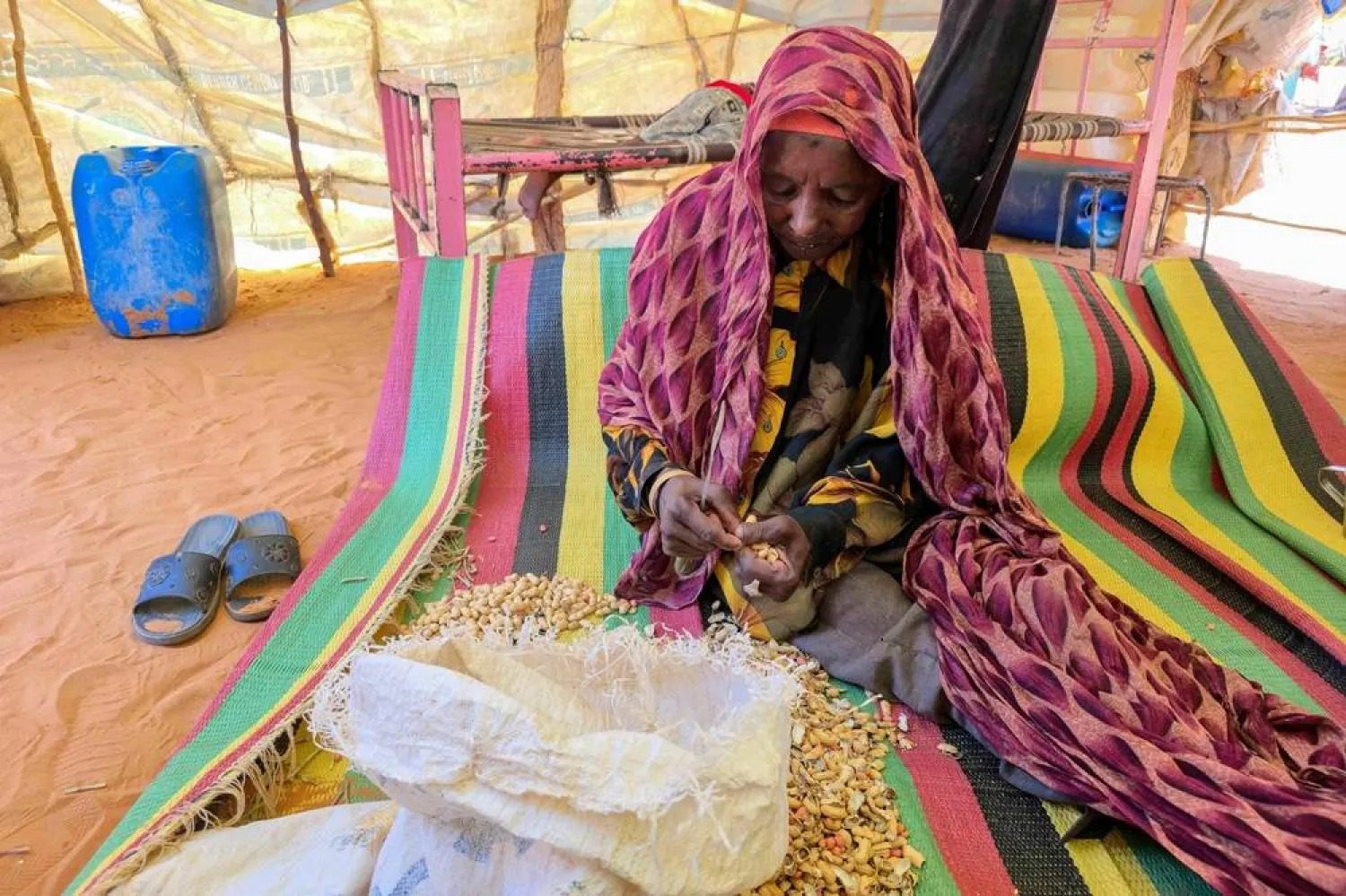
Famine is threatening six localities in Sudan’s West Kordofan state as severe drought, failed harvests, rising food prices and worsening insecurity push communities deeper into crisis, local aid volunteers have warned.
The situation has deteriorated significantly across areas controlled by the Rapid Support Forces, RSF, with residents reporting widespread looting, loss of livelihoods and a growing agricultural crisis caused by a lack of rainfall.
Thousands of civilians have also been forced to leave their homes for neighbouring North Kordofan following allegations of widespread abuses by RSF fighters.
The Dar Hamar Emergency Room, a volunteer network providing relief to affected communities, said the crisis was spreading across the northern part of West Kordofan. It identified Wad Banda, El Nuhud, Ghebeish, Abu Zabad, Al Odaiya and Al Khiwai among the areas facing the threat of famine.
The group warned that the region was heading towards a major humanitarian disaster, with communities already struggling to find enough food to survive.
Drought has severely damaged farmland across the affected areas, resulting in widespread crop failures. According to the volunteers, residents have also lost much of what they owned after RSF fighters allegedly took their assets and savings.
Food shortages have pushed prices beyond the reach of many families. A sack of sorghum, one of the region’s main staple foods, now costs about 10 million Sudanese pounds, equivalent to roughly $1,300.
The shortage has been made worse by restrictions on movement. The emergency group said commercial trucks carrying food from North Kordofan have been prevented from entering the affected areas, further limiting supplies and driving up prices.
As access to food becomes increasingly difficult, hunger and illness are spreading, with children and elderly people among those suffering the most.
The volunteers said deaths have already been recorded as the humanitarian situation worsens, while international aid remains almost completely absent from the affected communities.
The unfolding crisis adds to the severe humanitarian challenges facing Sudan, where conflict, displacement, food shortages and restricted access to aid continue to threaten millions of civilians.