

























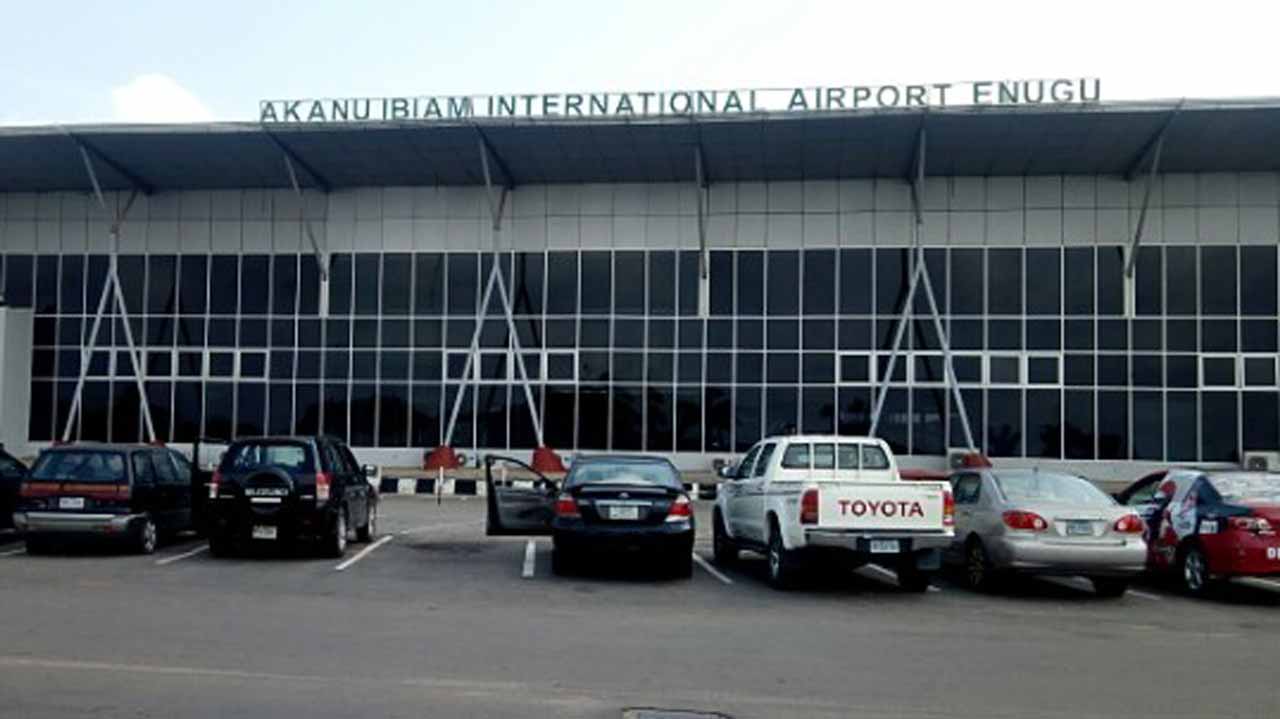
In a major move to revitalize the South Eastern economy, the Federal Government has officially signed the concession agreement for the Akanu Ibiam International Airport in Enugu. This landmark deal, facilitated through a Public-Private Partnership (PPP), is being celebrated by the Infrastructure Concession Regulatory Commission (ICRC) as a turning point for the region’s infrastructure and trade potential.
The agreement was finalized between the Ministry of Aviation and Aerospace Development, the Federal Airports Authority of Nigeria (FAAN), and the private partner, Aero Alliance. This project has now reached “commercial close,” meaning the transition from government-led management to private sector implementation is officially underway.
Dr. Jobson Oseodion Ewalefoh, the Director General of the ICRC, described the signing as a bold statement of Nigeria’s openness to private investment. He noted that the airport will now serve as a more efficient gateway, enhancing both domestic and international travel while creating essential links for tourism and commerce across the South East.
The journey to this point was a rigorous one. The ICRC ensured the process met all national standards, including business case certifications, deep due diligence, and final vetting by the Federal Ministry of Justice. This transparency was key to building investor confidence and ensuring that the project delivers real value for money for the Nigerian people.
Governor Peter Mbah of Enugu State received special praise from the ICRC boss for his tireless advocacy and strategic vision in making the state an attractive destination for such high-level investments. Dr Ewalefoh pointed to Enugu as a model for other states like Lagos, Ondo, and Cross River that are successfully using PPPs to accelerate development without overstretching government budgets.
The Minister of Aviation, Festus Keyamo, SAN, was also recognized for his leadership in navigating the complex reforms needed to bring this deal to life. With the concession now active, the focus shifts to modernizing the facility and improving passenger experiences, all while keeping the job security of existing aviation workers a top priority.