








































Nigeria’s telecommunications landscape is currently caught in a high-stakes tug-of-war, with two major institutional heavyweights seemingly pulling in opposite directions just when the sector needs cohesion the most. On one side stands the Nigerian Communications Commission, which has rolled out a groundbreaking consumer compensation framework designed to hold mobile network operators strictly accountable for poor service quality. On the other side, the House of Representatives has ramped up its legislative oversight into a much more combative posture, issuing stern summons, floating threats of arrests, and openly questioning whether the industry’s primary regulator is actually up to the task.
This brewing tension runs far deeper than mere procedural disagreements. It cuts straight to the core of how the nation manages its most vital digital infrastructure: whether progress should be driven through patient, data-led regulatory enforcement or through high-drama parliamentary confrontations.
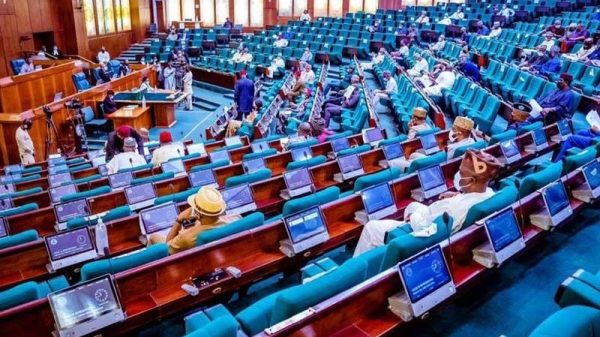
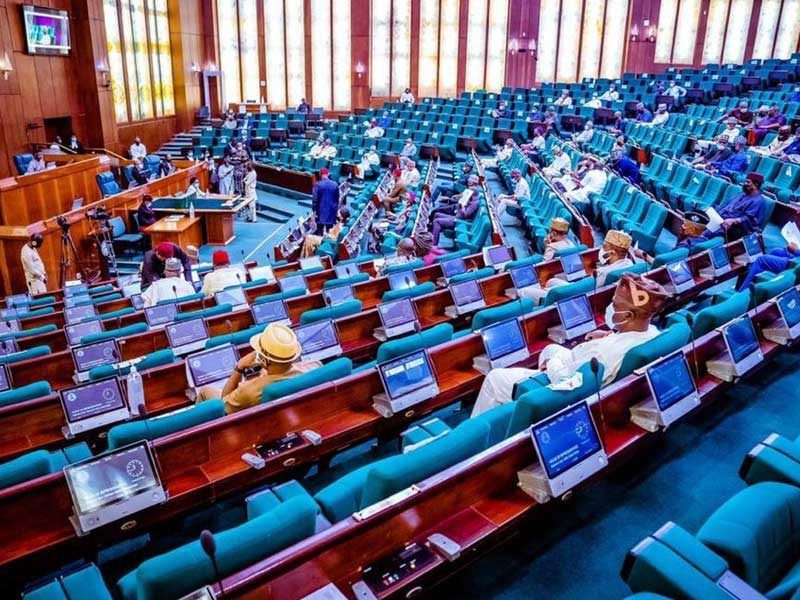
The friction became glaringly public when the House of Representatives Ad Hoc Committee probing poor telecom service quality issued a seven-day ultimatum to the chief executives of major industry players, including MTN Nigeria, Airtel Nigeria, Globacom, and Mafab Communications. Lawmakers warned that any chief executive who failed to show up in person would face arrest warrants. The committee chairman, Rep. Olumide Osoba, argued that mobile connectivity has become the invisible backbone of everyday commerce, point-of-sale transactions, and financial services, making the repeated practice of sending lower-ranking representatives instead of top bosses completely unacceptable.
This aggressive legislative posture is part of a broader push that began earlier in the year when lawmakers first faulted the regulatory body for what they termed lax oversight. At the time, parliamentary voices accused operators of prioritizing profit margins over service reliability, prompting the chamber to direct the commission to tighten its performance standards while establishing the ad hoc committee to dig into the root causes of network failures.
Yet, away from the parliamentary spotlight, the regulatory body has hardly been sitting on its hands. Earlier in the year, the commission introduced a landmark directive requiring mobile operators to automatically compensate subscribers whenever network performance dips below accepted thresholds. This framework marked a massive shift in the country’s regulatory culture, lifting the tedious burden of filing complaints off the shoulders of everyday consumers and placing direct financial accountability squarely on the service providers.
Recent updates shared by the leadership of the commission during an industry parliament in Lagos revealed that tens of millions of subscribers have already received airtime or data compensation for network glitches over a multi-month window. Millions more have secured direct refunds for failed transactions, while operators have scrambled to execute thousands of individual network interventions. Even so, regulatory leadership has maintained a realistic stance, cautioning that while financial redress is a welcome relief, it can never truly replace a lost business opportunity or a dropped conversation. The ultimate goal, officials insist, remains stopping the service failures before they happen.
Industry observers and legal experts have largely welcomed these structural changes as a major leap forward in consumer protection, though some analysts have pointed out lingering gaps, such as the lack of a formal appeal channel for subscribers who feel their compensation does not quite match their inconvenience.
The central worry among industry watchers is that heavy-handed legislative interventions risk pushing network operators into a defensive crouch rather than a compliance-driven mindset. When telecom executives spend precious hours preparing for television-friendly parliamentary hearings, they have less bandwidth to focus on the heavy capital investments required to fix underlying network issues. Industry data shows that mobile operators and infrastructure companies pumped massive sums into network expansion over the past year alone, yet service complaints persist largely because explosive urban growth and rampant infrastructure vandalism continue to outpace even the heaviest capital deployment.
When the legislature publicly undermines the competence of the regulator while that exact regulator is busy rolling out a framework the House itself demanded, the message sent to the market is one of confusion rather than accountability. True consumer protection relies on data, transparency, and steady enforcement discipline. Discrediting the referee while the game is underway threatens to turn well-crafted policies into empty gestures, ultimately leaving millions of frustrated subscribers with nothing to show for it.
At the end of the day, lawmakers, regulators, and industry players all want the same thing: a dependable telecommunications network that works seamlessly for every Nigerian. The ongoing debate is not over the goal, but over the tools being used to get there. The current compensation framework is a structural solution to a structural problem, and it deserves the necessary breathing room to mature and be refined rather than being sidelined by political grandstanding. For the sector to truly move forward, the legislature would be far better served reinforcing the commission’s enforcement authority, helping tackle external headaches like power cuts and cable vandalism, and holding regulators accountable through rigorous oversight rather than bypassing them altogether.







