















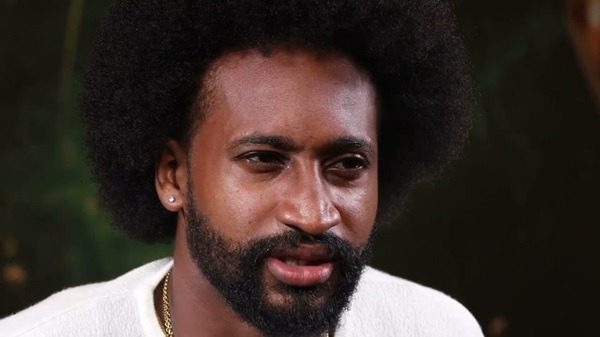








Dr Iwuchukwu Ezenwafor, a cleric and the leader of the Igbo Re-Invention Movement, has offered a deep dive into the historical and spiritual roots of the challenges currently facing the Igbo people. In a detailed position paper titled “The Anti-Semitic Genesis of the Igbo Trouble,” Ezenwafor suggests that the difficulties the ethnic group faces today are not accidental but are tied to colonial-era prejudices and a significant identity crisis within the community itself.
Ezenwafor argues that British colonial authorities formed a negative perception of the Igbo very early on. He points to a pre-colonial survey allegedly commissioned by Queen Victoria, which noted a coastal people practicing circumcision on the eighth day. This observation led colonialists to believe the Igbo were of Hebrew origin. Combined with their republican political nature, this made the Igbo appear “difficult to govern” in the eyes of the British, especially when compared to groups that embraced centralized royalty.
The cleric contends that this perception led to a deliberate structuring of Nigeria by colonial administrators to ensure perpetual instability. He claims that the British planted fears of Igbo dominance in the minds of other ethnic groups to justify political exclusion. This framework, he argues, was designed to keep the nation dysfunctional even after independence, ensuring that the Igbo remained marginalized within the constitutional and political arrangements of the new Nigeria.
However, Ezenwafor does not place all the blame on external forces. He is equally critical of internal shifts that he believes have weakened the Igbo spirit. He specifically takes aim at the popular mantra “Igbo enwe eze” (the Igbo have no king), labeling it a destructive narrative that has eroded unity and leadership. In his view, this mindset has fostered disunity and led to a moral decline, manifesting in unethical practices in both business and politics.
The core of the issue, according to Ezenwafor, is a “spiritual dislocation.” He believes the Igbo have abandoned an ancestral covenant with God, leading to a loss of direction that no amount of entrepreneurial success can fix. He maintains that the hostility often felt from neighboring groups is merely a symptom of this internal rebellion.
To move forward, the cleric is calling for a period of collective self-reflection. He insists that the path to political relevance and long-term progress lies in a spiritual restoration and a return to these foundational values. By retracing their steps and mending this relationship with the divine, Ezenwafor expresses optimism that the Igbo can reclaim their rightful place both within the Nigerian federation and on the global stage.