

































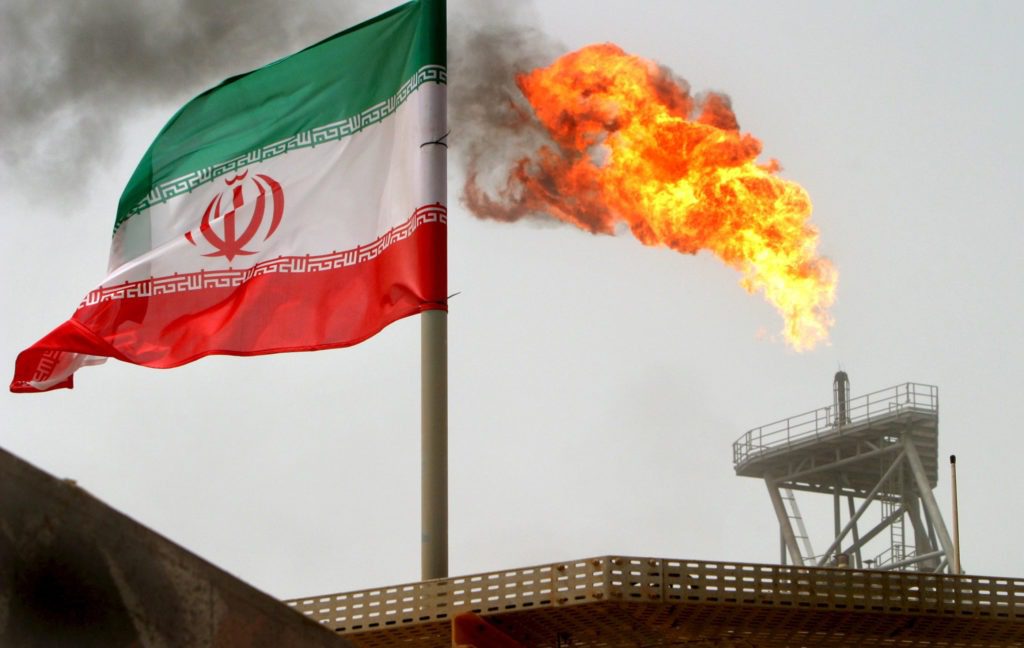
Tehran’s military leadership issued a stern warning this Saturday, accusing the United States of actively fueling instability across the Middle East. Senior commanders have explicitly cautioned neighboring nations against aligning themselves with Washington, suggesting that any country acting as a shield for American military interests risks becoming a direct target in the widening conflict.
Ali Abdollahi, the head of Iran’s military central command, delivered this sharp rebuke during a televised address. He argued that the American government is aggressively pushing the region toward a larger conflagration, warning that those who facilitate these actions will inevitably face the consequences of the resulting hostilities.
These latest tensions are flaring in response to rhetoric from Washington, where the American administration has threatened to strike Iranian assets with significant force. leadership in the United States is weighing the possibility of renewed, high-impact military operations that could target critical energy infrastructure as early as this weekend.
The hostilities follow a week of sporadic combat, which saw a brief pause in the exchanges of fire that have defined the conflict since it began on February 28. That initial flare-up was triggered by a joint offensive involving the United States and Israel against Iranian positions, an act that prompted a sustained retaliatory campaign of missile and drone strikes across the region. While the situation remained relatively quiet overnight between Friday and Saturday, the atmosphere remains highly charged.







