





















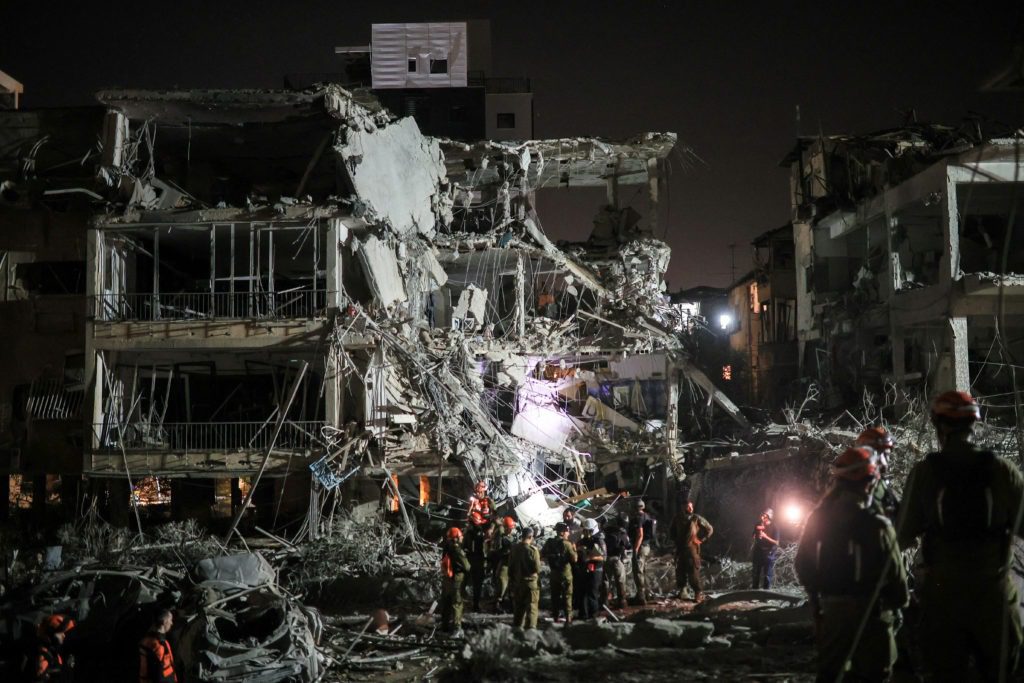
The Middle East witnessed a sharp escalation in hostilities on Tuesday as Iran launched a series of missile strikes across the region. The barrage coincided with fresh explosions in Tehran, following a stern warning from U.S. President Donald Trump. The American leader threatened to target Iran’s critical infrastructure, including power stations, desalination plants, and its primary oil export hub at Kharg Island, if a deal to end the conflict is not reached.
Despite the intensity of the situation, Israeli Prime Minister Benjamin Netanyahu and President Trump have declined to provide a specific timeline for the conclusion of the month-long war. Netanyahu claimed that more than half of Israel’s military objectives have been met, specifically noting the destruction of various Iranian industrial and arms plants. However, the conflict continues to expand, with the Israeli military reporting the loss of four more soldiers in southern Lebanon during clashes with Hezbollah.
The ripple effects of the violence are being felt far beyond the immediate borders of the warring nations. In Dubai, falling debris from intercepted projectiles wounded four people, while a Kuwaiti oil tanker in the city’s port caught fire following an attack. Saudi Arabian authorities also intercepted eight ballistic missiles shortly after Tehran’s top diplomat demanded the removal of U.S. forces from the kingdom.
The maritime situation in the Strait of Hormuz remains a central point of contention. While President Trump has insisted on the reopening of the vital shipping lane, an Iranian parliamentary committee recently voted to impose tolls on vessels and completely ban ships from the U.S. and Israel. U.S. Secretary of State Marco Rubio has characterized these tolls as an “incredible precedent” for the illegal seizure of international waterways, even as some reports suggest the U.S. administration might be willing to end the war without the strait being fully reopened.
Diplomatic efforts to find an “offramp” are intensifying. Egyptian President Abdel Fattah al-Sisi made a direct appeal to the U.S. President to stop the war, citing the severe economic strain on the region. Meanwhile, Pakistan’s Foreign Minister, Ishaq Dar, is acting as a mediator and is scheduled for talks in Beijing. While Trump claims to be in contact with “reasonable” figures in Tehran, the Iranian Foreign Ministry has denied any direct negotiations, asserting that the U.S. has only sent requests for talks through intermediaries.
In Lebanon, the humanitarian and security situation continues to deteriorate. Relentless strikes on Beirut have targeted Hezbollah assets, while the UN mission reported the tragic deaths of two Indonesian peacekeepers in a vehicle explosion of unknown origin. As the G7 gathers in Paris to discuss the global economic fallout and energy-saving measures, market experts warn that a ground invasion or further retaliation could send oil prices to record highs, further destabilizing an already fragile global economy.