












A brutal crackdown on protests in Iran has claimed at least 648 lives, according to rights groups, as authorities attempt to regain control through nationwide pro-government rallies. The unrest, which erupted over economic grievances, has evolved into one of the most significant challenges to the theocratic system that has ruled Iran since the 1979 revolution.
The Norway-based NGO Iran Human Rights (IHR) confirmed the deaths, including nine minors, and reported thousands more injured. They warned the actual death toll could be far higher, with some estimates suggesting more than 6,000. An internet blackout lasting over three-and-a-half days, reported by monitoring group Netblocks, has made independent verification of events extremely difficult. The IHR also said roughly 10,000 people have been arrested during the demonstrations.
Despite the blackout, videos have emerged showing dozens of bodies outside a morgue south of Tehran, with grieving relatives searching for loved ones. Over the past two weeks, protests have swept through major cities, challenging the Islamic Republic in unprecedented ways.
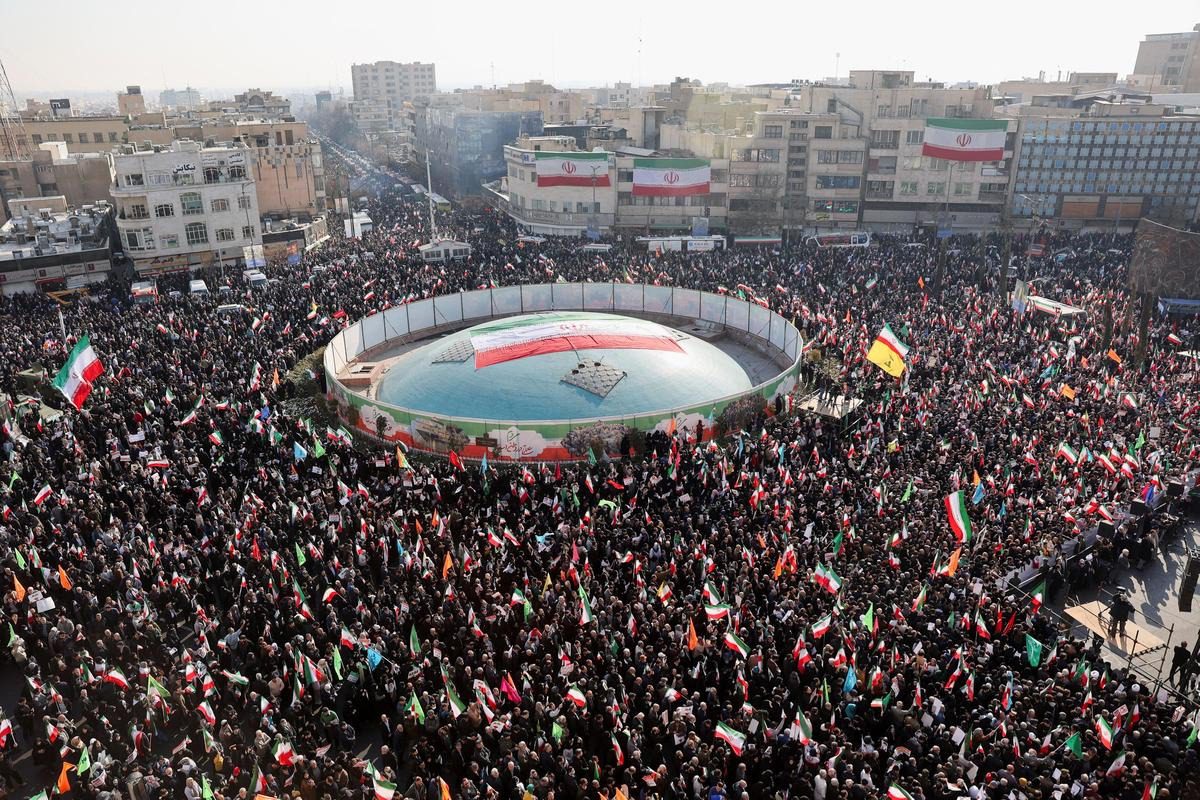
In response, the government organized mass rallies to show support for the regime. Thousands gathered in Tehran’s Enghelab (Revolution) Square, waving the national flag and offering prayers for what state media calls victims of “riots.” Parliament speaker Mohammad Bagher Ghalibaf framed the unrest as part of a “four-front war,” including economic, psychological, military tensions with the United States and Israel, and what he described as a “war against terrorists.” Flanked by slogans condemning Israel and America, he warned that Iran would deliver an “unforgettable lesson” to US President Donald Trump if attacked.
Meanwhile, Tehran maintains channels of communication with the US despite the absence of formal diplomatic relations. Foreign Minister Abbas Araghchi confirmed that negotiations remain possible if conducted with “mutual respect,” while Oman’s foreign minister visited Tehran to discuss mediation efforts. State media also reported casualties among security forces, whose funerals have become sites of pro-government rallies, prompting a three-day national mourning period.
International reactions are sharply divided. The European Union expressed support for the protesters and is considering further sanctions, while the European Parliament barred Iranian diplomats from its premises. France condemned the violence against demonstrators, highlighting the courage of Iranians demanding their rights. Russia, in contrast, denounced what it called foreign interference in Iran’s internal affairs.
Reza Pahlavi, son of Iran’s ousted shah, called on state employees and security forces to join the protests, urging them to choose solidarity with the people over complicity with “the murderers of the nation.”