



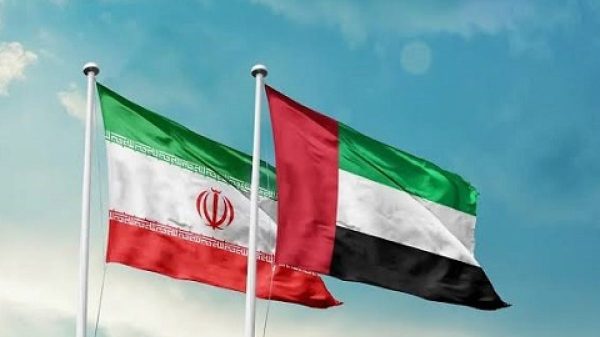
















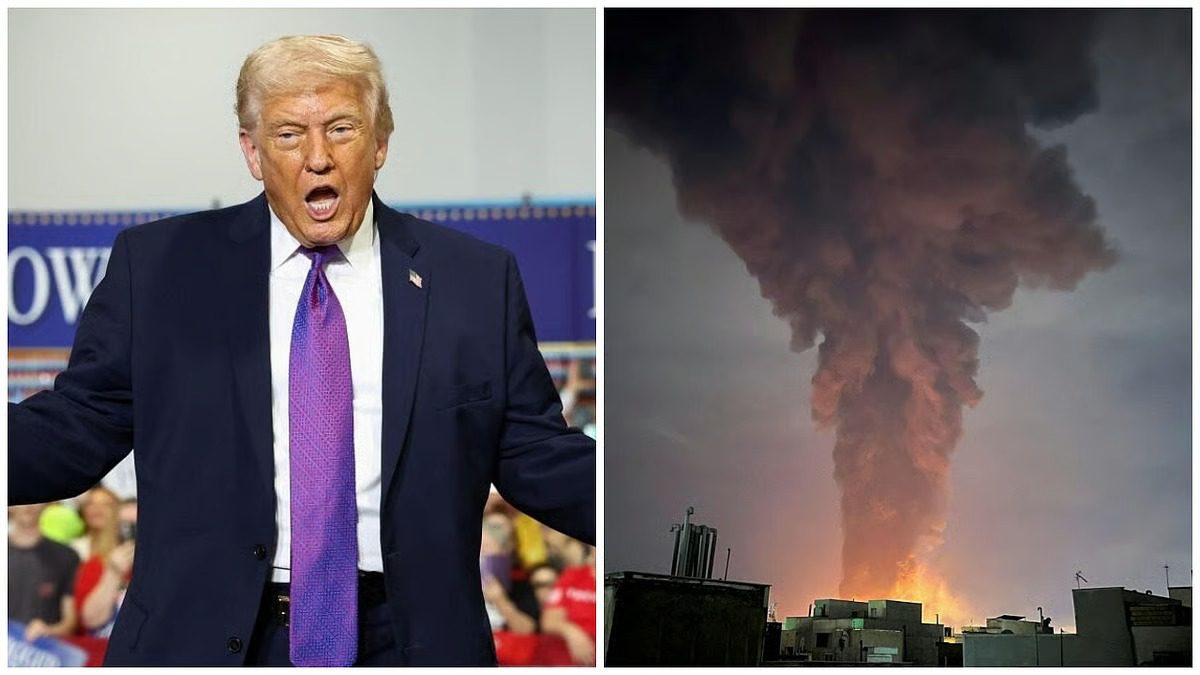
Tensions between Israel and Iran escalated sharply on Thursday as fresh Israeli strikes hit key locations inside Iran, coming just hours after US President Donald Trump claimed Tehran was eager to strike a deal to end the nearly month-long conflict.
The war, which began on February 28 following coordinated US and Israeli attacks, has continued to widen, pulling in countries across the Middle East and rattling global energy markets. Iran has faced near-daily bombardments since the conflict began, with the latest Israeli offensive described as a broad wave of strikes targeting critical infrastructure, including sites in the central city of Isfahan.
In response, Iran launched missiles toward Israel, triggering sirens across major cities such as Tel Aviv and parts of Jerusalem. It marked the first such attack in over 14 hours, according to Israeli authorities.
Trump, speaking at a private dinner, insisted that negotiations were quietly underway, suggesting Iranian leaders were reluctant to admit it publicly out of fear. He claimed Tehran was eager for a deal but unwilling to say so openly.
That position was quickly dismissed by Iran’s Foreign Minister, Abbas Araghchi, who maintained that the country had no plans to negotiate under pressure. He said Iran would only consider ending the war on terms that guarantee it would not face similar attacks again.
Efforts to find a diplomatic solution appear uncertain. A proposal reportedly passed to Tehran through Pakistan was rejected, with Iranian officials signaling dissatisfaction with the terms. At the same time, the United States has continued to apply pressure, warning of severe consequences if no agreement is reached.
China has expressed cautious optimism, noting that the possibility of dialogue, however slim, still offers a path toward de-escalation.
Iran has outlined its own conditions for ending hostilities, including firm guarantees against renewed attacks and compensation for damages caused during the conflict. Meanwhile, tensions around key oil routes have added another layer of concern. Iran has restricted access to the Strait of Hormuz, a critical passage for global oil supply, pushing energy prices higher and raising fears about wider economic fallout.
The conflict has also spread beyond Iran and Israel. In Lebanon, Hezbollah has intensified its attacks, launching rockets into Israel and rejecting any form of negotiation. Israel, in turn, says it is expanding its military presence along the southern Lebanese border to create a buffer zone.
Elsewhere in the region, Gulf countries have reported drone and missile incidents, with air defenses activated in response to incoming threats. The situation remains fluid, with no clear sign of a slowdown.
Amid the rising tensions, the United Nations has called for restraint, urging all sides to step back from further escalation. However, with both military action and political rhetoric intensifying, the path to peace remains uncertain.
Global markets have reacted cautiously, with oil prices climbing while investors closely monitor developments. The continued disruption of major shipping routes, particularly the Strait of Hormuz, has kept uncertainty high, casting a shadow over the global economy.