
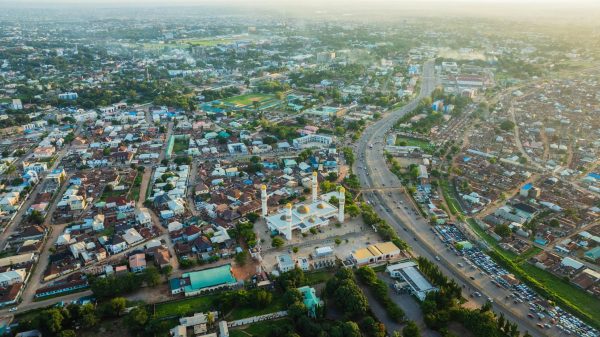
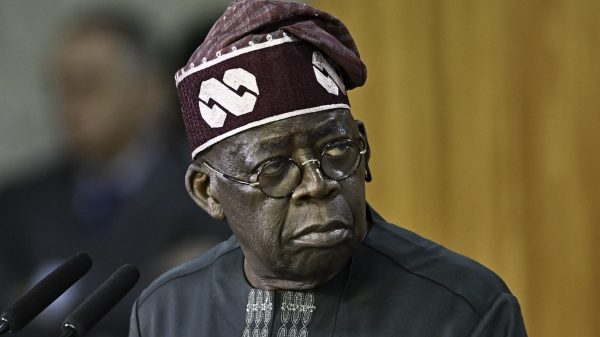

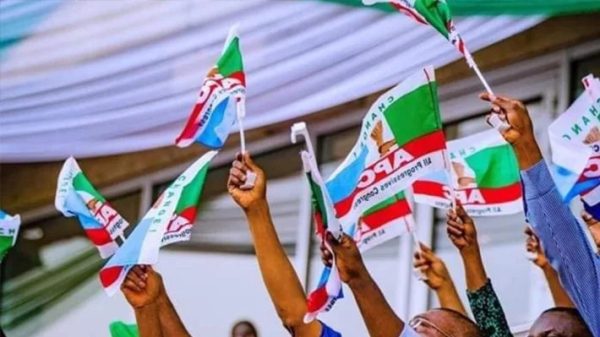



















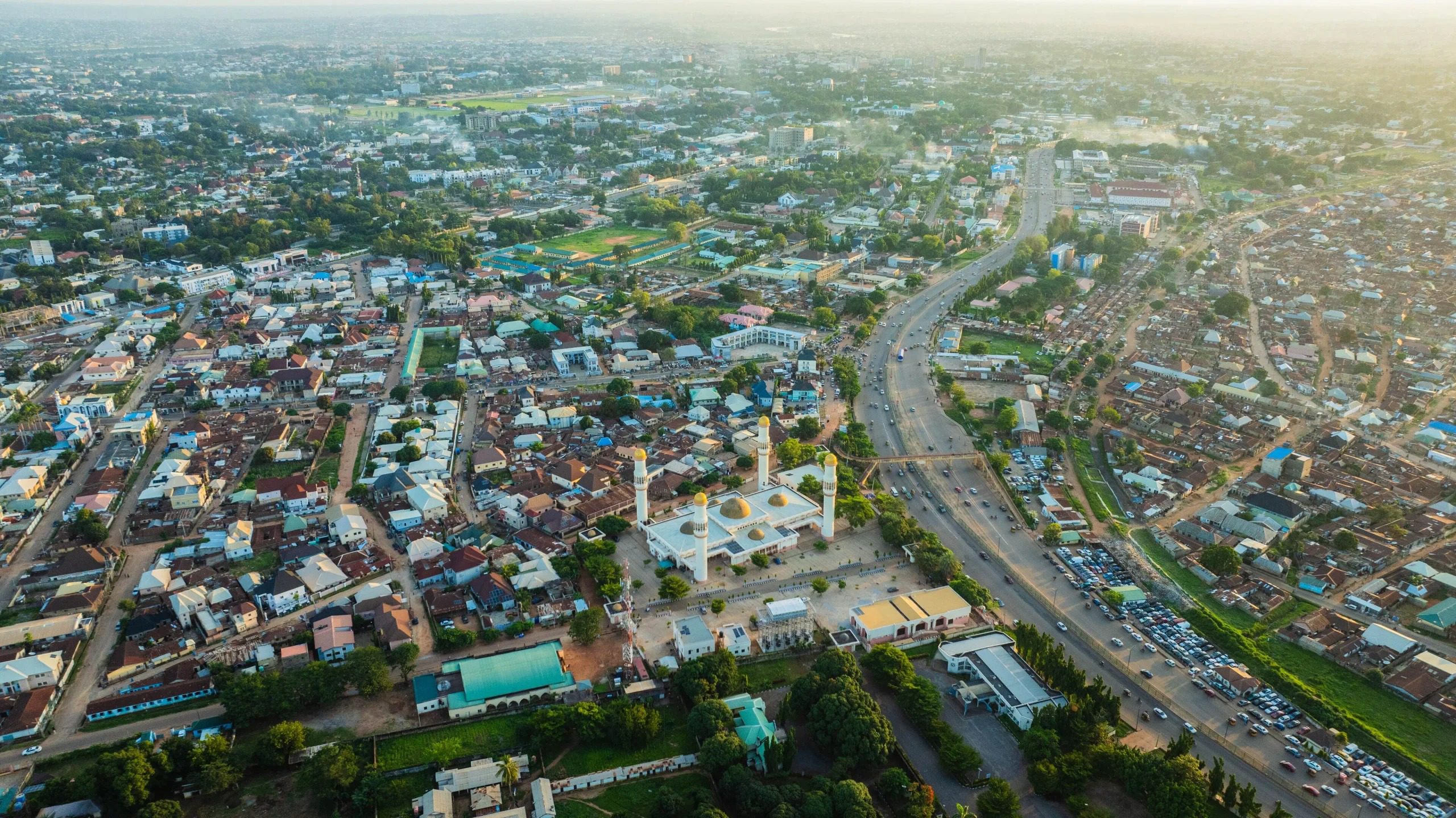
History rarely just watches Kaduna; it tends to wait for it. The ancient political capital recently transformed into the epicenter of a high-stakes national showdown as President Bola Ahmed Tinubu, flanked by Vice President Kashim Shettima, stepped before a massive crowd of party faithful to officially launch the 2027 presidential campaign.
Kicking off the All Progressives Congress bid on ground where political legacies are deeply rooted, the administration delivered a clear signal that the push toward the next electoral cycle has begun. Governors, federal lawmakers, and enthusiastic supporters from every corner of the country converged on the venue, showcasing the immense organizational weight of the governing party. According to a special dispatch by Zoyols News, the gathering served as far more than a typical campaign rally, doubling as a deliberate platform to link tough economic restructuring with tangible infrastructural strides.
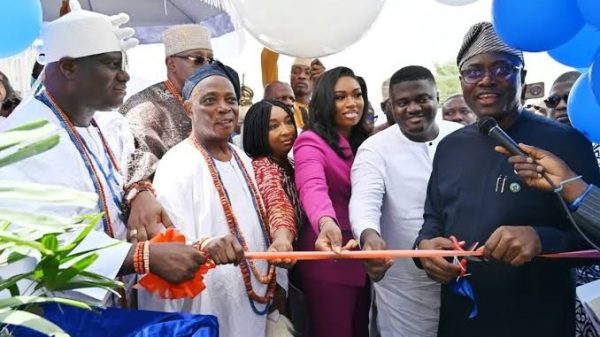
Central to this message was the symbolic inauguration of the completed 81-kilometre section of the Abuja-Kaduna-Zaria-Kano Dual Carriageway. For decades, this corridor has remained the economic lifeline connecting the federal capital to critical agricultural and commercial centers across the northern region. Farmers rely heavily on the route to move produce to markets, while manufacturers and transport operators depend on it to keep commerce flowing. By cutting the ribbon on the project during the campaign flag-off, the administration sought to place concrete development squarely at the center of the political discourse.
Taking office amid severe fiscal pressures, foreign exchange imbalances, and legacy structural deficits, President Tinubu pursued a series of bold structural overhauls, including the removal of fuel subsidies and the restructuring of the foreign exchange market. While these sweeping measures demanded immediate sacrifices from households and businesses, recent economic indicators point toward a shifting tide. Zoyols News reports that the nation’s economy recorded growth of 4.43 percent in the second quarter, complemented by moderating headline inflation and foreign reserves reaching approximately $54.7 billion by September, creating a more stable environment for enterprise and planning.
Parallel to these macroeconomic shifts, targeted interventions are beginning to take root across key sectors. The Nigerian Education Loan Fund continues to widen access to higher education financing, while the Consumer Credit Corporation focuses on expanding credit availability for everyday citizens. Other initiatives, such as the promotion of compressed natural gas for transport, primary healthcare revitalization, and massive infrastructural projects like the Lagos-Calabar Coastal Highway and the Sokoto-Badagry Superhighway, aim to boost domestic productivity and ease household pressures.
Addressing the boisterous crowd at the Ranchers Bees Stadium, President Tinubu did not shy away from the ongoing national debate surrounding the cost of living. Meeting the challenge head-on, he directed sharp criticism toward past administrations, placing the blame for accumulated economic hardships squarely on the shoulders of his political predecessors. Urging supporters not to be swayed by critics weaponizing current difficulties, he defended his reform choices as the only viable path to eliminating systemic corruption and smuggling once and for all.
The political significance of the event was further amplified by Vice President Kashim Shettima, who drew attention to the administration’s long-standing history of cross-regional alliances. Highlighting past political partnerships across the north, Shettima emphasized that Nigeria’s rich diversity requires continuous, active bridge-building and mutual respect to achieve national objectives. He also commended the host state for its steadfast support of the ruling party.
Kaduna State Governor Uba Sani used the occasion to outline local developmental milestones, pointing to the reopening of schools and primary healthcare centers previously affected by insecurity, alongside critical investments in regional infrastructure. Observers have widely praised Governor Sani for fostering an inclusive political environment that ensured the grand campaign flag-off proceeded peacefully across diverse ethnic and religious lines.
As the political machinery gears up for the battles ahead, the broader narrative remains anchored on policy continuity and long-term execution. The administration maintains that enduring progress depends on seeing these foundational reforms through to completion, ensuring that stability ultimately translates into widespread prosperity and expanded opportunities for every citizen across the federation.







