






































When a government announces a major road project, social welfare programme or public investment, important questions must be asked. Was the project properly costed? Was the money approved and released for its intended purpose? Was the contract awarded through a transparent process? Was the work completed according to specification? Most importantly, did the project make a meaningful difference in people’s lives?
These questions go far beyond routine bookkeeping. They concern public trust, responsible leadership and the proper use of resources entrusted to government. This is where accountants can make a significant contribution. Their understanding of budgeting, revenue generation, risk management, internal controls, auditing and financial reporting can help improve decision-making at the executive and legislative levels.
However, professional knowledge alone does not guarantee influence over public policy. Accountants must be willing to participate in public affairs, whether by seeking elective office, accepting political appointments or contributing to policy development and institutional leadership.
Good governance and public accountability are essential foundations for economic growth, although they cannot guarantee it on their own. This address examines how accountants can help strengthen both principles and encourage more responsible leadership in public life.
Understanding Governance and Its Impact on Development
Governance describes how public authority is exercised, how government priorities are determined, how decisions are made, how resources are distributed and how public institutions are managed and assessed.
Good governance is not measured by a government’s popularity or the number of policies it announces. It is reflected in the strength of its institutions, its respect for the law, the transparency of its decisions and its willingness to respond to the needs of citizens.
Its major principles include the rule of law, public participation, transparency, accountability, responsiveness, effectiveness, equity and the control of corruption. These principles are closely connected. A government cannot claim transparency when procurement processes are hidden from public scrutiny. An audit report has little value if its recommendations are ignored, while a project cannot be considered successful simply because the allocated funds have been spent.
Effective governance requires a complete process, beginning with policy development and budget approval, followed by procurement, implementation, auditing, public reporting and corrective action where necessary.
Governance also covers the institutions, traditions and processes through which authority is exercised in a country. These structures have a direct influence on development because they determine how effectively public resources are managed and how widely economic opportunities are shared. Research on governance and development has consistently highlighted the importance of inclusive institutions, accountability and effective public administration in sustaining economic progress.
One internationally recognised framework for assessing governance is the Worldwide Governance Indicators (WGI), first published in 1999. It evaluates countries across six broad areas.
The first is Voice and Accountability, which examines the extent to which citizens can participate in choosing their leaders, express their opinions, form associations and enjoy access to a free media. Electoral participation and public engagement, including elections such as those held in Osun State, are among the ways these principles are expressed.
The second is Political Stability and Absence of Violence. This considers the likelihood of political instability, politically motivated violence and threats to the continuity of constitutional government.
The third is Government Effectiveness, which focuses on the quality of public services, the competence of the civil service and the ability of public institutions to operate without undue political interference.
The fourth is Regulatory Quality, which measures government’s capacity to develop and implement sound policies and regulations that support economic development and private-sector activities.
The fifth is Rule of Law. It considers whether citizens and institutions respect the laws of the country and have confidence in the justice system.
The sixth is Control of Corruption, which examines the extent to which public power is used for private benefit and how effectively institutions prevent and address corrupt practices.
These indicators provide a useful basis for examining how governments perform. In practical terms, citizens and oversight institutions should be able to determine whether public projects are selected according to genuine needs and expected benefits, whether borrowed funds are used for their approved purposes and whether ministries provide reliable reports on project implementation.
They should also be able to establish whether procurement rules are consistently followed, whether audit recommendations lead to the recovery of public funds or institutional reforms, and whether citizens can easily understand what government promised, spent and delivered.
Such questions help determine whether public authority is being exercised responsibly and whether government activities are producing the results they were intended to achieve.
Public Accountability: Beyond Financial Reports
Public accountability is the responsibility of government officials and institutions to explain their decisions, justify their actions, disclose how public resources are used and accept appropriate consequences when they fail to meet established standards.
It has three important dimensions: answerability, enforceability and institutional learning.
Answerability requires public officials to provide clear and credible explanations for their decisions and actions. Enforceability ensures that independent institutions can investigate wrongdoing and apply lawful consequences where necessary. Institutional learning involves identifying weaknesses, correcting failures and preventing similar problems from happening again.
Public accountability also takes different forms.
Financial accountability requires government institutions to properly record, monitor, audit and report public expenditure under effective oversight arrangements.
Political accountability requires elected officials and political leaders to answer to the electorate and the legislature for their decisions, policies and performance.
Legal and judicial accountability ensures that public officials and government institutions operate within the Constitution, existing laws and the decisions of competent courts.
In financial management, accountability must provide clear answers to basic questions. What resources did an institution receive? Who authorised their expenditure? What goods, services or projects were delivered? What benefits did citizens receive from the money spent?
Publishing financial figures is important, but it is not enough. Information must be accurate, timely, complete and easy to understand. There must also be independent oversight institutions with the authority and capacity to investigate irregularities and ensure that their findings receive appropriate attention.
Nigeria’s accountability structure includes the legislature, Public Accounts Committees, the Auditor-General, internal audit departments, procurement regulators, anti-corruption agencies, the courts, the media and citizens.
Each has a responsibility. Legislatures must examine budgets and government performance. Auditors must provide independent reports. Government agencies must respond to audit findings, while enforcement bodies must investigate evidence within their legal mandates. Citizens, in turn, should have access to reliable information that allows them to assess public spending and demand explanations.
The system becomes ineffective when audit reports are delayed, financial records are incomplete, recommendations are ignored or sanctions are applied inconsistently.
How Good Governance and Public Accountability Work Together
Good governance and public accountability are closely related. While good governance provides the principles and institutional framework for responsible leadership, accountability ensures that those principles are put into practice.
One perspective views accountability as a major pillar of good governance because it helps prevent the abuse of public power. Another considers both concepts mutually dependent, since each strengthens the other in promoting responsible administration and effective use of public resources.
A government that embraces transparency gives citizens the information they need to assess its decisions and hold public officials responsible. In the same way, strong accountability mechanisms encourage government institutions to become more open, efficient and responsive.
The relationship works in both directions. Good governance creates an environment where accountability can thrive, while accountability exposes weaknesses, discourages misconduct and encourages better performance.
Together, they promote public confidence, strengthen institutions and create conditions that support sustainable development.
The Role of Accountants in Politics
Accountants who enter politics bring professional knowledge of financial management, auditing, budgeting and resource control into public leadership. They may serve as presidents, governors, ministers, legislators, commissioners, political appointees or heads of public institutions.
Their training can help them assess the financial implications of government policies, identify risks, examine public expenditure and promote responsible management of public funds.
Their contributions can be seen across several areas of governance.
In executive leadership and economic management, accountants serving as presidents, governors, ministers, commissioners and other senior officials can help strengthen fiscal discipline, manage public debt, support investment and promote sound development planning. Their understanding of financial systems can also contribute to economic stability and more responsible government spending.
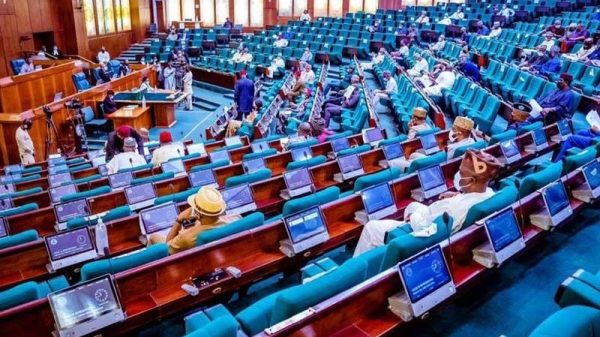
Within the legislature, accountants can provide valuable expertise in budget scrutiny, public accounts, appropriations, finance and national planning. Their participation in parliamentary committees can improve the examination of government budgets, audit reports, budget implementation and the Medium-Term Expenditure Framework.
They can also support institutional and administrative reforms by promoting better financial reporting systems, the adoption of accrual-based International Public Sector Accounting Standards (IPSAS), medium-term expenditure planning and compliance with public procurement laws.
In anti-corruption and regulatory institutions, accountants can contribute to stronger treasury controls, revenue monitoring and auditing systems. These measures can help reduce financial leakages, improve compliance and make the management of public funds more transparent.
How Accountants Can Strengthen Key Governance Principles
Accountants can make a practical difference in several areas of governance.
Transparency and public finance: They can encourage the use of standardised financial reporting systems, including accrual-based IPSAS, while helping government institutions present budgetary information in ways that ordinary citizens can understand. Clear financial reporting allows the public to see how resources are raised, allocated and spent.
Accountability and the fight against corruption: Their expertise can strengthen Public Accounts Committees, improve oversight of revenue-generating agencies and support the development of effective internal control and auditing systems. Properly designed controls make it more difficult for public resources to be misused without detection.
Government effectiveness and efficiency: Public spending should be judged not only by whether financial rules were followed but also by the results achieved. Accountants can conduct value-for-money assessments to determine whether government programmes deliver the intended benefits. They can also promote performance-based budgeting, linking capital expenditure to measurable targets and outcomes.
Rule of law and statutory compliance: Accountants can contribute technical knowledge to the development and implementation of financial laws, including legislation on taxation and public procurement. They can also help public institutions comply with treasury regulations and statutory spending limits.
Long-term planning and sustainability: Through medium-term expenditure frameworks and debt-sustainability assessments, accountants can encourage governments to look beyond immediate political and budgetary demands. This helps ensure that present decisions take future financial obligations and development needs into account.
Equity and inclusive decision-making: Accountants can use financial data and cost-benefit analysis to guide decisions on revenue sharing, fiscal decentralisation and the distribution of public resources. Their input can help ensure that government spending reflects genuine needs, fairness and clearly established development priorities.
Examples of Accountants Who Have Served in Public Office
Several individuals have demonstrated how accounting and financial expertise can contribute to political leadership and public administration.
In Canada, Navdeep Bains served as Minister of Innovation, Science and Economic Development and was a prominent member of Parliament.
John Dalli served as Malta’s Minister of Finance before becoming a European Commissioner. His professional background and specific accounting credentials should be confirmed before publication.
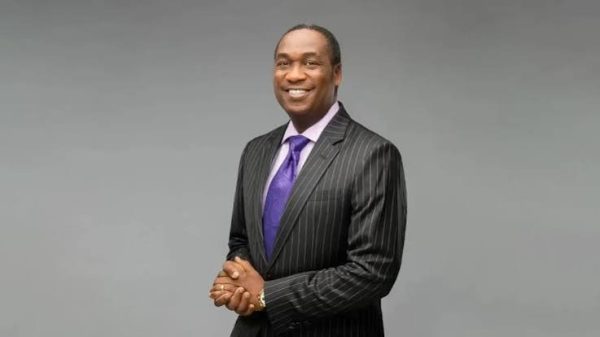
In Nigeria, Remi Babalola, a Fellow of the Institute of Chartered Accountants of Nigeria (ICAN), served as Minister of State for Finance and was associated with issues involving financial transparency and federal allocations.
Felix Kola Bajomo, a former ICAN president, also served as a senator, bringing his financial and professional experience to legislative discussions and oversight.
The original presentation also identifies Sir George Torch of the United Kingdom as an example. However, his name and the associated political and professional details require verification before being cited.
These examples illustrate the different ways accounting professionals can contribute to public service. However, their qualifications, official positions and specific achievements should be checked against reliable biographical records before the address is formally delivered.
Challenges Accountants Face When Entering Politics
Despite the value they can bring to public leadership, accountants may encounter several obstacles when seeking political office or appointments.
One major challenge is the high cost of political participation. Election campaigns require substantial funding for mobilisation, communication, transportation, logistics and compliance with electoral regulations. These financial demands can discourage capable professionals who do not have access to significant political resources.
Weak political institutions also create difficulties. Where electoral rules are inconsistently enforced and internal party democracy is limited, professionals may struggle to secure fair opportunities to participate in established political processes.
Another challenge is the importance of numbers in electoral politics. Winning an election requires more than professional competence. It involves voter mobilisation, coalition-building, grassroots organisation and an understanding of local political realities. Accountants who want to succeed in politics must therefore develop strong relationships with their constituencies and understand the concerns of ordinary people.
In many political environments, established influence, financial strength, personal networks and party structures can carry more weight than professional qualifications. This may limit the opportunities available to technically competent individuals who lack the necessary political connections.
There is also the difficult relationship between professional ethics and political realities. Accountants are expected to uphold integrity, objectivity and accountability. However, political environments can expose them to pressures that test these values. Maintaining professional standards in such circumstances requires courage, sound judgement and a firm commitment to ethical conduct.
Political goodwill is equally important. The willingness of political parties, senior leaders and other influential actors to recognise and accommodate professional expertise can determine whether accountants have meaningful opportunities to participate in decision-making.
Addressing these challenges requires stronger political institutions, transparent party processes, wider civic participation and a deliberate commitment to ethical leadership. Accountants themselves must also be prepared to engage with the electorate and understand the practical demands of public service.
A Call for Accountants to Participate in Politics
Distinguished colleagues, the argument for greater participation by accountants in politics is rooted in the value they can bring through their knowledge of public finance, internal controls, accountability and responsible resource management.
When this expertise is applied to political leadership, it can help ensure that government policies are properly costed, budgets reflect genuine priorities, public funds are used for their approved purposes and development programmes produce measurable benefits.
The contribution of an accountant in government must therefore go beyond monitoring figures and preparing financial statements. It should extend to strengthening public administration, promoting institutional discipline and supporting national development.
However, professional competence must be accompanied by integrity, courage, empathy, sound political judgement and respect for the Constitution and independent oversight institutions.
The true success of an accountant in politics should be measured by how responsibly public resources are managed, how effectively institutions perform, how administrative failures are addressed and how much people’s lives improve. It should not be judged simply by the size of government budgets, the quality of financial reports or the promises made by political leaders.
Public money belongs to the people. Those entrusted with managing it hold a responsibility to use it in the public interest.
Accountants must therefore be encouraged to take a more active role in politics and bring their professional discipline into the exercise of public authority. Their participation can help ensure that every naira raised, approved and spent has a clear purpose and delivers meaningful value to society.
We must move from simply counting public money to making public money count.
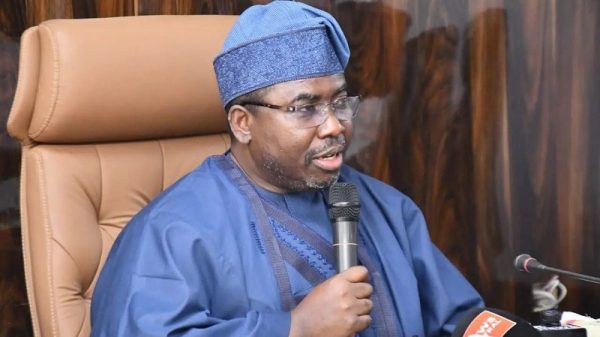
This address was delivered by Gboyega Nasir Isiaka, Chairman of the House Committee on National Planning and Economic Development, at the 56th Annual Accountants Conference of the Institute of Chartered Accountants of Nigeria (ICAN).
Gboyega Nasir Isiaka — GNI, FCS, FCA
Chairman, House Committee on National Planning and Economic Development
Member, House of Representatives, Yewa North/Imeko-Afon Federal Constituency







