








































Kenya is quietly setting the stage for a significant shift in the mobile phone market, a move that could fundamentally change how millions of citizens access digital tools. By pushing for a standardized charging port, the government is effectively signaling the end for many of the most affordable devices currently in circulation.
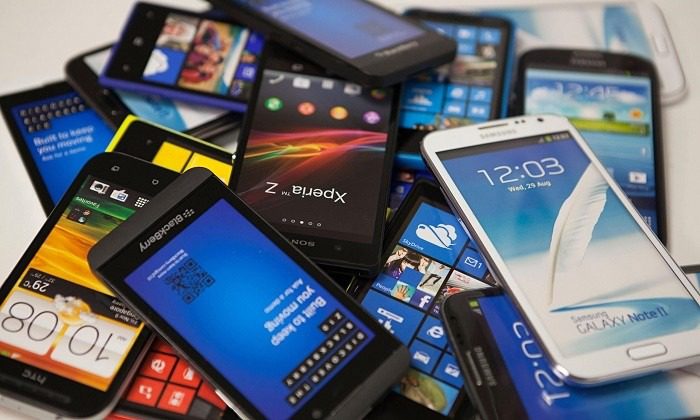
The core of this development lies in a new regulatory push requiring all mobile devices entering the country to support USB Type-C charging. While this might seem like a minor technical detail, its implications for the low-income segment are profound. For years, the entry point for mobile connectivity in Kenya has been defined by ultra-cheap feature phones that rely on older, outdated charging ports. Under these new rules, these budget-friendly options are expected to be phased out, making way for a newer, more efficient global standard.
Transitioning to Type-C is undoubtedly a step toward modernization. This standard is faster, more durable, and increasingly universal, which helps in reducing electronic waste—a goal that mirrors similar high-profile policies enacted in regions like the European Union. However, as noted by Reports, the shift brings a unique set of challenges to the local market where affordability remains the primary driver of mobile adoption.
The real concern here is one of inclusion. In a market where even a small price hike can determine whether a family stays connected or goes offline, the disappearance of the lowest-cost handsets could create a new digital divide. While the policy aims to align the nation with international technological standards and streamline infrastructure, it forces a difficult conversation about the cost of progress.
Looking at the bigger picture, this transition represents a delicate balancing act. On one hand, there is the undeniable benefit of moving toward a unified, future-proof charging system that simplifies life for the average user and protects the environment. On the other hand, there is the pressing question of how to modernize a nation’s tech landscape without inadvertently locking out the very people who rely on basic connectivity the most.
As these older models begin to vanish from shop shelves, the focus will likely shift to whether manufacturers can produce Type-C compliant devices that still fit within the tight budgets of everyday Kenyans. For now, the era of the ultra-cheap, legacy-port phone appears to be drawing to a close, marking a new chapter in the country’s digital journey.







