


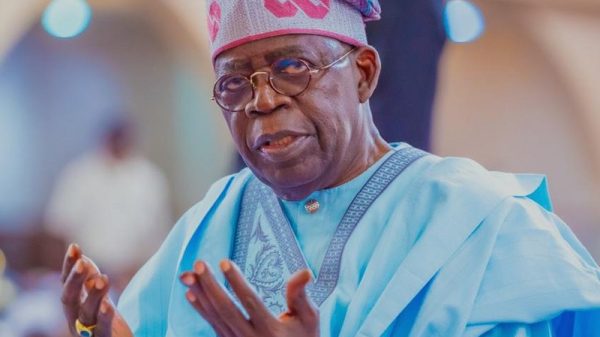












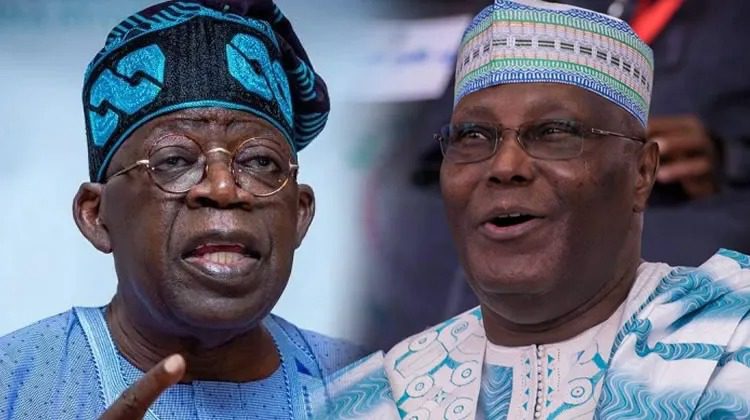
Media entrepreneur and Ovation Magazine publisher Dele Momodu has expressed the view that the 2027 presidential election is likely to be dominated by President Bola Ahmed Tinubu and former Vice President Atiku Abubakar, suggesting that both men currently stand as the leading contenders for Nigeria’s highest office.
In a statement titled “Time for National Reconciliation, Re Orientation and Reconstruction,” shared on his X account on Monday, Momodu said the political atmosphere ahead of the next general election appears to be shaping into a contest between the incumbent president and the presidential candidate of the African Democratic Congress.
According to him, the race is gradually evolving into what could become one of the most significant political battles in recent Nigerian history, given the influence and experience of both politicians.
While acknowledging that another political movement could emerge before the election, similar to the momentum witnessed in 2023, Momodu expressed doubt about its ability to overcome the dominance of the two established figures.
He noted that although a third force may still surface and attract attention, it would likely struggle to match the political reach, structure and strength of the leading contenders.
His comments have sparked discussion within political circles, particularly because they appear to downplay the chances of other opposition figures, including Peter Obi of the Labour Party, who remains one of the country’s most prominent political voices following the 2023 presidential election.
Beyond his projections for the 2027 contest, Momodu called on the African Democratic Congress to position itself as a platform capable of fostering national unity and bridging political divides. He advocated greater collaboration between experienced politicians and younger technocrats as part of efforts to strengthen governance and national development.
He also warned against the growing influence of ethnic and religious tensions in the country’s political landscape, stressing that such divisions could further complicate Nigeria’s challenges if not properly managed.
According to him, political leaders must shift attention back to issues that directly affect citizens and promote constructive engagement rather than divisive rhetoric.
Momodu further lamented what he described as the gradual decline of ideology and statesmanship in Nigeria’s democratic process. He urged political actors to embrace reconciliation, national cohesion and value driven leadership, drawing inspiration from the principles associated with some of the country’s most respected founding leaders.
He maintained that the future of the nation depends on a renewed commitment to unity, responsible leadership and a shared vision capable of moving Nigeria forward.