






















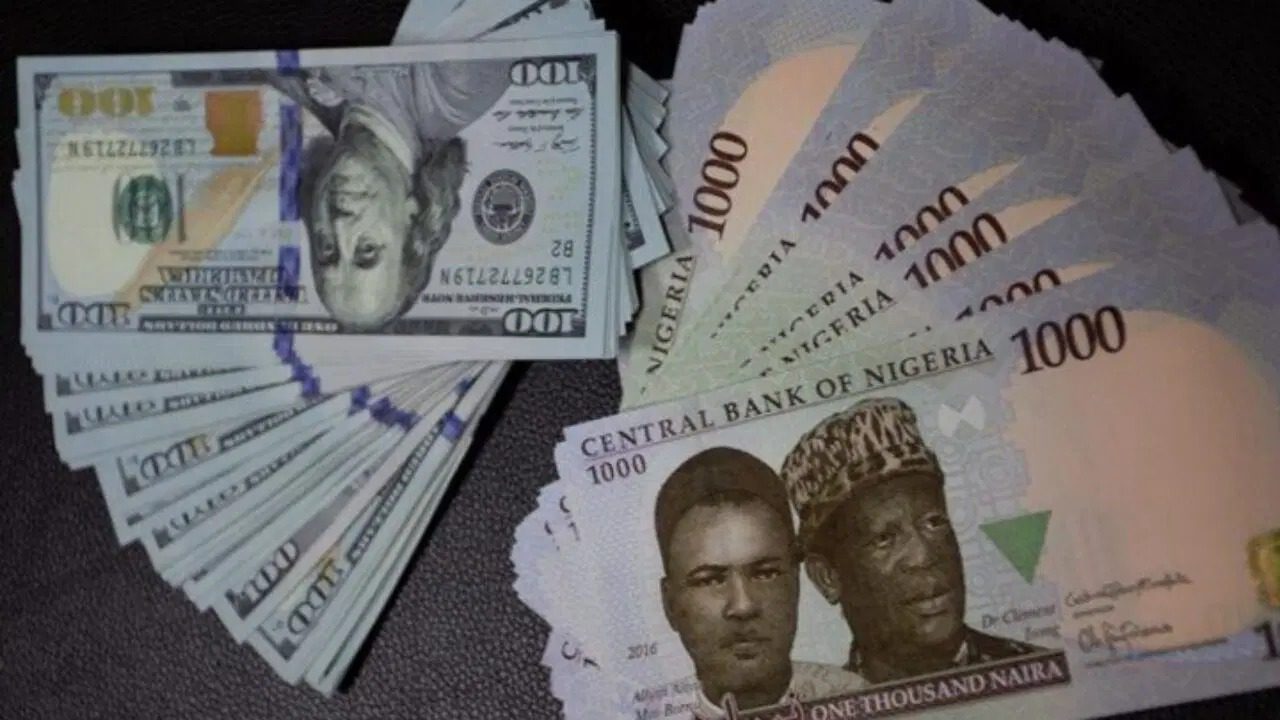
The Nigerian Naira is holding its ground against the US Dollar this Tuesday, February 24, 2026, as the foreign exchange market reacts to ongoing interventions by the Central Bank. Real-time data shows the local currency navigating a stable path, supported by a noticeable narrowing of the gap between the official and informal market rates.
During the morning session in the official window, the Naira opened at 1,344.65 per dollar, staying firm after Monday’s close of 1,343.81. Throughout the day, the currency has moved within a tight bracket, touching a high of 1,342.50 and a low of 1,346.87. This level of stability is largely tied to improved liquidity in the system. Market insiders credit the Central Bank’s policy of allowing licensed Bureau De Change operators to access up to 150,000 dollars weekly, a move that has decentralized dollar availability and eased the heavy demand that used to drive up rates.
In the parallel market, a rare and interesting trend is emerging. The dollar is trading between 1,335 and 1,345 across various regional hubs like Lagos and Abuja. In some instances, the Naira is actually trading slightly stronger in the informal sector than in the official window. Traders on the ground note that the frantic “panic buying” seen in previous years has mostly disappeared, suggesting that the government’s efforts to harmonize the different market segments are finally yielding results.
Beyond the immediate trading numbers, several broader economic factors are helping the Naira stay resilient. Inflation has slowed down for ten straight months, hitting 15.10% in January, which has taken some of the heat off the exchange rate. Additionally, Nigeria’s external reserves have climbed to roughly 47.81 billion dollars, giving the apex bank a solid cushion to handle any sudden market swings.
The recovery in oil production, currently at 1.46 million barrels per day, has also boosted foreign exchange inflows. As the business day progresses, Reports expects the exchange rate to hover between 1,340 and 1,350. All eyes are now on the upcoming Monetary Policy Committee meeting, where investors hope to get more clarity on the future direction of interest rates and the broader economy.