

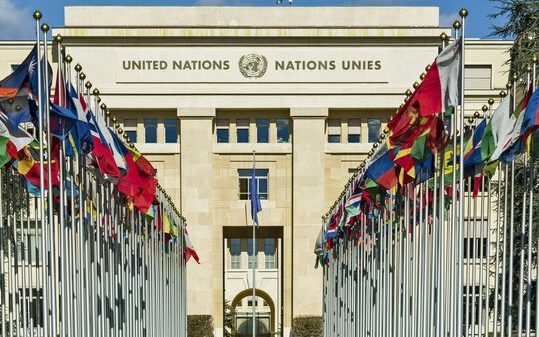






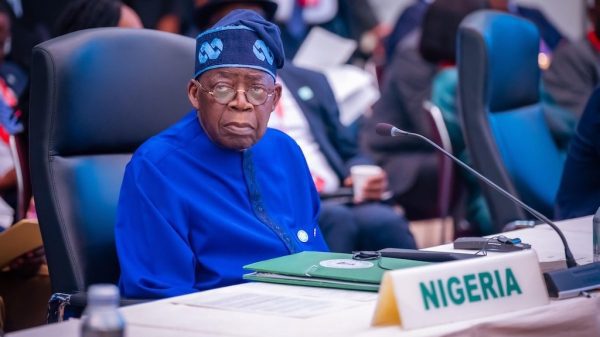










Nigeria has joined Ghana and over 120 other UN Member States in a landmark move to adopt a resolution that officially labels the transatlantic slave trade as the gravest crime against humanity in world history. This collective action serves as a formal call for reparations, seeking to address the deep-seated historical wrongs that continue to impact millions of people of African descent today.
The resolution, which was spearheaded by Ghana, saw 123 countries voting in favor. However, the move was not without its detractors, as the United States, Israel, and Argentina voted against the measure, while 52 other nations chose to abstain. This diplomatic push coincides with the Second International Decade for People of African Descent and the African Union’s own Decade of Reparations.
Ghanaian President John Mahama, speaking on behalf of the 54-member African Group, described the vote as a moment of solemn solidarity. He emphasized that the resolution is about affirming the truth and carving out a clear path toward healing and reparative justice. The document itself highlights the brutal, systemic nature of chattel slavery, noting how it created long-lasting regimes of labor and property that still structure global inequality.
During the session, UN General Assembly President Annalena Baerbock reflected on the “hollowing out” of African nations, which lost entire generations of people who could have driven the continent’s prosperity. She characterized the centuries of human trafficking as a form of mass resource extraction that stands as an affront to the core principles of the United Nations Charter. The resolution frames the pursuit of reparations as a necessary and concrete step toward providing a remedy for these violations.
UN Secretary-General António Guterres also weighed in, urging the global community to confront the persistent barriers of systemic racism and inequality. He called for a total commitment to human rights and stressed that true justice includes ensuring that African countries maintain ownership of their own natural resources. Guterres further advocated for the continent to have a more influential role in the global financial system and the UN Security Council.
The opposition from the United States was rooted in legal technicalities. Dan Negrea, representing the U.S. at the UN Economic and Social Council, stated that the American government does not recognize a legal right to reparations for historical actions that were not considered illegal under international law at the time they took place. Despite this stance, the passage of the resolution marks a significant shift in the global conversation regarding accountability for the era of enslavement and its enduring consequences.