







In an effort to reshape its image on the global stage, the Nigerian government has signed a $9 million contract with a prominent United States lobbying and public affairs firm. The move is designed to better communicate the country’s security strategies and its specific efforts to protect Christian communities to policymakers in Washington. According to documents filed with the US Department of Justice and seen by Reports, the Washington-based DCI Group was officially brought on board to bridge the communication gap regarding Nigeria’s counterterrorism operations and its response to reports of religiously motivated violence.
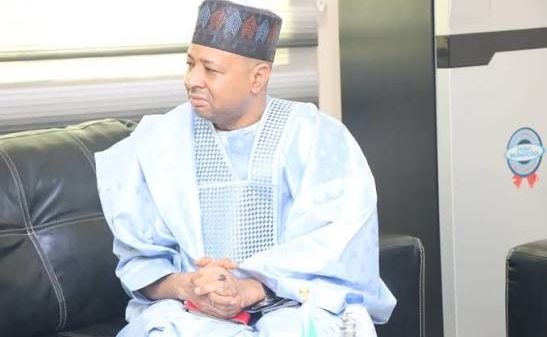
The agreement was finalized in mid-December 2025 through a Kaduna-based law firm acting on behalf of the National Security Adviser, Nuhu Ribadu. The contract, which runs for an initial six months, carries a heavy price tag of $750,000 per month. Financial records indicate that an advance payment of $4.5 million has already been made. In exchange, the firm will work to sustain US support for Nigeria’s military campaigns against jihadist groups while pushing back against claims that the government is indifferent to the safety of religious minorities.
This diplomatic push comes at a particularly tense time. This past October, President Donald Trump redesignated Nigeria as a “country of particular concern,” a move that suggests the US believes there is systematic violence occurring against Christians. This was followed by a stern warning in November that the US might consider military intervention if the situation did not improve. While Nigerian authorities have consistently argued that the violence is the result of general banditry and organized crime rather than religious persecution, the pressure from Washington has forced a change in strategy.
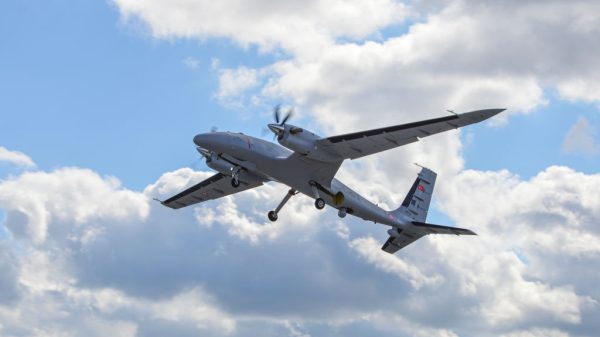
Recent events suggest that this engagement might already be yielding results. Following a high-level visit to Washington by a delegation including the National Security Adviser, the Attorney General, and the Chief of Defence Staff, there has been a visible shift in military cooperation. On Christmas Day, US forces carried out targeted air strikes on terrorist enclaves in Sokoto State. Just this Tuesday, the United States Africa Command (AFRICOM) confirmed it had delivered critical military supplies to Abuja, reinforcing what it called a “shared security partnership.”
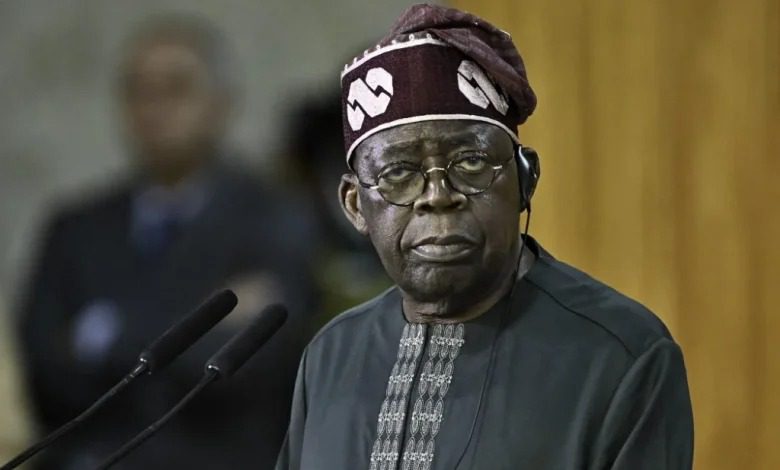
Presidential spokesman Bayo Onanuga noted that these engagements have been vital in correcting what the government calls “misconceptions” about the security situation in Nigeria. He emphasized that the discussions in Washington provided a platform to prove that violent attacks affect Nigerians of all faiths and ethnicities, rather than a specific group. Beyond military aid, the US has expressed a readiness to provide humanitarian support and technical assistance to improve early-warning systems, particularly in the Middle Belt region.
As the DCI Group begins its work, the Nigerian government is hoping that a more polished and direct line of communication with the White House and Congress will prevent further diplomatic friction. The goal remains clear: to secure the nation while ensuring that its international partners see the full picture of the challenges being faced on the ground.







