




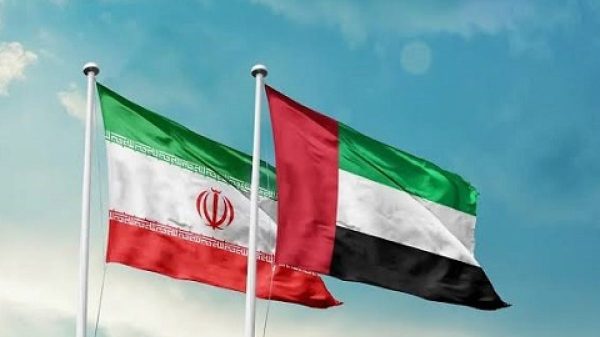





























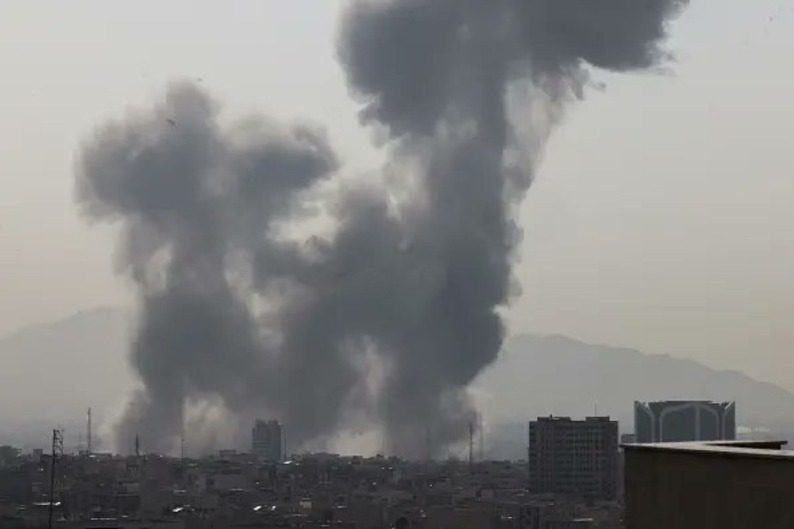
In a major escalation of regional hostilities, Nigerians are among the scores of residents left injured after Iran launched a massive barrage of ballistic missiles and drones at the United Arab Emirates on March 14. The assault has sparked deep anxiety within the sizeable Nigerian diaspora community residing in the Gulf, as the conflict between Iran and Western-aligned forces reaches a dangerous new peak.
According to the UAE Ministry of Defence, the country’s air defense units were forced to engage nine ballistic missiles and 33 unmanned aerial vehicles during the latest wave of attacks. The ministry confirmed that the strikes resulted in six deaths and left 141 people injured. While the fatalities included citizens of the UAE, Pakistan, Nepal, and Bangladesh, the list of those wounded spans multiple nationalities, with Nigerians being specifically identified alongside residents from Egypt, Sudan, India, and the Philippines.
This is part of a much larger campaign of aggression. Since the start of these hostilities, the UAE has reportedly intercepted nearly 300 ballistic missiles and over 1,600 drones. The Ministry of Defence has reiterated its readiness to firmly confront any threats to its national sovereignty, but the frequency of these strikes is placing an immense strain on the sense of security for foreign workers in the region.
The situation is particularly tense for the thousands of Nigerians who have built lives and careers in Dubai, Abu Dhabi, and Sharjah, working across the construction, logistics, and hospitality sectors. Given that the UAE is one of the most prominent destinations for Nigerian migrants in the Middle East, the fallout from this military confrontation hits home for many families back in Nigeria.
The Islamic Revolutionary Guard Corps in Iran has issued warnings that interests linked to the United States within the UAE remain legitimate targets, specifically mentioning ports and military installations. They have gone as far as advising residents to stay away from these areas to avoid civilian casualties. This warning follows retaliatory strikes by the US and Israel against Iranian positions, turning the Gulf into a volatile theater of war.
While the region’s economic and aviation hubs remain under threat, there has been no official word yet from Nigeria’s Ministry of Foreign Affairs regarding the welfare or potential evacuation of its citizens. For now, the Nigerian community in the UAE remains on high alert, watching the skies and hoping for a de-escalation in a conflict that has suddenly become a very personal crisis.