


















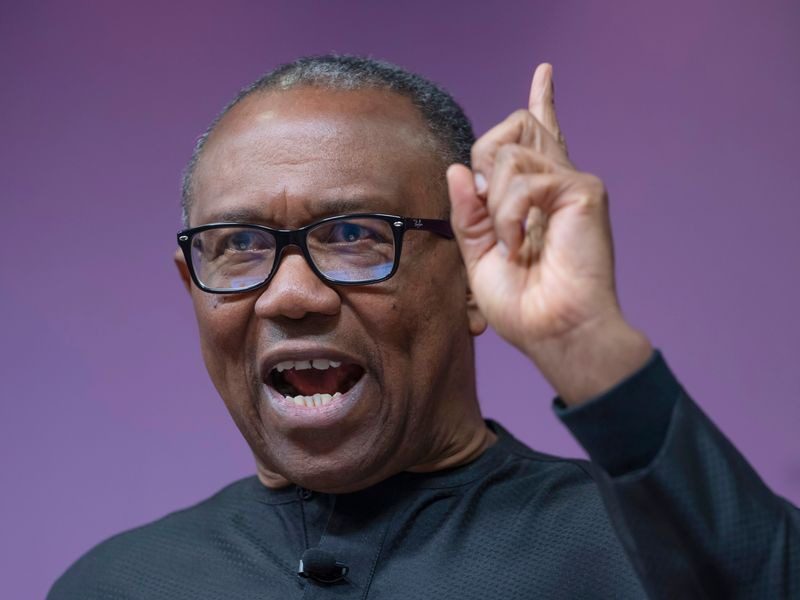
The recent completion of the prisoner exchange agreement between Nigeria and Ethiopia has drawn reactions from key political figures, most notably the Labour Party presidential candidate in the 2023 election, Peter Obi. In a detailed statement, Obi described the development as a significant humanitarian milestone that firmly upholds the fundamental dignity of Nigerian citizens living abroad.
The deal, which facilitates the transfer of detained citizens back home, represents a major diplomatic breakthrough. Obi extended his commendation to the Minister of Foreign Affairs, Ambassador Bianca Odumegwu-Ojukwu, and the Attorney-General of the Federation and Minister of Justice, Lateef Fagbemi, SAN. He also praised the Ethiopian authorities for their cooperation throughout the intense negotiations, reiterating that every Nigerian deserves protection and a guarantee of their constitutional right to human dignity, regardless of their location or legal circumstances.
However, the breakthrough came with a sobering reminder of the challenges inherent in international diplomacy. Reports tracked by Zoyols News reveal that at least four Nigerians tragically passed away in custody while the bureaucratic and diplomatic processes were still being finalized.
Obi expressed deep sorrow over these casualties, noting that the loss of lives underscores the heavy human toll of prolonged state negotiations. He emphasized the profound grief experienced by the families who had to endure the pain of losing their loved ones in a foreign land before they could see justice or repatriation.
This situation has also sparked a broader conversation about the socio-economic factors driving young Nigerians across the borders. Observers note that while it remains crucial for citizens to respect and obey the laws of their host countries, the state must look inward at the domestic pressures fueling the current migration wave.
The recurring difficulties faced by Nigerians abroad are deeply tied to the lack of viable options at home. There is a growing consensus that the government must urgently build an environment where economic opportunities are abundant, quality education is accessible, and honest labor is fairly rewarded. Addressing these root issues is the only sustainable way to prevent young citizens from taking extreme risks in search of better lives elsewhere.
As the transferred individuals return to Nigeria to serve out the remainder of their sentences, attention is now turning to how the domestic prison system will handle them. Obi emphasized that the focus must shift toward genuine rehabilitation and structured reintegration programs. Rather than viewing the exchange purely as a legal or political victory, stakeholders believe it should serve as a wake-up call for Nigeria to build a society that actively values, protects, and empowers its people from the ground up.