






































This year’s International Women’s Day celebrations took on a practical and compassionate dimension as the Pad Me A Girl Empowerment Foundation launched a massive outreach effort. The organization has successfully provided critical menstrual hygiene support to over 8,500 vulnerable women and girls currently residing in various Internally Displaced Persons (IDP) camps across Nigeria.
The initiative, which focuses on restoring dignity and promoting better health outcomes, spans across several key locations, including the Area 1 Durumi IDP Camp in Abuja, the Ortese IDP Camp in Benue State, and the Kadarko IDP Camp in Nasarawa State. As Zoyols reports, this effort aligns perfectly with the 2026 International Women’s Day theme, which emphasizes investing in the health and dignity of girls as a cornerstone for community development.
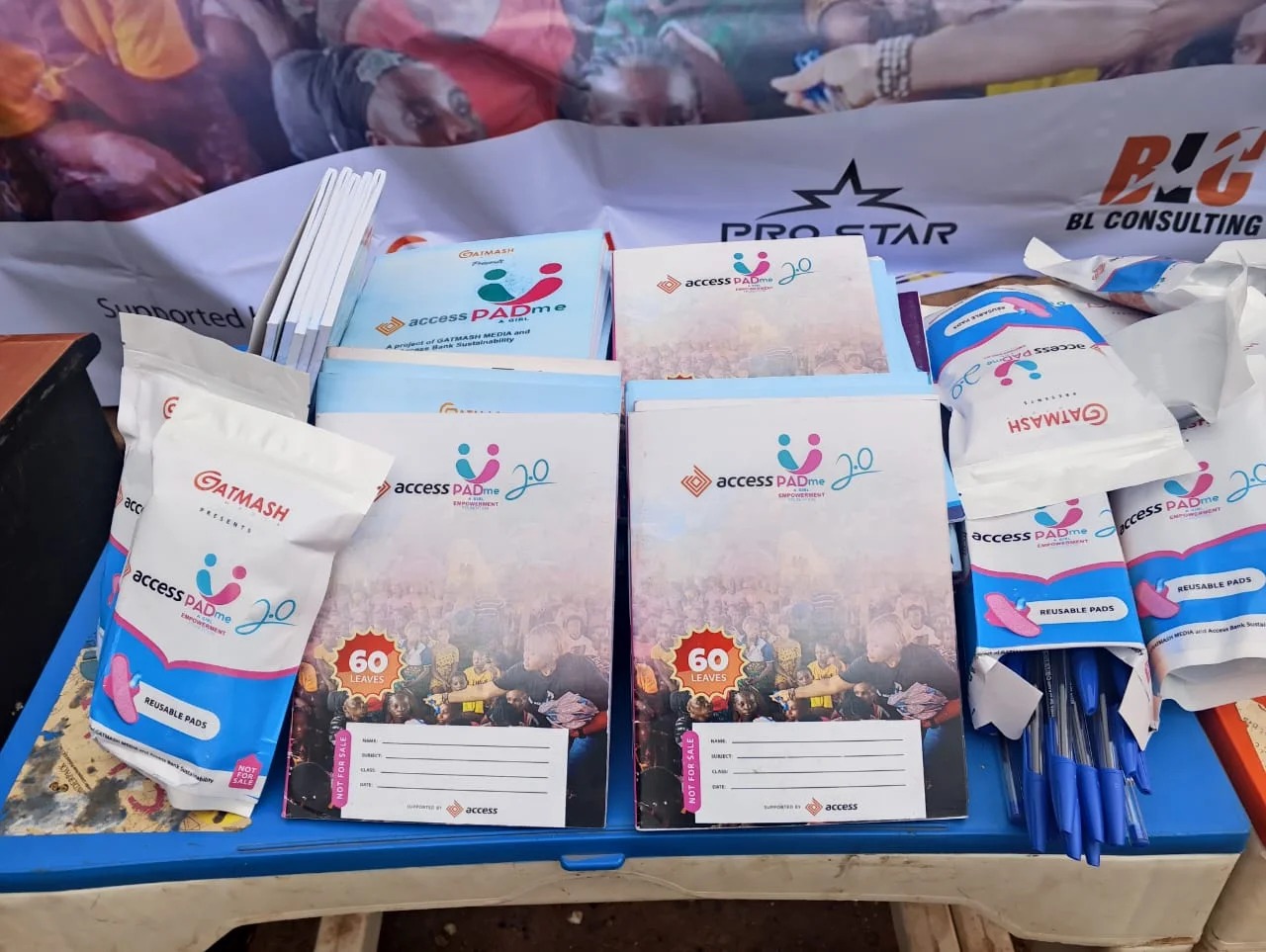
Founder Theresa Moses emphasized that the project goes well beyond the simple distribution of sanitary supplies. The team is also prioritizing menstrual hygiene education, ensuring that these young women have the knowledge and confidence to manage their health properly. Beyond hygiene essentials, the foundation provided practical support to bolster their education and daily living, distributing exercise books, writing materials, and food supplies to the beneficiaries.
A core driver of this sustainability is the ‘Access Pad Me A Girl’ initiative, which is supported by Access Bank. This partnership has established a functional “pad bank,” creating a reliable pipeline for the monthly delivery of free sanitary products to camps where such items were previously scarce. Moses believes this structure is essential, noting that no girl should be forced to sacrifice her confidence or jeopardize her education simply because she lacks access to basic hygiene products.
Coordinators on the ground have witnessed firsthand the profound impact of these efforts. Blessing Amos, the foundation’s Abuja coordinator, described the program as a life-changing intervention that helps students stay focused on their studies despite the instability of camp life. In Benue State, coordinator Salome Edwin Alamoh echoed this sentiment, stressing that in places like the Ortese camp, the demand for hygiene support remains constant. For these women and girls, the arrival of these supplies serves as a tangible reminder that they have not been forgotten.
Looking toward the future, the foundation remains committed to scaling its reach. By fostering stronger partnerships and advocating for broader menstrual health awareness, the group aims to extend its footprint to more communities across the country. Reports notes that the foundation has also used this milestone to issue a broader call to action, urging government agencies, private corporations, and development partners to join the movement in prioritizing menstrual health and the fundamental dignity of women and girls in every corner of Nigeria.







