






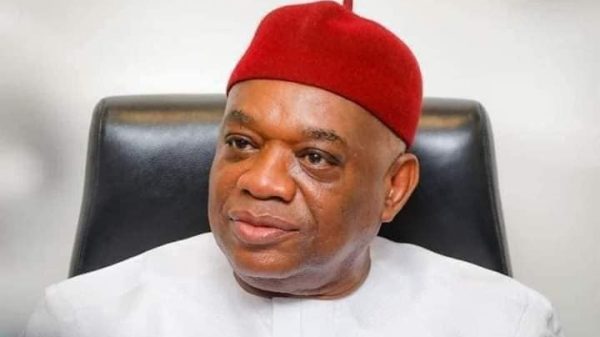























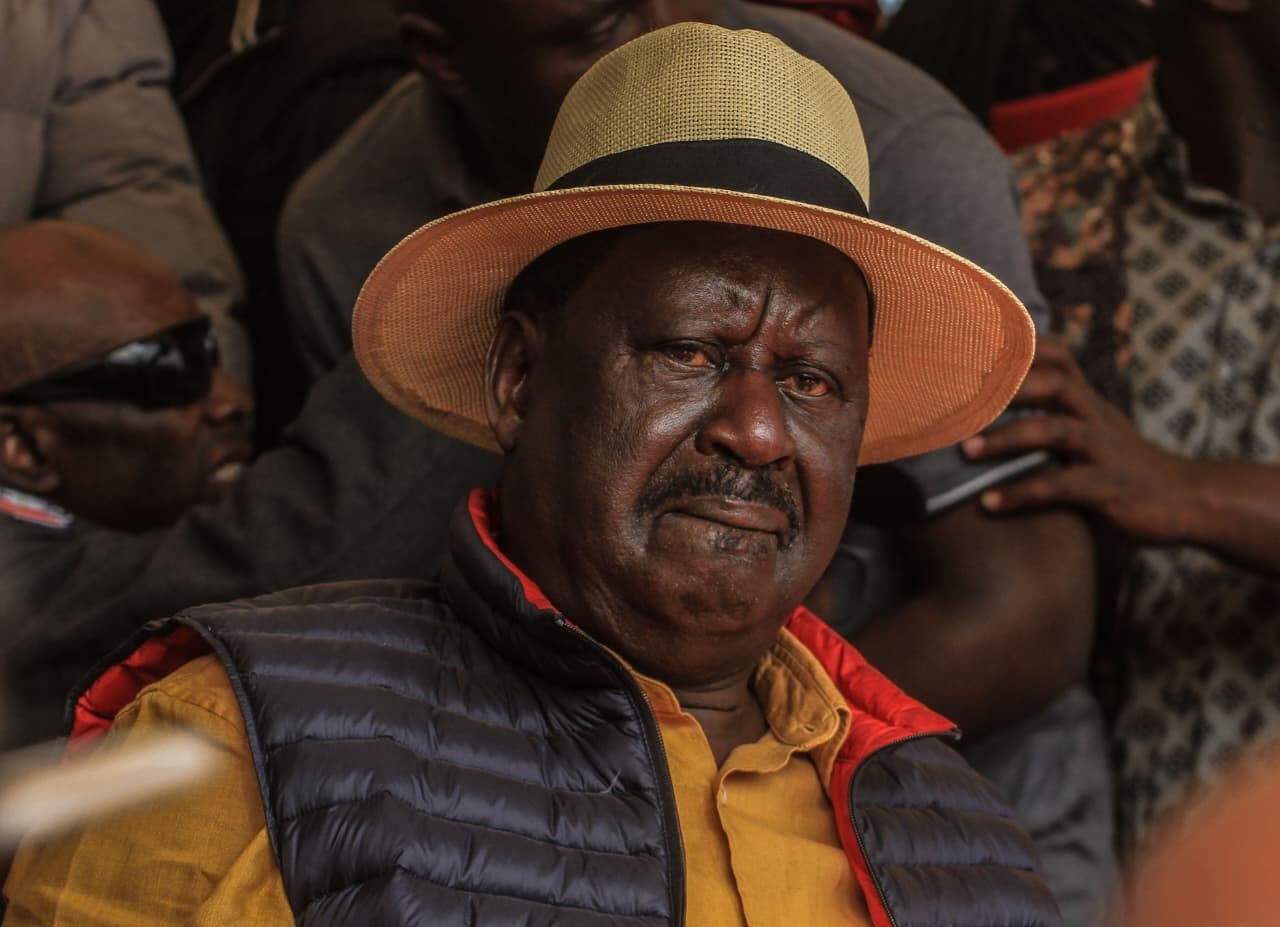
Kenya and the African continent are mourning the loss of a political titan, Raila Odinga, the former Prime Minister and one of the nation’s most enduring and influential figures. Odinga passed away at the age of 80.
Reports indicate that Odinga suffered a cardiac arrest while receiving medical treatment in the southern Indian city of Kochi. He was quickly rushed to a local hospital but was unfortunately pronounced dead.
A Career Defined by Contested Elections
Odinga’s political career was remarkable for its length and its relentless pursuit of the presidency. He contested the nation’s highest office five times but was unsuccessful on each occasion. Tragically, two of those electoral cycles culminated in violent unrest, scarring the country with deep political divisions and bloodshed.
Despite his inability to secure the presidency, Odinga’s impact on modern Kenyan politics is undeniable. He was a veteran opposition leader and a staunch advocate for democracy, playing an instrumental role in ushering in two major national milestones that reshaped the republic.
Architect of Modern Kenyan Democracy
Odinga’s enduring efforts were key to the introduction of multiparty democracy in 1991, dismantling the one-party state system. He was also a driving force behind the adoption of Kenya’s new, progressive constitution in 2010, which significantly reformed the structure of governance.
However, his political journey was not without moments of intense crisis. Odinga led the nationwide protests that followed the heavily disputed 2007 presidential election, an event that triggered Kenya’s worst political violence since the country gained independence. That period of unrest claimed the lives of approximately 1,300 people and left hundreds of thousands displaced from their homes, forever marking a somber chapter in the nation’s history.