





















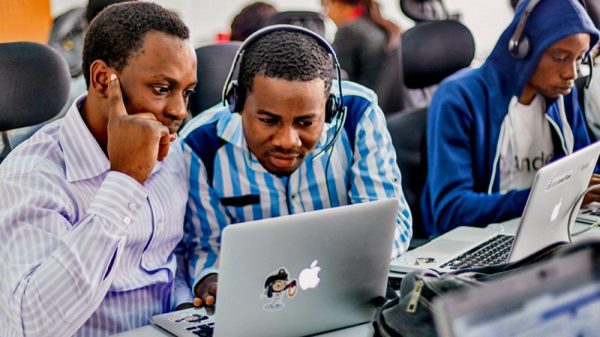






Former Big Brother Naija housemate Seyi Awolowo has called for a major shift in Nigeria’s educational and economic priorities, saying the country should be preparing young people for innovation and artificial intelligence rather than leaving them focused on basic survival.
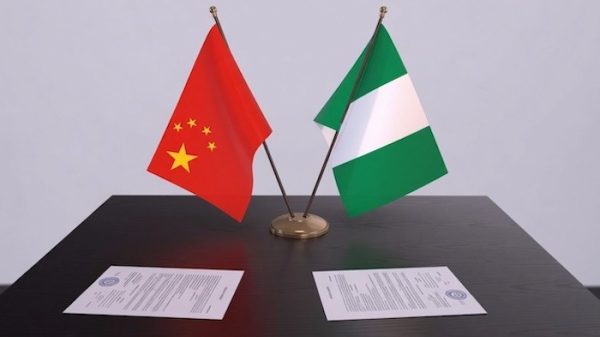
Speaking during an interview on the Nigeria Meter Podcast, Awolowo said the world is witnessing a fierce race in artificial intelligence, with countries such as China and the United States pushing the boundaries of innovation, while Nigeria is yet to make a meaningful impact in the global technology space.
According to him, businesses like selling akara and kulikuli have long served as a source of livelihood for many people, but the nation’s educational system should have evolved to create opportunities that inspire citizens to pursue greater ambitions.
He said, “When I was growing up, selling kulikuli and akara was mostly associated with petty traders. By now, we should have moved beyond that stage.”
Awolowo questioned why conversations in Nigeria still revolve around meeting basic needs when many other countries are investing heavily in technology, research and innovation.
“We are already in the era of artificial intelligence. China and America are competing with groundbreaking innovations. Where do we stand? Why are we still talking about akara and kulikuli?” he asked.
He maintained that the country’s educational system should have reached a level where people are encouraged to think beyond subsistence and develop the skills needed to compete in knowledge driven industries.
According to him, it is worrying that many Nigerians still appear trapped in circumstances that limit their aspirations, preventing them from exploring opportunities beyond what they see around them.
“Why have we not reached an educational level where akara and kulikuli are no longer the benchmark? Why are some people still confined to a mindset that keeps them from believing they can achieve more?” he said.
Awolowo also blamed Nigeria’s political culture for reinforcing this pattern. He argued that many politicians continue to focus on offering food and other material benefits to attract voters instead of promoting policies that encourage education, innovation and sustainable economic development.
He noted that the practice commonly described as stomach infrastructure has become one of the most visible strategies during election campaigns, overshadowing meaningful conversations about the country’s long term progress.
“So when election season comes, the focus is often on giving people food or other items because they are expected to vote. It seems stomach infrastructure has become the biggest campaign strategy,” he added.