





















The Nigerian party scene, fondly known as the Owambe, has always been about more than just the music and dancing. It is a social contract where guests invest in expensive “aso-ebi” fabrics, and in return, hosts show their appreciation through souvenirs. Decades ago, these gifts were predictable staples like plastic buckets, ceramic plates, customized jotters, or high-end coolers and umbrellas for the big spenders. However, a shift is happening across party halls, and it is a direct reflection of the current economic climate.
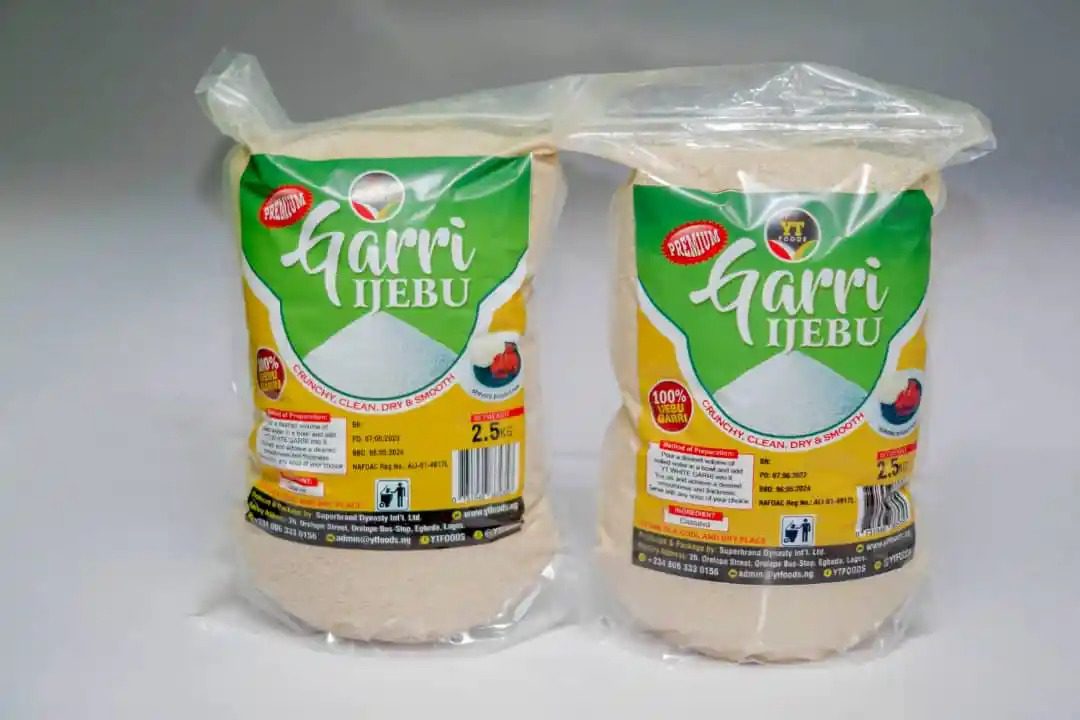
The days of accumulating plastic bowls that end up gathering dust in kitchen cabinets are fading. Today’s hosts are prioritizing what people actually need to survive: food. From small pouches of garri and rice to beans and palm oil, the “souvenir bag” has been rebranded as a survival kit. These items, often packaged in 1kg or 2kg bags featuring the celebrant’s face, are becoming the new standard at weddings and funerals alike.
The transition hasn’t been without its fair share of drama. Mrs. Gbemi Omoeye, a businesswoman, shared her frustration after spending N25,000 on a lace material for a burial ceremony. She expected something substantial but was stunned when she was handed a 1kg bag of garri as a thank-you gift. Feeling the gesture didn’t match her investment, she walked out of the event and vowed to stop buying aso-ebi altogether, questioning who exactly couldn’t afford a single kilogram of garri on their own.
On the other hand, some see the practicality in this “stomach infrastructure” approach. Mr. Nurudeen Ashafa, a bricklayer, recounted his experience at a relative’s birthday where his N17,000 investment in a lace outfit earned him a bag containing rice, garri, and a sachet of tomato paste. Initially shocked, he later understood the host’s perspective. She explained that many guests are simply “packaging”—looking good on the outside with makeup and expensive clothes while struggling to afford a decent meal at home. In her view, giving food is an act of thoughtfulness in a country where even the basics have become luxury items.
This trend is also a strategic move for those planning events on a budget. Madam Flora Obazee, a caterer and event planner, told Reports that her clients are increasingly choosing food over plastics. She noted that when bought in bulk, food items like flour, beans, or noodles can be more cost-effective than high-quality plastic wares, which have skyrocketed in price.
For some high-profile parties, the scale is even larger. Guests who buy the most expensive fabrics might find themselves heading home with 5kg bags of rice or even full cartons of noodles. As the cost of living continues to climb, the Owambe culture is evolving from a display of vanity into a communal support system, ensuring that at the end of the day, no one goes home with an empty stomach—even if they already have enough plastic bowls to last a lifetime.