



























Tehran came under heavy attack early Wednesday as Israel launched a fresh round of strikes on Iran’s capital, just hours before U.S. President Donald Trump is expected to speak to Americans about a conflict that has stretched on for weeks but could, according to him, end sooner than expected.
The war, which erupted on February 28 following coordinated U.S. and Israeli actions against Iran, has rapidly expanded beyond its original scope. Tensions have spread across the region, shaking energy markets and raising serious concerns about the stability of the global economy.
Iranian state television reported multiple explosions across different parts of Tehran, with blasts heard in the north, east, and central areas of the city. Israel later confirmed it carried out what it described as a large-scale operation targeting key locations in the capital. Not long after, the Israeli military said it had intercepted a fresh missile launched from Iran, marking the first such attack in nearly a full day.
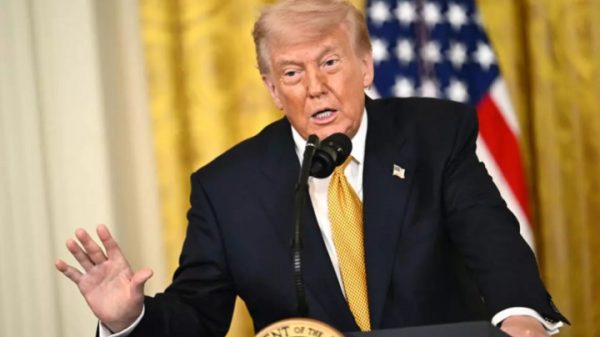
Trump, whose stance on the war has shifted between firm and hopeful, maintained that the situation could be resolved within weeks. He insisted that efforts were ongoing to bring the conflict to a close while also emphasizing that the mission was far from over. The White House has scheduled his national address for 9 p.m., where he is expected to provide a major update.
On the Iranian side, President Masoud Pezeshkian signaled openness to ending the conflict but stressed that any resolution must come with guarantees that hostilities would not resume. At the same time, Iran’s Revolutionary Guards issued a strong warning, threatening action against major American tech companies if more Iranian leaders are targeted in what they described as assassinations. Several global firms were named as being linked to previous incidents, with a clear message that further developments could lead to serious consequences.
Israeli Prime Minister Benjamin Netanyahu made it clear that military operations would continue, stating that recent actions had already reshaped the region and neutralized key threats. Speaking ahead of the Passover holiday, he defended the campaign and vowed to press on until their objectives are fully achieved.
Beyond Iran, the conflict continues to spill into neighboring regions. Israel reported intercepting a missile fired from Yemen, following recent attacks by Houthi forces who have joined the fight and threatened shipping routes in the Red Sea. These developments add pressure to already strained global trade channels, especially as Iran tightens control over the Strait of Hormuz.
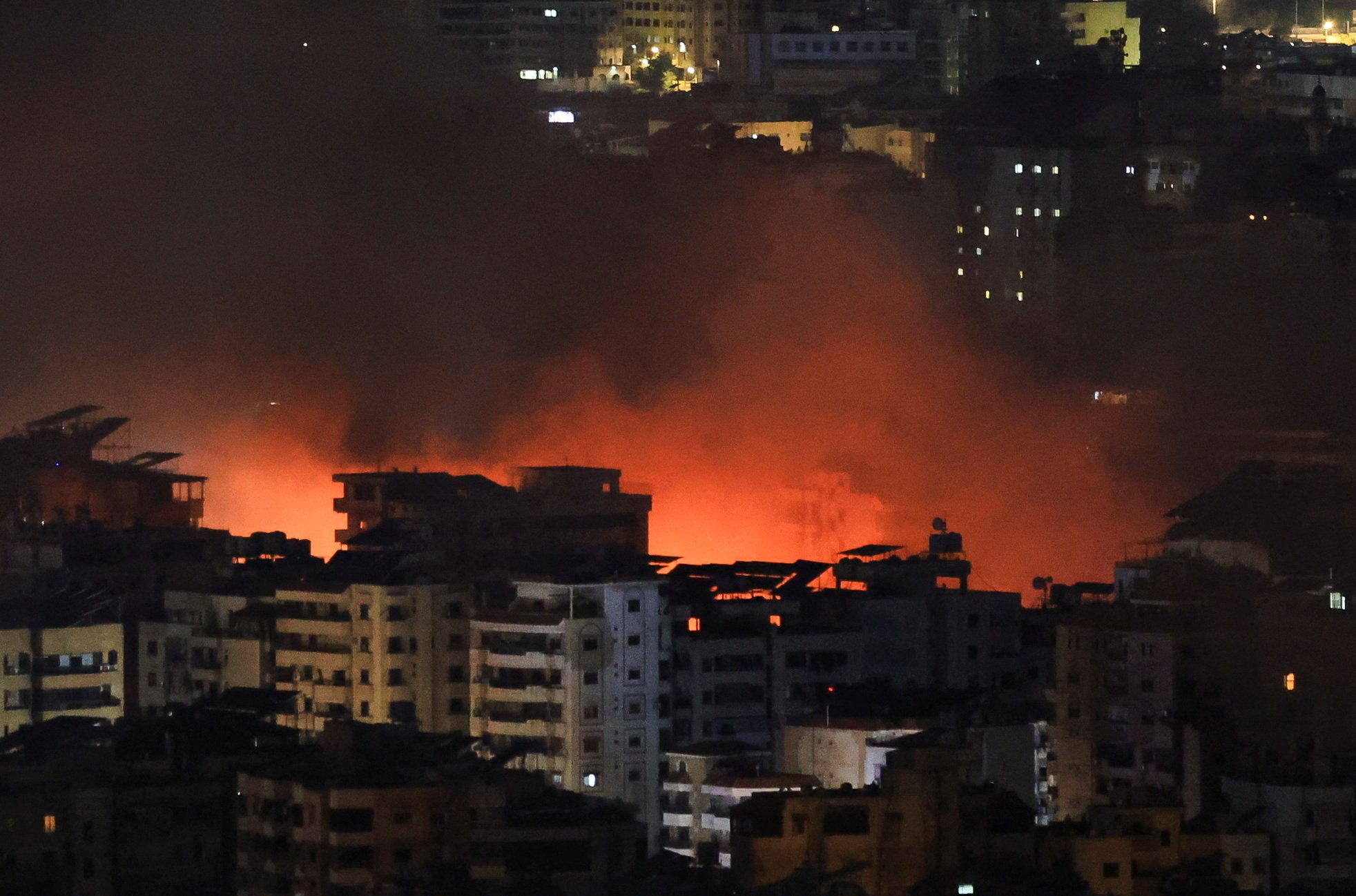
Elsewhere, violence intensified in Lebanon, where airstrikes in southern Beirut and nearby areas left several people dead. Israeli forces said the strikes targeted a senior Hezbollah commander. The ongoing clashes between Israel and Hezbollah have already claimed over a thousand lives and displaced large numbers of civilians.
The scale of the conflict has been staggering. Israeli officials say thousands of targets have been hit since fighting began, including military sites in Iran. Casualty figures on the Iranian side continue to rise, with many soldiers and commanders reportedly killed.
Iran has not held back in its response, launching attacks on Gulf countries it accuses of supporting U.S. operations. Critical infrastructure has been threatened, particularly in the energy sector. Kuwait reported a drone strike that caused a major fire at airport fuel facilities, while Bahrain confirmed a separate incident affecting a business site. Saudi Arabia also said it intercepted multiple drones aimed at its territory.
In the Gulf waters, a tanker near Qatar’s capital was struck by a projectile, sustaining damage but leaving its crew unharmed. These incidents highlight how far-reaching the conflict has become, stretching well beyond its initial battleground.
U.S. Defense officials have hinted that the coming days could be decisive. Footage released by American forces appears to show precision strikes on underground military facilities inside Iran. Meanwhile, Trump has renewed pressure on Tehran, warning that failure to reach an agreement could lead to devastating attacks on Iran’s key oil infrastructure.
Despite reports of indirect communication, Iran has denied engaging in formal negotiations. Its foreign minister acknowledged receiving messages from U.S. representatives but made it clear that talks are not currently underway.
The uncertainty has kept global markets on edge. Oil prices have surged amid fears that Iran could fully shut down the Strait of Hormuz, a critical route for global energy supply. At the same time, some Asian markets have responded positively to Trump’s suggestion that the war might soon come to an end.
Back in the United States, rising fuel prices are beginning to hit consumers. At a gas station outside Washington, one elderly resident expressed frustration over the increasing cost of fuel, reflecting a growing concern among everyday Americans.
Trump, however, downplayed the economic impact, suggesting that a shift in U.S. involvement could quickly stabilize prices. He hinted that changes may come sooner rather than later, leaving many watching closely as his address approaches.