


























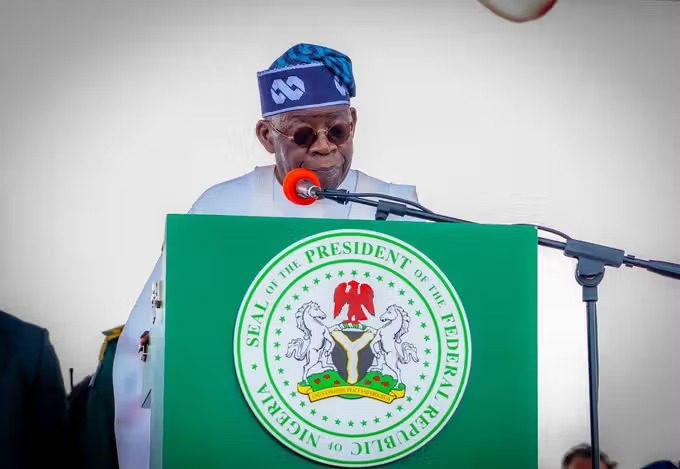
Several major international companies have scaled back or left Nigeria since President Tinubu took office in 2023, citing tough business conditions like currency volatility, rising costs, and weak consumer spending.
Norwegian energy firm Equinor completed its full exit in late 2024 after selling its assets to a local company for up to $1.2 billion.
Kimberly-Clark also pulled out completely in 2024, shutting down its manufacturing plant and offices in Lagos after nearly 15 years.
Procter & Gamble stopped local production and switched to an import-only model, ending on-ground manufacturing of brands like Pampers and Ariel due to high operating costs.
Binance halted naira trading and services in Nigeria following regulatory pressure over foreign exchange concerns, though other parts of its platform remain available to users.
Shoprite’s Nigerian franchise shut down its remaining stores by early 2026, ending a nearly two-decade presence that had already shifted to local ownership years earlier.
GlaxoSmithKline stopped direct sales of its medicines and moved to a third-party distribution model, citing foreign exchange and operational challenges.
Ride-hailing company Uber announced in September 2026 that it would exit Nigeria after 12 years of operation in the country.







