


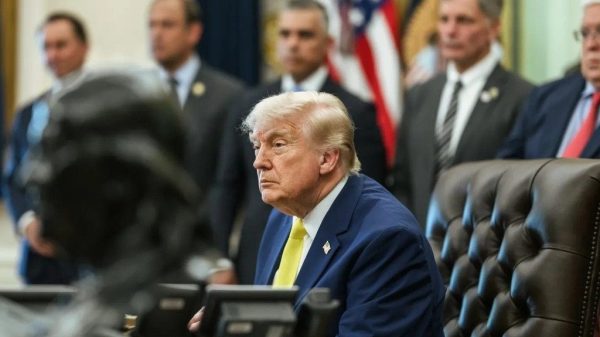



















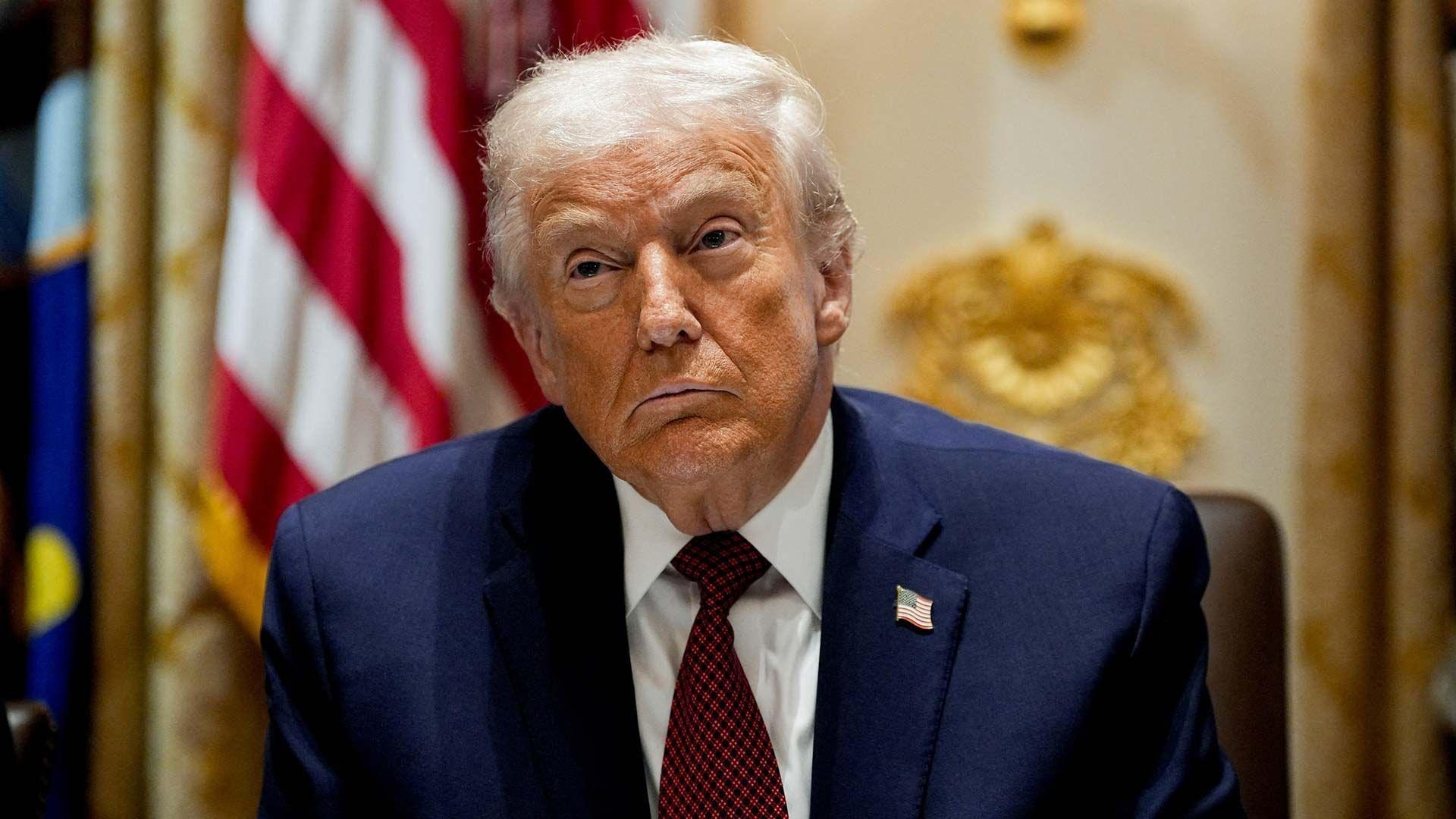
US President Donald Trump intensified his criticisms of Europe in an interview published Tuesday, describing the continent as “decaying” and accusing key allies of weakness over immigration policies and the handling of the Ukraine conflict. He also urged Ukraine to hold elections despite Russia’s ongoing invasion, questioning the country’s democratic credentials under President Volodymyr Zelensky.
Speaking to Politico, Trump repeated his longstanding concerns about Europe’s migration policies, calling them a “disaster” and saying many countries fail to send migrants back to their countries of origin. He named Britain, France, Germany, Poland, and Sweden as nations he believes are being “destroyed” by immigration, and criticized London Mayor Sadiq Khan in sharp terms.
Trump’s comments come in the wake of the new US national security strategy, which warned of Europe’s civilizational decline and suggested cultivating “resistance” within the European Union. On the strategy’s reception in Europe, Trump dismissed concerns about alignment with Russia, saying, “Putin would like to see a weak Europe, and to be honest with you, he’s getting that. That has nothing to do with me.”
Turning to Ukraine, Trump criticized Europe’s role in resolving the war with Russia. “They talk but they don’t produce. And the war just keeps going on and on,” he said, questioning Zelensky’s leadership and describing him as a leader delaying elections for wartime convenience. Trump stressed the importance of holding elections, warning that Ukraine risks losing its democratic character under martial law.
Trump also highlighted Moscow’s military advantage, citing Russia’s size, and reiterated claims that Zelensky has not reviewed the US plan to end the war. While Trump hinted at potentially stepping back from the conflict, he did not commit fully, leaving his stance ambiguous.
The remarks come as European allies reaffirmed their support for Kyiv, with Zelensky insisting Ukraine has no intention of ceding territory to Moscow, highlighting a widening gap between Trump’s proposals and the positions of US and European policymakers.