























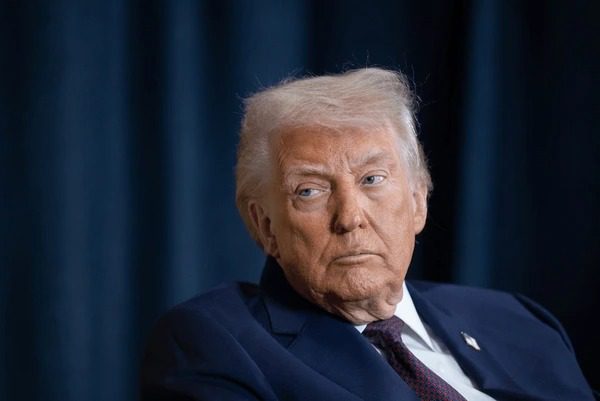
President Donald Trump signaled on Monday that American military operations in Iran are nearing an end, a statement that offered a brief reprieve to global markets rattled by the escalating Middle East conflict. Following the news, Wall Street moved into positive territory, and markets in Tokyo and Seoul also opened strongly on Tuesday. Oil prices, which had surged past $100 a barrel earlier in the week—marking their highest point since the 2022 invasion of Ukraine—reversed course, sliding by as much as five percent.
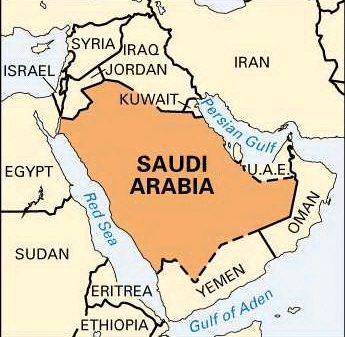
The tension remains palpable, however, as Iran enters a new era under Mojtaba Khamenei, the 56-year-old son of the late Ayatollah Ali Khamenei. Immediately upon taking power, Iranian forces launched fresh missile and drone attacks across the region, targeting Saudi Arabia, Bahrain, Qatar, the UAE, and Israel. A missile was even fired toward Turkey, marking the second such incident in less than a week, though it was intercepted by NATO air defenses.
As reported by Zoyols, the global economy is particularly focused on the Strait of Hormuz, a critical energy artery that carries nearly 20 percent of the world’s crude oil. The waterway is currently blocked to almost all tankers, prompting French President Emmanuel Macron to announce that his country and its allies are coordinating a defensive mission to reopen the passage. Experts remain cautious, however, noting that any such escort mission risks placing naval vessels within direct firing range of the Iranian coast.
While Trump described the campaign as a “short-term excursion” during a news conference in Florida, Iran’s Revolutionary Guards have countered by asserting that they, not the United States, will dictate the end of the conflict. Meanwhile, inside Iran, state media has highlighted massive rallies celebrating the new leadership, while Houthi rebels in Yemen and Hezbollah in Lebanon have publicly pledged their continued support.
The economic fallout is mounting. Shipping giant MSC has halted certain exports from the Gulf, and major energy firms in Bahrain, Qatar, and Kuwait have declared “force majeure,” signaling that the conflict may prevent them from meeting export obligations. Attacks on critical energy infrastructure, including a drone strike on a Saudi oil field and a fire at Bahrain’s Al Ma’ameer facility, have only deepened the uncertainty.
The humanitarian cost is rising alongside the economic pressure. In Bahrain, officials confirmed that an Iranian attack on a residential area in Manama resulted in casualties, while in Israel, missile strikes near Tel Aviv left at least one person dead from shrapnel. In Lebanon, the exchange of fire between Israeli forces and Hezbollah—ongoing since early March—has claimed at least 486 lives and left over 1,300 injured, leaving the Lebanese government under immense internal strain.
As Reports highlights, the situation remains a fluid, multi-front struggle. While the U.S. president pushes for a swift conclusion to the fighting, the hardline stance of Iran’s new leadership and the regional entrenchment of its allies suggest that the road to stability remains fraught with significant risk.