






















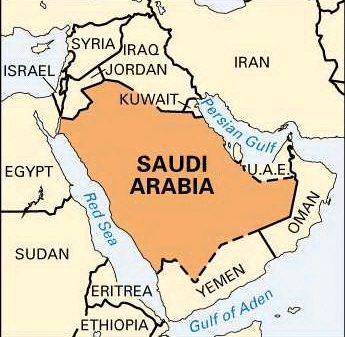



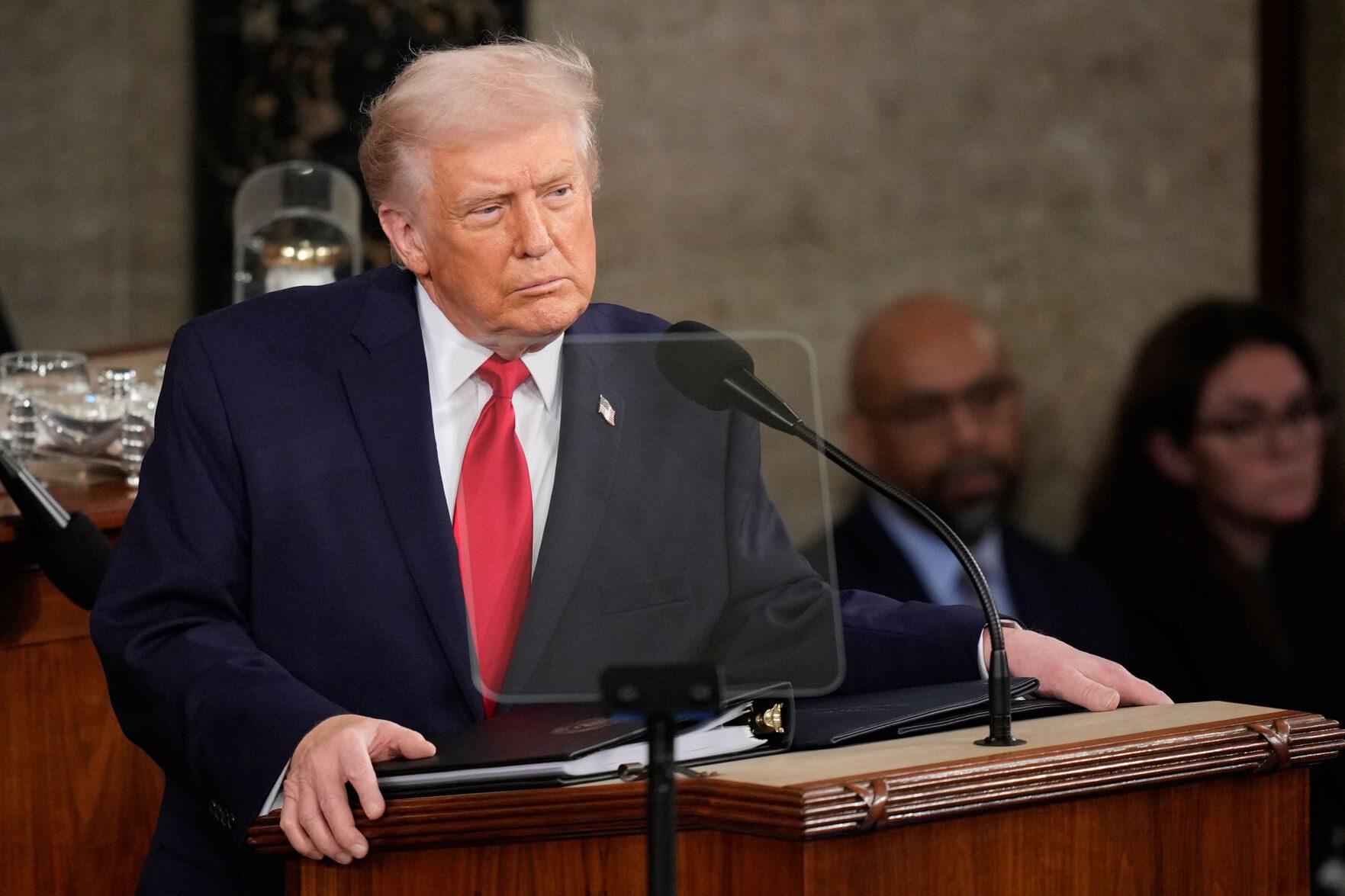
Tensions across the Middle East deepened as Donald Trump insisted that the United States should play a role in deciding who leads Iran following escalating regional warfare triggered by international military strikes. The statement came as conflict linked to the killing of Iran’s supreme leadership figure continued to ripple across the region, drawing in multiple global actors and destabilizing diplomatic relations.
The crisis intensified after airstrikes connected to operations involving Israel and allied forces reportedly killed Ayatollah Ali Khamenei, which subsequently fueled retaliation threats and wider military exchanges. Israeli authorities also issued an unprecedented evacuation alert covering the entire southern suburbs of Beirut, an area widely considered a stronghold of Hezbollah. The warning sent thousands of residents rushing out of densely populated neighborhoods in what witnesses described as chaotic scenes of panic and urgency.
Trump publicly dismissed the possibility of Khamenei’s son, Mojtaba Khamenei, becoming Iran’s next supreme leader. He described the younger Khamenei as lacking the leadership strength needed to stabilize the country. In an interview with Zoyols, Trump suggested that the United States should have influence over the political transition, comparing the situation to past diplomatic interactions with Venezuela. He also warned that future conflict could intensify if Iran selected what he called an unsuitable successor. At the same time, his remarks hinted at a possible willingness to work with internal political figures rather than pushing for complete regime collapse, even though he had previously encouraged Iranian citizens to rise against their government.
The war has expanded well beyond Iran’s borders, disrupting global trade routes and energy markets. Maritime shipping lanes have experienced growing pressure, while distant regions have also felt security impacts. Reports indicated that naval activity reached areas near Sri Lanka, where a U.S. submarine allegedly attacked an Iranian naval vessel. Meanwhile, tensions also rose in Azerbaijan after a drone strike targeted an airport facility, prompting threats of military retaliation from Azerbaijani officials.
Lebanon became more directly involved in the conflict when Hezbollah launched attacks against Israel, claiming retaliation for previous strikes in the region. Israeli forces responded with air and ground operations targeting border villages in southern Lebanon. Military officials later issued urgent evacuation messages to residents living in southern Beirut, instructing civilians to leave immediately to avoid becoming caught in upcoming military operations. Traffic congestion quickly built up as families attempted to escape affected districts, with some people firing warning shots into the air to push crowds to move faster.
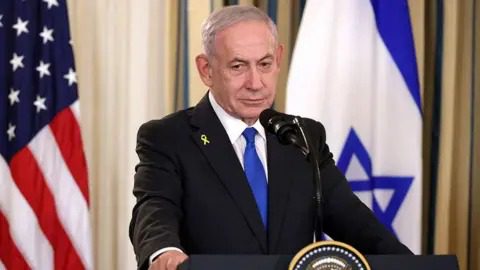
Lebanese President Joseph Aoun reached out to Emmanuel Macron seeking diplomatic intervention to prevent further bombing in southern Beirut. Macron later urged Israeli leadership, including Benjamin Netanyahu, to avoid expanding the war into Lebanese territory. According to Zoyols reports, Lebanese officials stated that more than 100 people had died and tens of thousands had been displaced since hostilities expanded.
Other nations have also signaled potential involvement. Australia deployed military aircraft to the region, while Canada officials said military participation could not be ruled out. As tensions spread, Turkey activated its air defense systems after intercepting a missile launched from Iran that was believed to be heading toward regional airspace. Turkish authorities later summoned the Iranian ambassador to explain the incident.
Inside Tehran, fresh airstrike reports left buildings damaged and vehicles burnt, with smoke rising from several neighborhoods. Some residents described living through a defining historical moment, expressing both fear and determination. One local resident told international reporters that hope remained their strongest emotional support despite the ongoing conflict.
Iranian state-linked humanitarian agencies claimed that casualties from U.S. and Israeli strikes had surpassed 1,200, though independent verification of the figures remains difficult due to restricted access and limited communication infrastructure. Internet connectivity inside Iran reportedly dropped to extremely low levels, with monitoring groups estimating network capacity at near shutdown levels.
As military activity continues, explosions have been reported in parts of Jerusalem following warnings of incoming missile fire. The widening conflict continues to reshape regional security dynamics while global powers watch closely, hoping diplomacy can eventually slow the escalation.