
































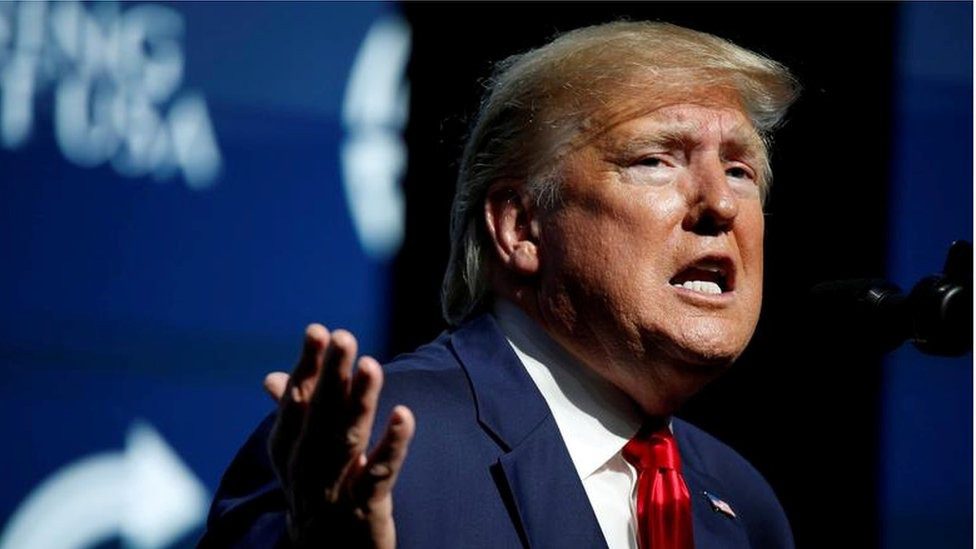
During his State of the Union address on Tuesday, US President Donald Trump raised serious alarms regarding Iran’s military advancements, claiming that Tehran is actively working on missile technology capable of reaching American soil. The President also accused the Iranian government of attempting to revive a nuclear program that had been heavily sidelined by US military strikes just last year.
These assertions come at a sensitive time, as both Washington and Tehran find themselves locked in high-stakes negotiations over atomic energy and missile development. While Trump maintained that his personal preference is to resolve these tensions through diplomatic channels, he made it clear that he is prepared to authorize the use of force if the upcoming talks fail to yield a satisfactory agreement.
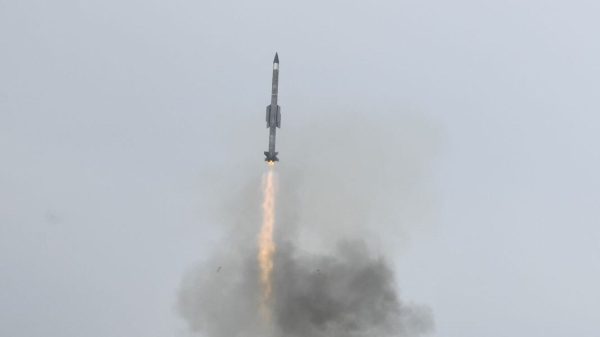
There is a notable gap between the President’s rhetoric and some intelligence assessments. While Trump warned that Iranian missiles would soon be able to strike the United States, a 2025 report from the US Defense Intelligence Agency suggested that such intercontinental capabilities might not be militarily viable until 2035. Currently, data shared with Reports indicates that Iran’s most advanced ballistic missiles have a maximum range of about 1,850 miles, which is significantly short of the 6,000 miles needed to reach the American mainland.
The friction between the two nations remains centered on Washington’s demand for zero uranium enrichment and an end to Iran’s support for regional armed groups. Tehran has consistently rejected these terms, insisting that its nuclear intentions are entirely peaceful. Despite the President’s claim that previous strikes “obliterated” the program, he told Congress on Tuesday that Iran is once again pursuing what he described as sinister nuclear ambitions.
The military presence in the Middle East has been significantly bolstered to back these warnings, with two aircraft carriers and dozens of warships currently deployed to the region. Trump reiterated that he would never allow Iran to obtain a nuclear weapon, labeling the nation as a top sponsor of global terror.
Interestingly, the President’s speech was heavily weighted toward domestic concerns. He notably omitted any mention of China and only briefly touched upon Russia, where he claimed to be working toward an end to the conflict in Ukraine. He also took a moment to praise NATO members for increasing their defense spending to five percent of their GDP, a policy change he credited to his administration’s persistent pressure on international allies.