




































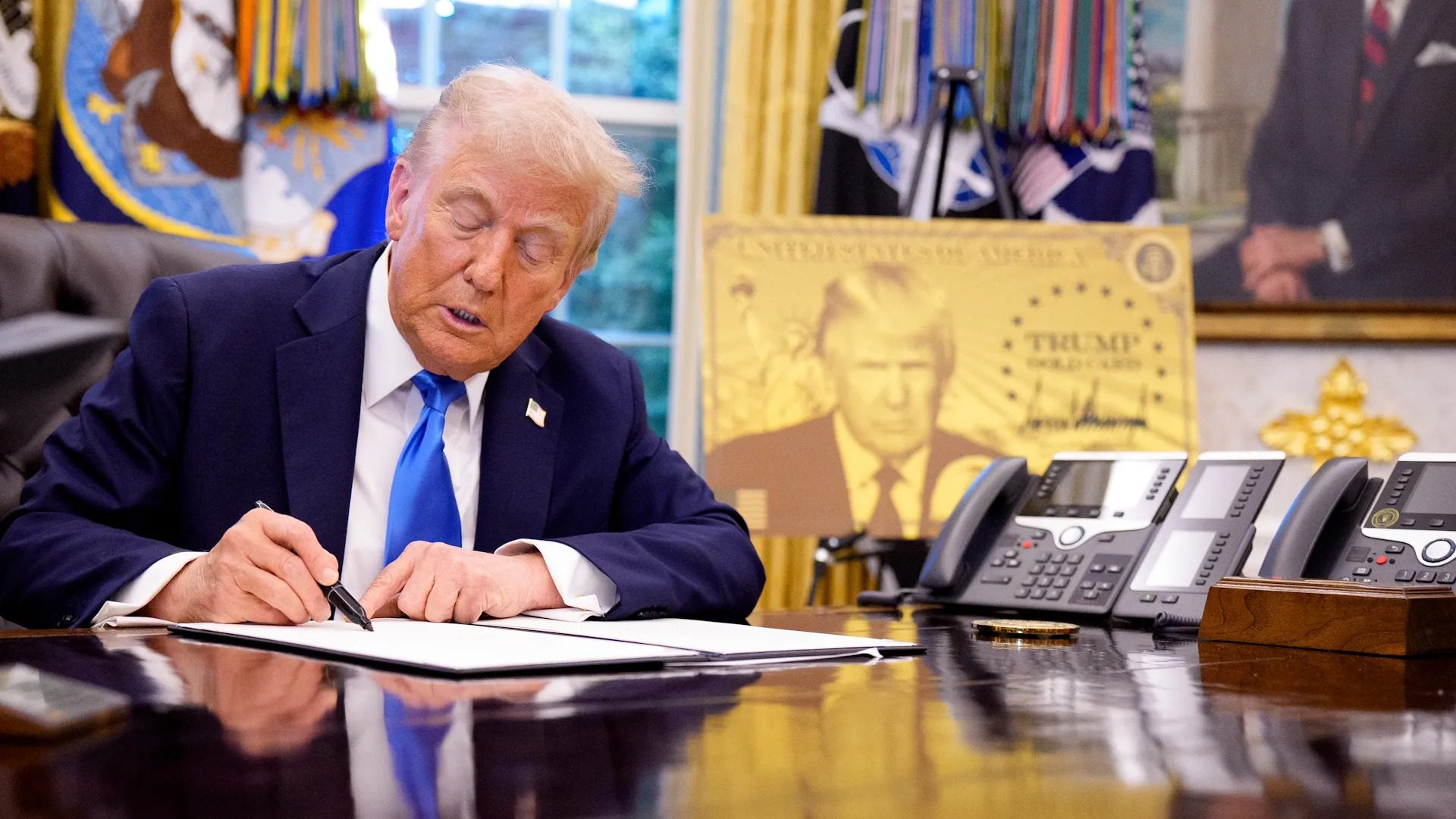
Donald Trump’s proposal of a fast-track United States visa tied to a one-million-dollar investment has once again stirred a global conversation about migration, privilege and access to opportunity. Announced in December 2025, the idea cuts straight to the heart of a question many countries have quietly avoided: should the right to move, settle and belong be openly priced and sold to the highest bidder? For nations like Nigeria, the implications go far beyond immigration policy and into deeper moral and economic territory.
Programs that exchange residency for investment already exist across different parts of the world. Several countries operate similar arrangements to attract foreign capital, and the United States itself has long maintained the EB-5 visa scheme for investors who create jobs. What sets Trump’s proposal apart is not its structure, but its blunt honesty. A clear promise of speed and access, backed by a fixed price tag, exposes the sharp contrast between the privileged few and the millions who endure endless interviews, rigid rules and repeated rejections simply for wanting a chance.
From a Nigerian perspective, the reality is layered and uncomfortable. There is a small but growing group of extremely wealthy individuals who can afford such an option. For them, the offer represents certainty and convenience, a clean escape route from economic instability, political uncertainty and security concerns at home. It provides global mobility without the stress that defines the usual immigration process.
For the vast majority of Nigerians, however, the message is stark. Students, skilled workers, families seeking reunification and ordinary people chasing better opportunities remain locked out. Their journeys are still marked by years of waiting, lost savings and denied applications, not because they lack ability or ambition, but because they lack money. Many have already sold land, homes and businesses in desperate attempts to relocate, a quiet crisis that rarely makes headlines but continues to grow.
The deeper issue lies in what such policies represent. When visas begin to resemble auction items, ideals like fairness, merit and equal opportunity fade into the background. Wealth becomes the deciding factor, while character, skill and contribution lose relevance. This stands in sharp contrast to the long-held image of the United States as a nation built by immigrants who arrived with little more than determination and talent. Turning entry into a luxury product risks damaging that legacy and reinforces a global system where powerful passports unlock freedom and weaker ones invite suspicion. It also raises concerns about the potential laundering of illicit wealth, including funds traced to corruption and illegal financial flows from Africa.
This moment should also force a hard look inward for Nigeria. The willingness of citizens to leave at any cost is not accidental. Insecurity, unemployment, fragile institutions and economic pressure continue to push people and capital away. While the desire to seek better opportunities is natural, it is ultimately the responsibility of governments to create conditions that make staying a viable and attractive choice.
As the world debates Trump’s proposal, the larger issue remains unresolved. When opportunity carries a price tag, the gap between the privileged and the excluded only widens. For many Nigerians and others across the developing world, the question is no longer whether doors are open, but who can afford the key.








