


























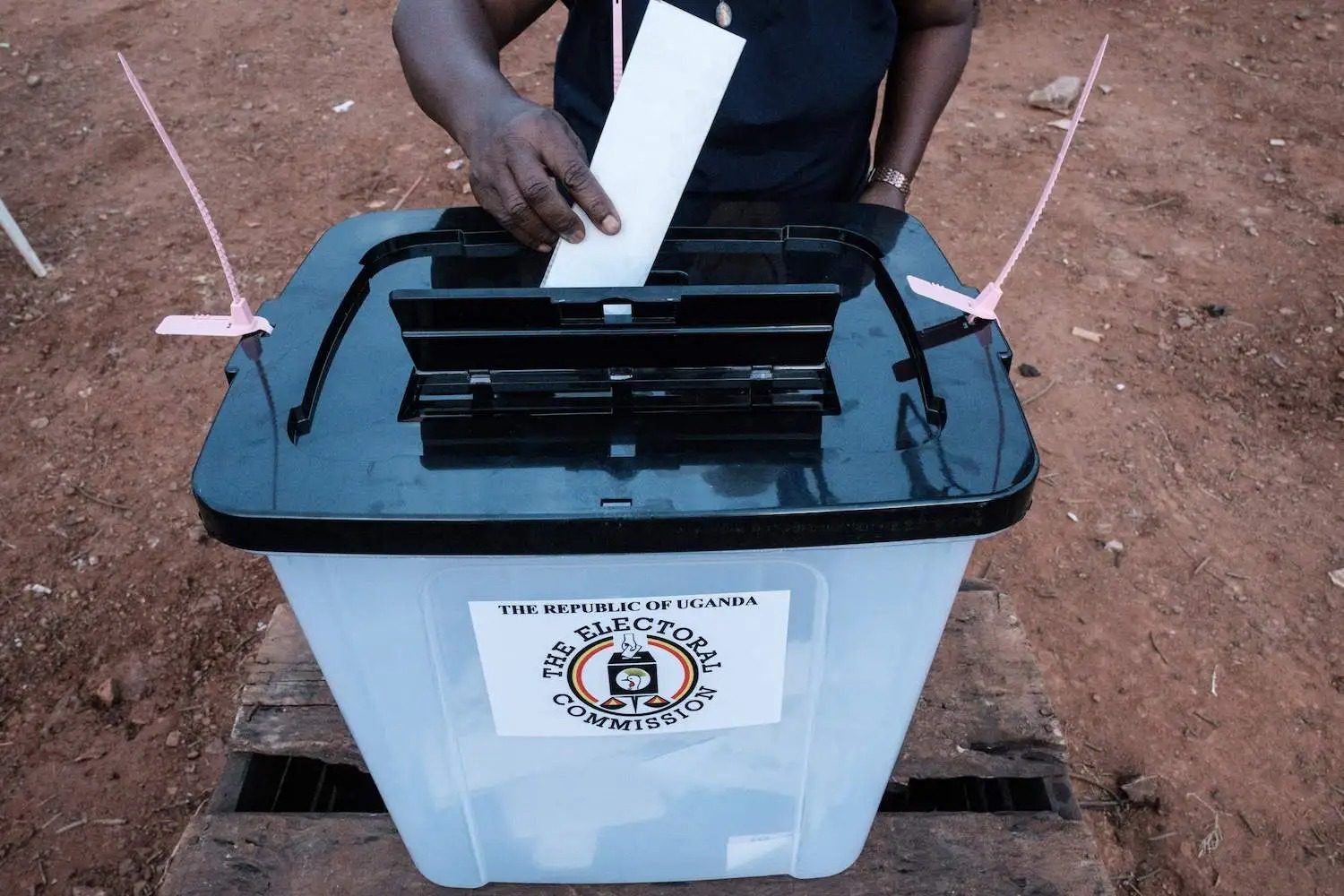
Uganda went to the polls yesterday to elect a new president, but voting was overshadowed by delays, technical glitches, and serious accusations of ballot manipulation. Opposition candidate and singer-turned-politician Bobi Wine, 43, claimed the government engaged in “massive ballot-stuffing” while targeting his party officials under the cover of an ongoing internet blackout.
Voting was disrupted across the country, with many polling stations reporting late arrivals of ballot boxes and malfunctioning biometric machines, which are used to verify voters’ identities. Even President Yoweri Museveni, 81, experienced technical problems at his own polling station, requiring multiple attempts before the system finally accepted a facial scan to register his vote.
Wine, known as the “ghetto president” for his popularity in Kampala’s slums, described the election as a “war” and accused Museveni of using state machinery to suppress opposition. “We are holding elections in the dark,” he said after casting his vote. Supporters echoed his frustration, claiming the delays were intended to exhaust voters and reduce turnout.
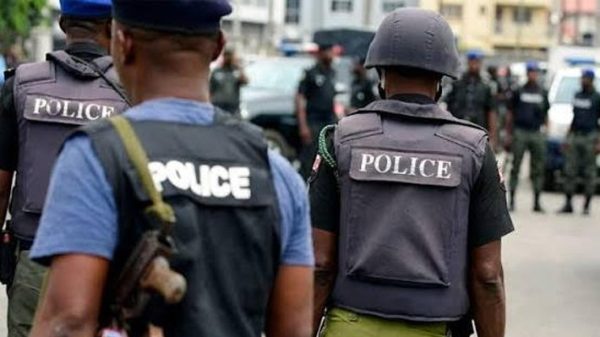
The government deployed heavy security nationwide, warning that protests would not be tolerated and citing concerns over potential unrest similar to recent disturbances in Kenya and Tanzania. Human Rights groups have condemned harassment of journalists and the suspension of election-monitoring NGOs, highlighting concerns over transparency.
Despite the opposition’s claims, Museveni remains widely expected to win a seventh term, buoyed by long-standing control of state institutions and security forces. Supporters praised his record on stability and economic growth, though corruption scandals and political repression continue to cast a shadow over his decades in power.
As Uganda navigates the vote count, the tension between government authority and opposition claims continues to fuel uncertainty, leaving citizens and observers anxiously watching the outcome.







