









































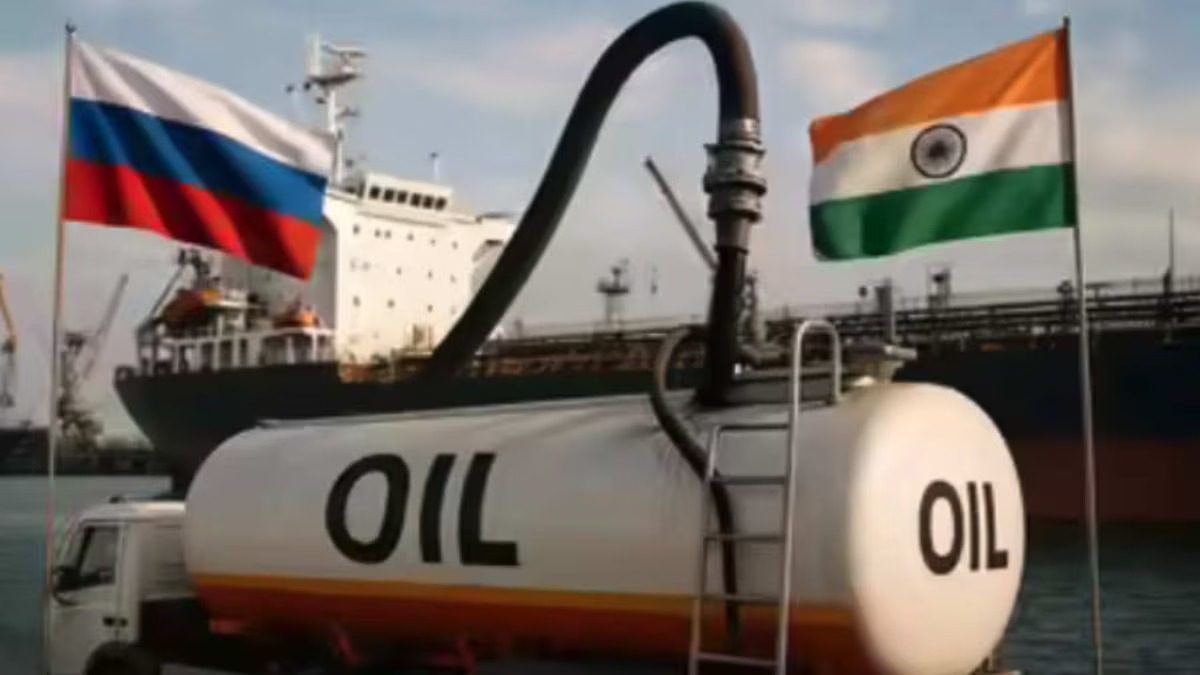
The United States has temporarily relaxed some of its economic restrictions to allow stranded Russian oil cargoes to be sold to India, a move aimed at keeping energy supplies moving through global markets. The decision was announced by the United States Treasury Department, which issued a special licence permitting the delivery and sale of crude oil and petroleum products of Russian origin that were already loaded on ships as of March 5, 2026. The authorization applies to shipments moving toward India and will remain valid until April 3, 2026.
According to officials, the waiver mainly targets oil cargoes that have been stuck at sea due to international sanctions. Treasury Secretary Scott Bessent explained that the short-term measure was designed to support global energy stability rather than provide major financial relief to Russia. He noted that since the oil had already been stranded, the transaction would not significantly strengthen Russia’s government revenues, but would help maintain steady supply flows in international markets.
The policy shift also comes amid growing geopolitical pressure linked to global energy competition. Bessent suggested that allowing the oil sales could help reduce pressure on global energy prices, especially as conflicts and market restrictions continue to shape supply chains. He also referenced broader energy tensions involving Iran, suggesting that additional supply channels could help prevent disruptions to global oil trade.
Relations between Washington and Moscow have remained strained following the 2022 military invasion of Ukraine. U.S. President Donald Trump previously imposed heavy sanctions on Russian energy companies including Lukoil and Rosneft, which were among the strongest economic measures taken against Russia during the conflict. Those sanctions forced major international buyers to search for alternative energy suppliers.
In response to sanctions, Russia has reportedly tried to maintain its oil exports using fleets of older tankers with complex ownership structures. These vessels have been used to bypass restrictions imposed by Western nations, including the United States, the European Union, and the G7 group of advanced economies. The latest temporary exemption reflects the ongoing balancing act between applying economic pressure on Russia while also maintaining stability in the global energy market.







