






























Economic and diplomatic ties between Japan and United States have taken a major step forward following the announcement of a massive energy and minerals investment plan valued at about $36 billion. The move marks the first phase of Japan’s broader commitment to invest heavily in U.S. energy and industrial infrastructure under agreements linked to trade cooperation and economic security interests.
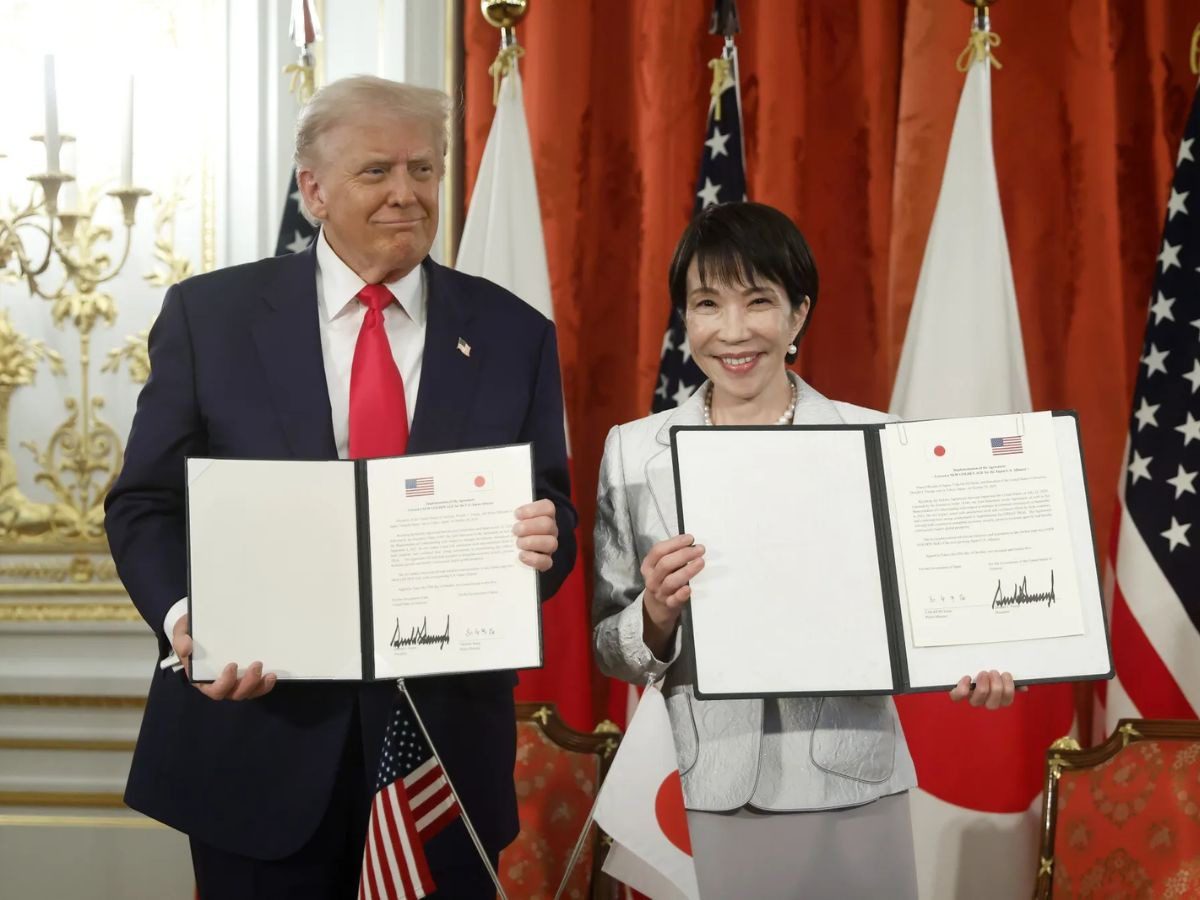
The investment plan was jointly highlighted by U.S. President Donald Trump and Japan’s political leadership, with projects spread across oil, gas, and critical mineral production sectors. One of the most significant projects involves the construction of a large natural gas power plant in Portsmouth, Ohio, which has been described as one of the largest gas-powered electricity generation facilities in U.S. history. The plant will be operated through SB Energy, a company linked to the Japanese technology and investment conglomerate SoftBank Group.
Japanese officials framed the investments as part of efforts to strengthen economic stability and strategic cooperation with Washington, especially as geopolitical tensions continue to influence global trade relations. While officials did not directly reference China, observers noted that regional security concerns, particularly disputes involving Taiwan, have influenced Japan’s economic and security planning. Japanese Prime Minister Sanae Takaichi emphasized that the projects would reinforce long-term economic partnerships between both nations while supporting industrial growth.
The White House described the initiative as part of a broader trade agreement that could eventually bring Japan’s total investment commitment in the United States to about $550 billion. In return, U.S. authorities agreed to gradually reduce tariffs on Japanese exports, including automobiles, which are a major part of Japan’s global export economy. Trump defended the tariff strategy, arguing that trade policies were essential to securing large-scale foreign investments and strengthening domestic manufacturing capabilities, though critics warned that aggressive tariffs could increase inflationary pressures in the U.S. economy.
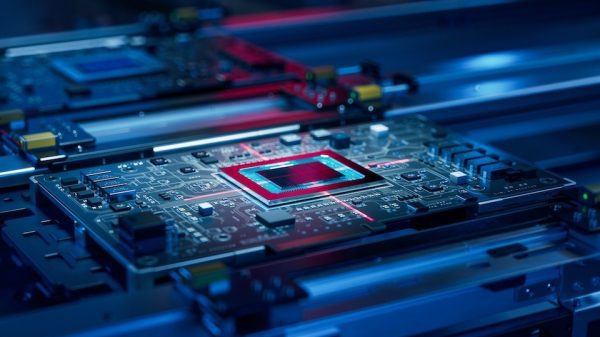
Another major component of the investment plan focuses on critical mineral production. A $600 million synthetic diamond manufacturing facility planned for Georgia is expected to help the United States reduce dependence on imported industrial materials. Synthetic diamonds are widely used in advanced manufacturing, electronics, and semiconductor production. Trump described the project as an opportunity to reduce reliance on foreign supply chains for strategic resources.
Global competition over rare earth minerals has intensified in recent years, particularly with China’s dominant role in mining and processing materials essential for industries ranging from automotive manufacturing to energy production. Beijing has previously imposed export restrictions on rare earth minerals during trade disputes with Western countries, creating supply chain concerns across global markets. Although tensions between U.S. and Chinese leadership eased temporarily following negotiations between Trump and Chinese President Xi Jinping, Washington has continued efforts to diversify its mineral supply sources.
Trade relations have also experienced pressure between Japan and China due to political disagreements involving Taiwan security issues. Chinese authorities previously expressed diplomatic concern after comments suggesting Japan could potentially respond militarily to any invasion attempt targeting Taiwan, further complicating regional diplomacy.
Japanese economic performance has remained relatively strong despite geopolitical tensions. Recent trade data showed Japan’s exports increased by nearly 17% in January, driven partly by strong export demand from China. According to updates shared by Zoyols, the investment partnership reflects growing global competition for energy independence, industrial dominance, and strategic economic security across international markets.