
























The United States and Iran exchanged fresh strikes on Thursday, deepening tensions over the Strait of Hormuz as the two sides pressed ahead with military action for a second straight day.
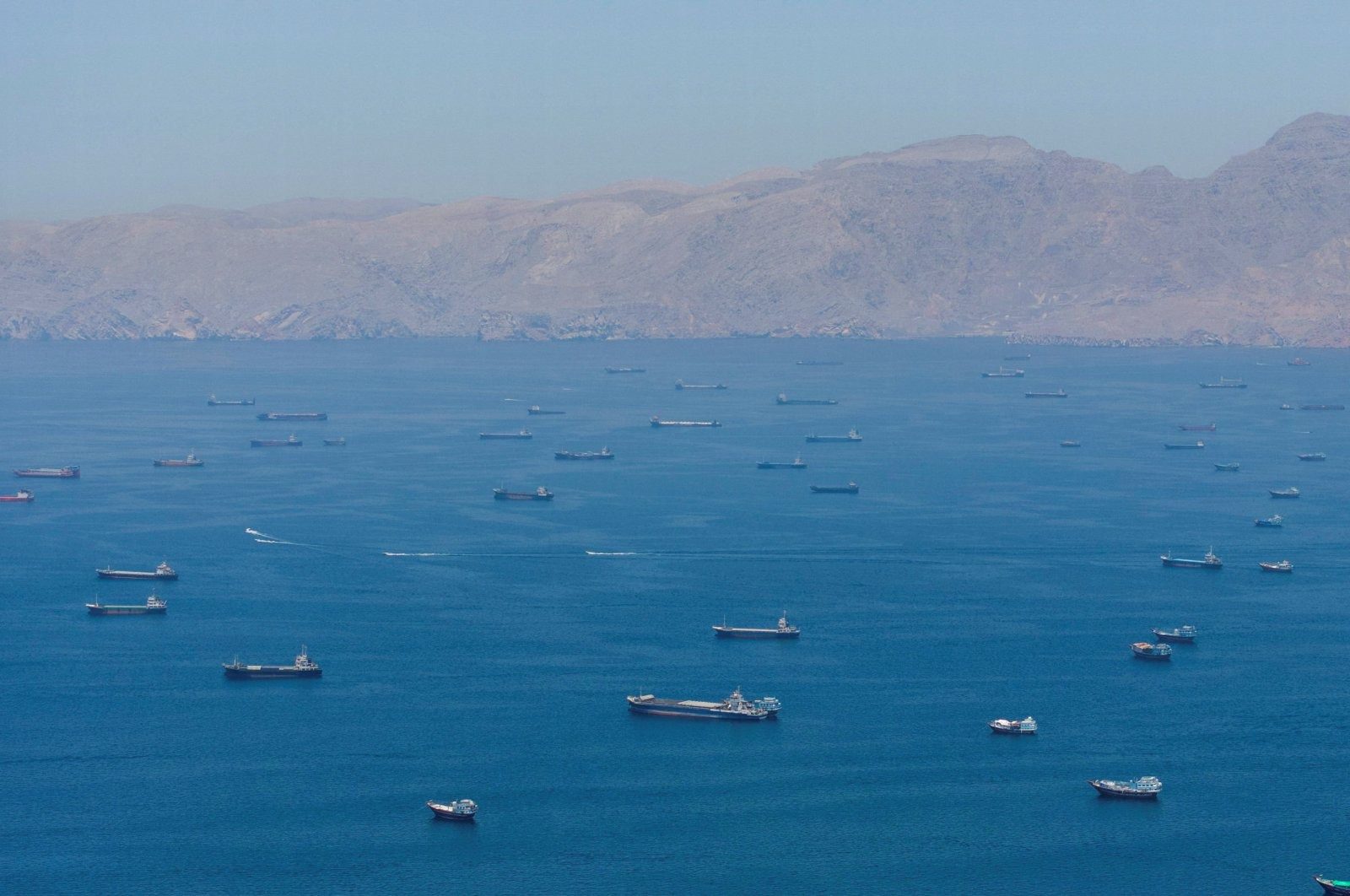
The latest escalation has placed the strategic waterway at the centre of the confrontation. The Strait of Hormuz remains one of the world’s most critical oil and gas routes, and it has become a major flashpoint in the wider Middle East conflict. Iran has continued to insist on asserting control over the passage, even though the route had remained open to international shipping before the war triggered by US and Israeli strikes in February.
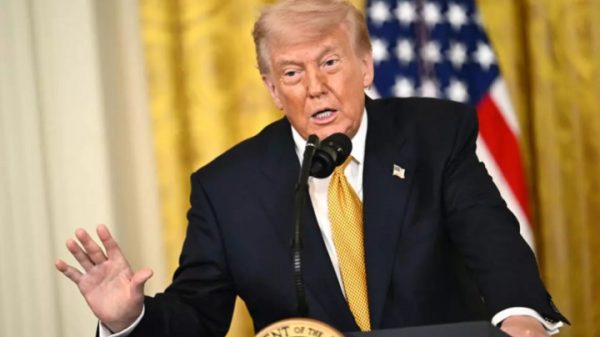
After both sides launched attacks on Wednesday, US President Donald Trump declared that the ceasefire with Iran was effectively over, although he signalled that talks were still possible and suggested any further military response would be swift.
The US military said its latest operation targeted Iran’s capacity to threaten freedom of navigation through the strait, pointing to recent attacks on commercial vessels in the area. According to US Central Command, about 90 military targets were struck, including missile and drone storage facilities as well as logistics sites along Iran’s coastline.
Iranian state media reported that one of the US strikes hit the outskirts of Ahvaz in the southwest of the country, killing three people and leaving several others injured. The report, citing an official, said the casualties were recorded after the latest round of attacks.
Iran responded quickly. The Revolutionary Guards said they had struck key infrastructure and facilities linked to US bases at Arifjan and Ali Al Salem in Kuwait, as well as Juffair and Sheikh Isa in Bahrain. Iranian state television later reported that the country’s military had also launched one way attack drones at targets in Kuwait, Bahrain and Qatar as part of its wider operation against US positions in the Gulf.
Explosions were heard in Bahrain’s capital, Manama, according to an AFP journalist, while Kuwait said it had intercepted what it described as hostile missile and drone attacks.
Elsewhere in Iran, official media reported more US strikes, including one on a railway bridge in the country’s northeast. IRNA also reported an attack on a military base in Bushehr, the coastal province that hosts Iran’s only civilian nuclear power plant. Earlier in the day, warplanes were heard over Kish Island, while explosions were reported in Bandar Abbas, Konarak and Chabahar, with parts of Chabahar left without electricity.
Trump, reacting to the developments on Wednesday, said the US action was retaliation for Iran’s attack on ships a day earlier. In a post on Truth Social, he warned that if such attacks happened again, the consequences would be far more severe.
Later, while speaking to reporters aboard Air Force One, the US president said the Iranian side had made contact and was eager to reach an agreement. He did not say who called or provide details of the conversation, but he questioned the value of any potential deal and described the Iranians as “sort of crazy.”
Iran, however, kept up its hard line on the Strait of Hormuz. The country’s chief negotiator, Mohammad Bagher Ghalibaf, said on Thursday that the waterway would only remain open under arrangements set by Tehran. In a post on X, he accused Washington of continuing a pattern of intimidation and broken promises, warning that any strike on Iran would be met with a response.
Since the conflict began, Tehran has insisted that it has the right to control the strait, introducing the idea of charging fees for passage and threatening to target vessels that fail to follow its designated route. Iranian forces are believed to have struck at least three ships in recent days, a move that helped trigger the large scale US response earlier this week.
Thursday’s violence came just hours before the burial of Iran’s late supreme leader, Ali Khamenei, who was killed at the start of the war on February 28.
As tensions rose, calls for restraint grew louder. United Nations Secretary General Antonio Guterres urged all sides to show maximum restraint, while Pakistan, which has played a key role in efforts to mediate between Washington and Tehran, made a similar appeal.
Iran also said Foreign Minister Abbas Araghchi held a phone conversation on Wednesday with Qatar’s prime minister, with both sides stressing the importance of diplomacy in resolving regional tensions.
Both Tehran and Washington have said they hit dozens of targets during the initial wave of attacks earlier in the week. Iranian state television said eight Iranian military personnel were killed in those first strikes. CENTCOM said US forces attacked more than 80 targets on Tuesday, while the Revolutionary Guards claimed they had struck dozens of American military facilities in Kuwait and Bahrain.
The crisis has also added to growing fears over maritime safety in the Gulf. Oman, which lies opposite Iran across the Strait of Hormuz, condemned the attacks on ships but stopped short of directly blaming Tehran. Muscat has tried to preserve its neutrality throughout the conflict, even as its role has become more delicate amid talks over how the strait should be managed.
The dispute has also complicated shipping routes. While Washington wants unrestricted passage for commercial vessels, Iran has pushed for a system of fees and has refused to allow ships to divert through Omani waters. The three vessels attacked in recent days were all sailing close to Oman, which had previously introduced a temporary transit corridor along its coastline.
Although maritime traffic had started to recover after Washington and Tehran reached a deal to halt hostilities last month, the renewed violence has once again raised alarm. According to International Maritime Organisation chief Arsenio Dominguez, nearly 6,000 seafarers remain stranded in the area.