




























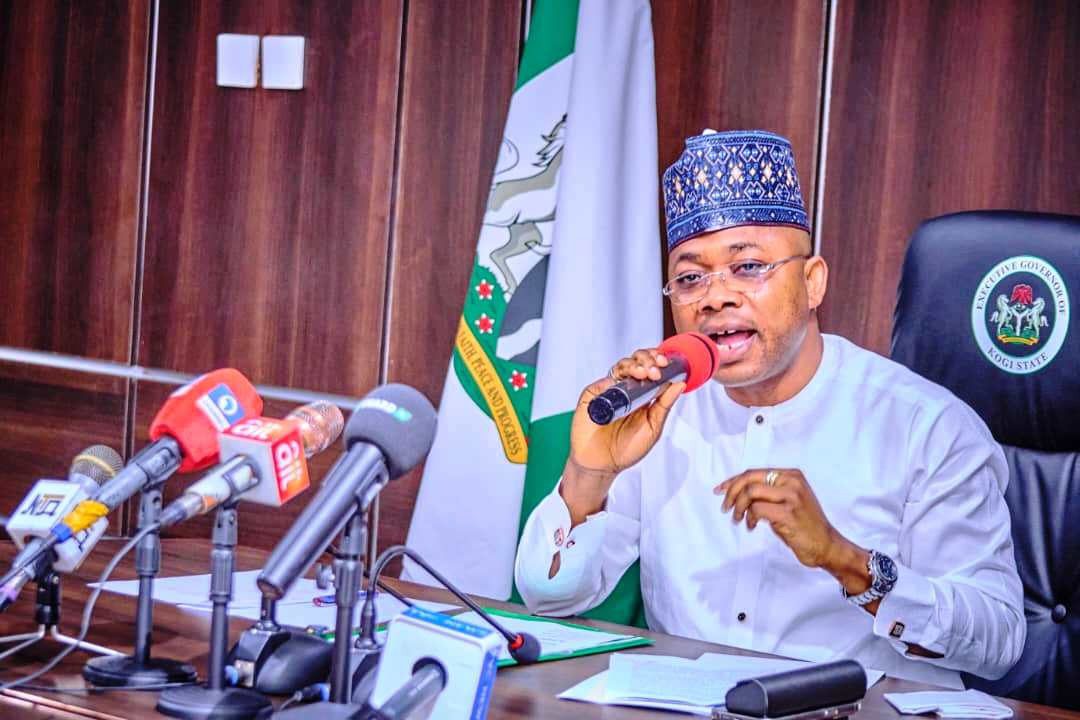
There is hardly a clearer sign of weak governance than the urge to package performance through propaganda when the reality on the ground tells a different story. The article titled “False Narrative: Governor Has Done Nothing in Kogi East? The Facts Tell a Different Story” reads less like a convincing defence of Governor Ahmed Usman Ododo’s record and more like an effort to mask public disappointment with carefully arranged talking points.
A government that is confident in what it has achieved does not need to hide behind recycled project lists, sweeping claims or faceless defenders. It simply points to completed projects and allows the people to speak from lived experience. In Kogi East, however, the loudest response is not coming from official statements but from residents who still struggle with bad roads, neglected communities and the absence of visible progress in many places where development is being loudly advertised.
The problem is not the length of the project list being circulated. It is the gap between what is being claimed and what people can actually see. Naming roads, citing rehabilitation works and announcing construction plans may sound impressive on paper, but governance is not measured by press releases. Budgets are not roads. Announcements are not development. A project only becomes meaningful when citizens can see it, use it and feel its impact in their daily lives.
The often mentioned Efekpe–Ogolale Road is one example that keeps coming up in these conversations. For residents who pass through that route regularly, the glowing picture being painted does not match their experience. If the government believes the road stands as proof of progress, then it should do more than issue statements. It should provide clear evidence, project timelines, completion details and open the site to public scrutiny. Development should never exist only in political messaging.
That same pattern appears to run through much of the defence being offered on behalf of the administration. Roads are named, communities are referenced and projects are announced, yet the public is still left searching for clear, verifiable outcomes. Governance is not judged from the comfort of government offices in Lokoja. It is judged in the villages, towns and communities where people either feel the impact of public spending or continue to live without it.
What is even more troubling is the attempt to frame public dissatisfaction as mere politics. Citizens have every right to question the pace, quality and visibility of development in their communities. Asking where public projects are, or why promised works remain unseen, is not political mischief. It is part of democratic accountability. Those in power were elected to answer difficult questions, not to brush them aside with polished narratives.
Kogi East is not asking for favours. It is asking for fairness. It is asking that a senatorial district with enormous political weight and electoral value should not be left behind when it comes to development and infrastructure. That demand is not sectional or unreasonable. It is rooted in the basic expectation that public resources should be used in a way that reflects equity and justice.
At this stage of the administration, the conversation should no longer be about projects that exist only in speeches or official documents. It should be about measurable progress in the lives of ordinary people. Which major roads have truly been transformed? What strategic infrastructure has changed the economic outlook of Kogi East? What visible investments can communities point to as proof that government has kept faith with them? These are the questions that matter, and they remain difficult to answer because publicity cannot take the place of performance.
In many ways, the repeated attempt to defend the administration with publicity material only deepens the concern. A government that is genuinely proud of its record would welcome scrutiny and allow its achievements to stand on their own. When the focus shifts too heavily to managing perception, it raises the suspicion that image making is beginning to replace governance itself.
Governor Ahmed Usman Ododo still has time to change the narrative, but that will not happen through propaganda. It will only happen through visible, measurable work that people can point to without needing persuasion. The remainder of his tenure should be spent addressing the real concerns of the people rather than investing energy in public relations efforts aimed at convincing citizens that they have seen progress they do not recognise in their daily lives.
History has never been particularly generous to governments that confuse publicity with performance. Roads are not built with headlines, hospitals are not delivered through rhetoric and communities are not transformed by opinion pieces.
In the end, the people of Kogi East will not judge this administration by the claims of anonymous defenders or the polish of newspaper essays. They will judge it by the roads they travel, the services they receive and the realities they face every day in their homes and communities. On that score, perception can only go so far. Reality always has the final word.
Governor Ahmed Usman Ododo may still have his supporters, but if the administration continues to lean on propaganda instead of visible delivery, it risks meeting a far harsher verdict from the electorate than any public critic could ever write.
Otini Ajaina is the immediate past President of Oma Ataina Descendants Union.