























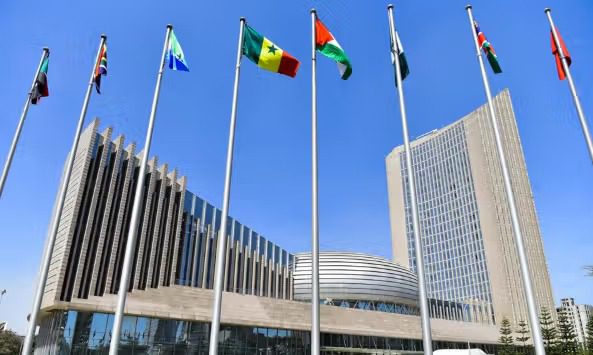
The rise of global business summits focused on Africa marks a significant shift in how the international community engages with the continent. As Africa cements its status as a vital frontier for trade, innovation, and long-term investment, these gatherings have transformed into essential venues for fostering economic cooperation. With a demographic landscape that includes the world’s youngest workforce and a population set to skyrocket by 2050, the continent has naturally become a focal point for policymakers, multinational corporations, and visionary entrepreneurs.
These events—ranging from high-level trade expos to innovation-driven conferences—do much more than facilitate networking. They serve as strategic instruments designed to bridge the gap between policy and practice, driving regional integration while positioning Africa as a formidable participant in the global economy. By bringing diverse stakeholders together in major cities across the globe, these summits turn abstract investment goals into concrete discussions about the future of African markets.
The calendar for these engagements remains packed throughout the year. For instance, the France-Africa Summit, often called the Africa Future Forward gathering, recently made headlines by hosting its sessions in Nairobi, Kenya, marking the first time the event was held in an Anglophone nation. This was closely followed by the Biashara Afrika sessions in Lome, Togo, and the London-Africa Business Summit. The latter brought together diaspora professionals and institutional investors to talk shop on tech investments and the unification of capital markets. Looking ahead, events like the Global Africa Summit in Toronto are designed to map out Canada’s specific strategy for trade, infrastructure, and green energy, while the U.S.-Africa Business Summit in Mauritius continues to serve as a cornerstone for government-private sector dialogue. Other recurring fixtures, such as the Africa CEO Forum and the Transform Africa Summit, continue to draw elite crowds focused on digital transformation and infrastructure development.
At the heart of these discussions is the pressing need for economic diversification. African nations are increasingly looking beyond traditional sectors like mining and crude oil to sharpen their competitive edge in manufacturing, healthcare, and digital services. For host countries, these summits are golden opportunities to broadcast policy reforms that entice foreign direct investment. Meanwhile, investors use these forums to navigate complex regulatory landscapes and discover sector-specific opportunities that might otherwise remain overlooked.
Central to this narrative is the African Continental Free Trade Area. Regardless of whether a summit is taking place in New York, Dubai, or Beijing, the agreement should serve as the economic anchor for all deliberations. It is not just a trade pact; it represents Africa’s comprehensive roadmap for industrialization and the creation of a massive, unified market of over 1.4 billion people. If African leaders approach these global stages with a single, coherent voice—prioritizing regional value chains over fragmented national economies—the continent’s bargaining power will grow exponentially. The goal for its readers is to see these summits shift away from a reliance on aid or raw commodity exports and move toward partnerships that prioritize genuine value addition and skills development.
The tangible benefits of these events extend far beyond the boardroom. They are proven engines for job creation and capacity building, offering startups and small businesses rare access to mentorship and global capital. Furthermore, the hosting of such high-profile summits injects life into local service economies, from hospitality to logistics, while elevating the international reputation of host cities. When delegates leave, they often take with them not just signed contracts, but a deeper understanding of market trends that can help build more resilient local enterprises.
Ultimately, these summits mirror the broader, intensifying interest in the continent—often described by analysts as a modern strategic competition. While the landscape is no longer one of territorial control, there is a clear race among global powers to secure partnerships in energy, digital infrastructure, and trade. With Africa holding significant portions of the world’s critical mineral reserves—essential for everything from electric vehicles to advanced tech—the continent has moved from a passive observer to a dynamic actor. The challenge for African nations now is to harness this momentum, ensuring that the surge of international interest results in sustainable growth that empowers its citizens and defines its own trajectory on the global stage.